Acting
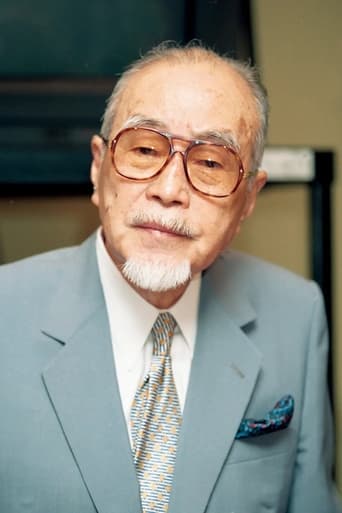
Hisaya Morishige
Born May 4, 1913 · Hirakata, Osaka Prefecture, Japan
Died November 10, 2009 · aged 96
Hisaya Morishige (森繁久彌, Morishige Hisaya, May 4, 1913 – November 10, 2009) was a Japanese actor and comedian. Born in Hirakata, Osaka, he graduated from Kitano Middle School (now Kitano High School), and attended Waseda University. He began his career as a stage actor, then became an announcer for NHK, working in Manchukuo. He became famous in films first for comedy roles, appearing in series such…
Known For
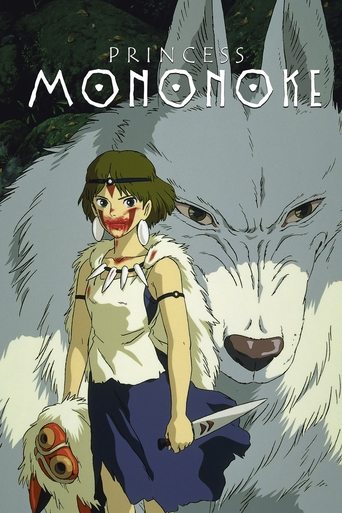 Princess Mononoke · 1997
Princess Mononoke
★ 8.31997
MovieAdventureFantasy
Ashitaka, a prince of the disappearing Emishi people, is cursed by a demonized boar god and must journey to the west to find a cure. Along the way, he encounters San, a young human woman fighting to protect the forest, and Lady Eboshi, who is trying to destroy it. Ashitaka must find a way to bring balance to this conflict.
 The End of Summer · 1961
The End of Summer
★ 7.51961
MovieDrama
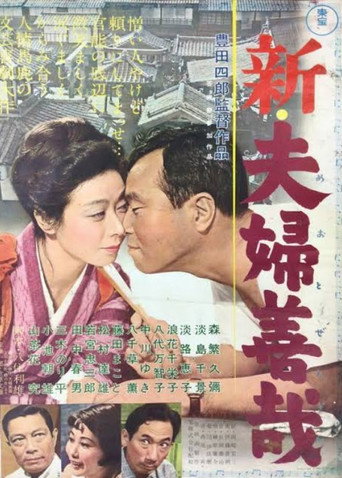
The family of an older man who runs a small sake brewery become concerned with his finances and his health after they discover him visiting an old mistress from his youth.
 Doraemon: Nobita and the Winged Braves · 2001
Doraemon: Nobita and the Winged Braves
★ 7.12001
MovieFamilyAnimation
Doraemon and his friends have to rescue the people of Birdopia from the wrongdoing of vengeful former bird troopers before they unleash a wicked ancient dragon.
 Ikinokotta benten-sama · 1952
Ikinokotta benten-sama
1952
MovieComedy
As the show begins, the stage starts to rotate, and popular stars are murdered one after another—is it a random killing spree or a premeditated crime? A unique thriller that will have you laughing and shivering at the same time.
 Chûshingura · 1962
Chûshingura
★ 7.11962
MovieHistoryDrama
After their lord is tricked into committing ritual suicide, forty-seven samurai warriors await the chance to avenge their master and reclaim their honor.
 The Longest Tunnel · 1982
The Longest Tunnel
★ 10.01982
MovieDrama
After a passenger ship sinks in 1954, Go Akutsu devises a life-saving project in the form of a tunnel under the Tsugaru Strait. While working on this project Akutsu becomes involved with Tae Makimura leading to his estrangement from his wife.
 The Tale of the White Serpent · 1958
The Tale of the White Serpent
★ 6.21958
MovieAnimationFantasy
As a young boy, Xu-Xian is forced to free his pet, a small snake. Unbeknownst to him, the snake is actually a young snake goddess named Bai-Niang and she is in love with him. Many years later, when they are both adults, the princess is magically transformed into a human and sets out to find her love. But the local wizard believes her to be a vampire, and banishes Xu-Xian from the village in order to save him. Xu-Xian's pet pandas Panda and Mimi set out to save him and bring him, in the process becoming leaders of an animal gang.
 47 Ronin · 1994
47 Ronin
★ 7.41994
MovieActionDrama
Kon Ichikawa's retelling of the classic true story of Samurai honor. When a young clan lord is forced to commit seppuku (ritual suicide), his loyal followers (now Ronin, masterless Samurai) dedicate their lives to avenging his death.
Filmography
Sort
The Tale of the White Serpent · 1958The Tale of the White Serpent
★ 6.21958
MovieAnimationFantasy
As a young boy, Xu-Xian is forced to free his pet, a small snake. Unbeknownst to him, the snake is actually a young snake goddess named Bai-Niang and she is in love with him. Many years later, when they are both adults, the princess is magically transformed into a human and sets out to find her love. But the local wizard believes her to be a vampire, and banishes Xu-Xian from the village in order to save him. Xu-Xian's pet pandas Panda and Mimi set out to save him and bring him, in the process becoming leaders of an animal gang.
Xu-Xian / Fa-Hai / Panda / Dragon King / Catfish King / Narrator (voice)


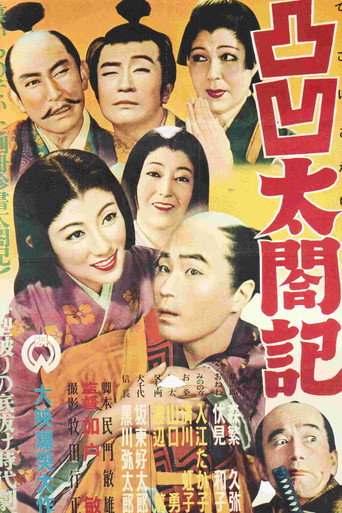



 Genroku Taiheiki · 1975
Genroku Taiheiki
1975
SeriesDrama
Mitsukuni Tokugawa