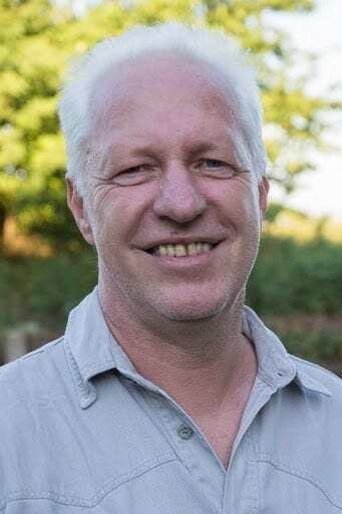
Herbert Ostwald

Directing

Herbert Ostwald

Born January 1, 1960 · Berlin, Germany (age 66)

Herbert Ostwald (born 1960 in Berlin) is a German filmmaker who has been working in media since 1987. Over the years he has been involved in radio, print news, TV and film. His credits include Adventure Earth: Really Wild?, A Tooth for a Tooth, Hare Tales, The Tree of the Trees and Mount Kenya––The Heart of Africa, to name a few, for which he has won numerous awards.

Known For

The Real Guinea PigThe Real Guinea Pig · 2015
The Real Guinea Pig
2015
MovieDocumentary
The story of this amazingly social and cunning creature ranges from the altars of ancient rituals to the bedrooms of countless kids, and from its status as the sacred animal of the Inca to research model for human society. This upbeat and humorous documentary portrays the Guinea pigs as pets and wild animals who are at home especially in the Andes and other regions of South America.
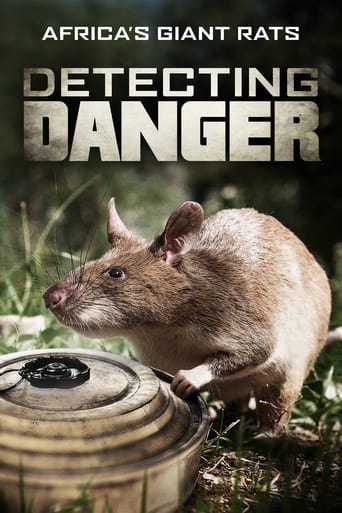
Detecting Danger: Africa's Giant RatsDetecting Danger: Africa's Giant Rats · 2019
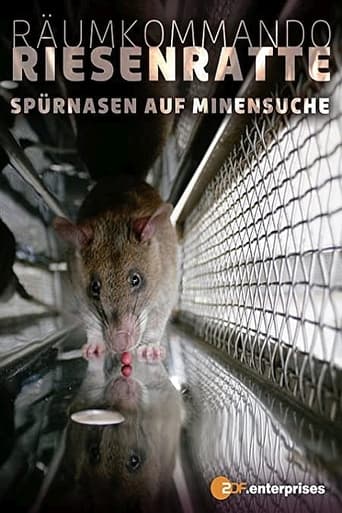
Detecting Danger: Africa's Giant Rats
2019
MovieDocumentary
Africa's giant rats – the size of a cat – can be trained to detect land-mines by smelling them. Giant rats are clever and they learn fast. Their sense of smell is better than a dog's, they have more stamina, and they're a lot cheaper to train. This documentary follows "Miss Marple", who was born in a training lab and who goes through a year's training before being sent on her first mission to Mozambique. A shorter version (43 minutes) screened at festivals in 2009 but was never widely released.
Räumkommando Riesenratte - Spürnasen auf MinensucheRäumkommando Riesenratte - Spürnasen auf Minensuche · 2008
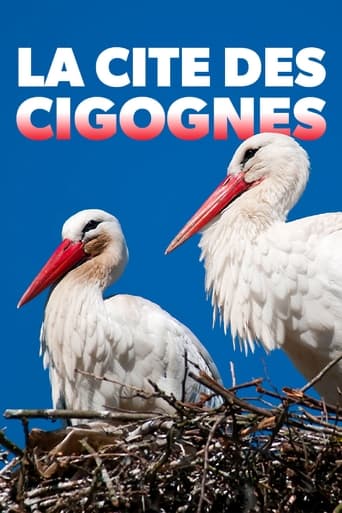
Räumkommando Riesenratte - Spürnasen auf Minensuche
★ 6.02008
MovieDocumentary
Africa's giant rats, which are the size of a cat, can be trained to detect landmines by smell. Giant rats are smart and they learn quickly. Their sense of smell is better than that of a dog. They have more stamina, and they are much cheaper to train.
Klappern gehört zum Geschäft: Europas größtes StorchendorfKlappern gehört zum Geschäft: Europas größtes Storchendorf
Klappern gehört zum Geschäft: Europas größtes Storchendorf
MovieDocumentary
Ein Mammut-Projekt – Wiedergeburt ausgestorbener ArtenEin Mammut-Projekt – Wiedergeburt ausgestorbener Arten · 2024
Ein Mammut-Projekt – Wiedergeburt ausgestorbener Arten
★ 8.02024
MovieDocumentaryTV Movie
Since the disappearance of the last male northern white rhino in 2018, only a mother and daughter remain as representatives of the species in a Kenyan reserve. Mammoths, which became extinct 4,000 years ago, are attracting the interest of the private American laboratory Colossal Biosciences. Its researchers are working to produce ex vivo (with artificial wombs) embryos from cells harvested from mammoths, liberated from the thawed soils of Siberia, and from Asian elephant oocytes, 99.6% of whose genome matches that of the ancient mastodon. They hope to have their first baby mammoth by 2028.
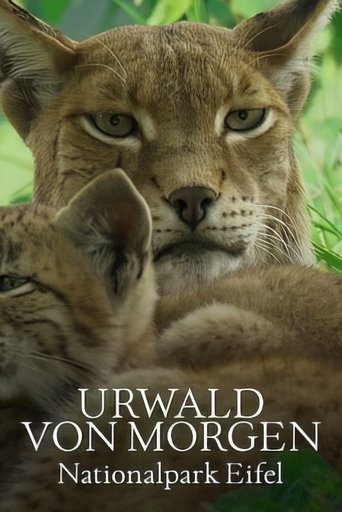
Urwald von morgen – Nationalpark EifelUrwald von morgen – Nationalpark Eifel · 2023
Urwald von morgen – Nationalpark Eifel
2023
MovieDocumentary
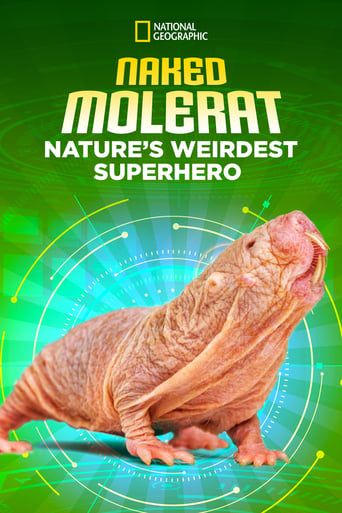
Naked Molerat: Nature’s Weirdest SuperheroNaked Molerat: Nature’s Weirdest Superhero · 2018
Naked Molerat: Nature’s Weirdest Superhero
★ 10.02018
MovieDocumentary
A fascinating in-depth look at the tiny, furless African mammals who have a busy social life that remarkably resembles insect interactions.
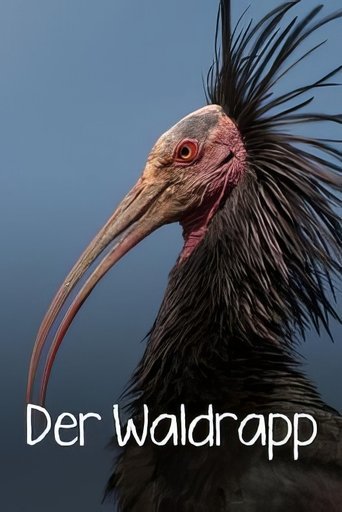
Der Waldrapp: Zugvogel im AufwindDer Waldrapp: Zugvogel im Aufwind · 2023
Der Waldrapp: Zugvogel im Aufwind
★ 9.02023
MovieDocumentary

Filmography

Sort
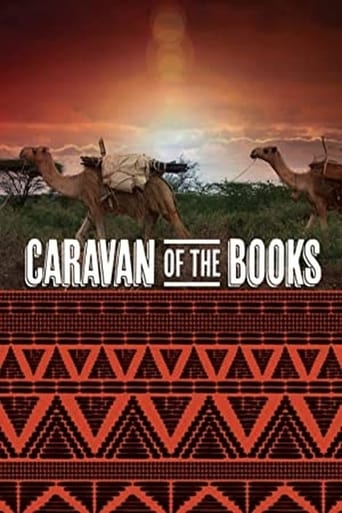
Caravan of the Books: Kenya's Mobile Camel LibraryCaravan of the Books: Kenya's Mobile Camel Library
Caravan of the Books: Kenya's Mobile Camel Library
★ 6.5
MovieDocumentary
A library on four legs, the world's only existing Camel Library is located in Northern Kenya. As they pass antelopes and giraffes, the heavily loadedcaravan of camels are routinely carrying books through the rough savannah.In the villages with their houses of mud and dung these tenacious desert ships are wishfully awaited by the people of the nomadic Muslim tribes. Under the shade of acacia trees, especially the children are excitedly turning pages of school books, novels and comics. However, 400 kilometers outside of the capital city of Nairobi the local librarians are still struggling with illiteracy, old traditions, insufficient funds, blistering sun and - stubborn camels... This is the story about the Camel Library, about inquisitive children, about the origins of a book and about a camel and an exceptional librarian in the heart of Africa within the UNESCO-world decade of alphabetization.

Director