M
Directing
Malic Amalya
Experimental filmmaker.
Known For
 Leather Graves · 2025
Leather Graves
2025
Movie
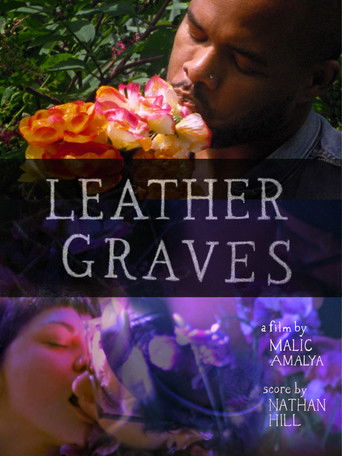
"Leather Graves" is an experimental 16mm film that explores the permeable boundaries between queer exile and queer utopia. Cruising amongst gravestones engraved with references to queer culture and sexuality, queers defy death by devouring candy-coated blossoms. The queer epitaphs in "Leather Graves" were created with an in-camera double exposure technique using a Bolex camera and a matte-box. The cast and crew are all trans, nonbinary, gender nonconforming, and/or femme queer people.
 RUN! · 2019
RUN!
2019
MovieDocumentary
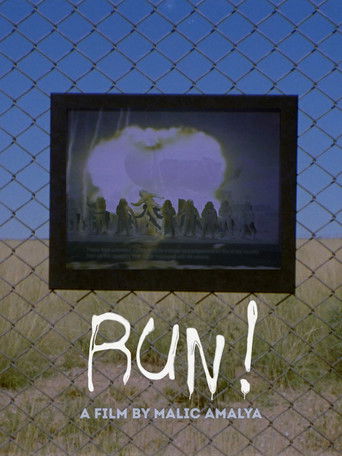
Shot at sites of nuclear development, detonation, industry, tourism, and activism, "RUN!" examines the ways that ideologies of war structure landscapes, community rituals, cinematic technology, entomology, pandemic management, and even notions of LGBTQ liberation.
 Gossamer Walls · 2007
Gossamer Walls
2007
Movie
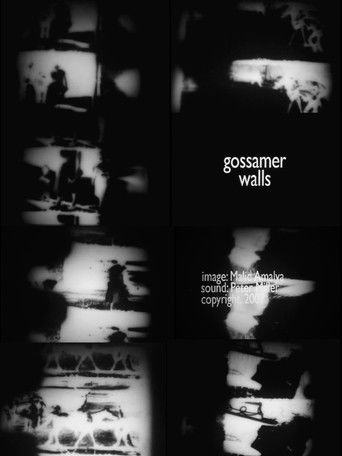
Through the process of contact printing, hand processing, and low-fi optical printing, Gossamer Walls remembers, mis-remembers, and reinterprets a previous generation’s super 8 home movies.
 Song for Rent, After Jack Smith · 2018
Song for Rent, After Jack Smith
2018
Movie
A remake of Jack Smith's 1969 film, Song for Rent.
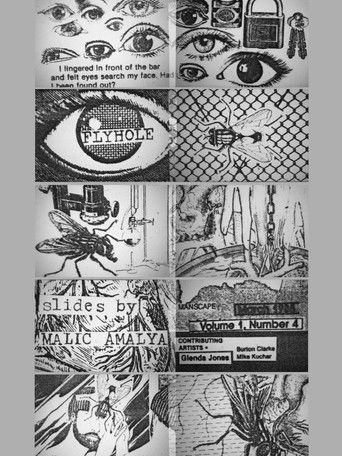 Flyhole · 2018
Flyhole
2018
MovieAnimation
Using appropriated text and images, the story of a housefly who transitions into a man in order to cruise a gay bar.
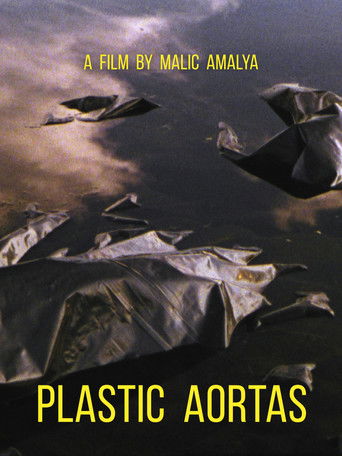 Plastic Aortas · 2024
Plastic Aortas
2024
Movie
Plastic Aortas is a portrait of the black plastic encasing the Fells Reservoir in the unceded land of the Massachusett, Pawtucket, and Naumkeag indigenous peoples. The lining was placed there by conservationists in order to mitigate the invasive Common Reed, which is killing native plants. However, the lining also interferes with wildlife and contaminates the water. The film’s title references Roland Barthes' 1957 essay, "Plastic," in which he writes, “The hierarchy of substances is abolished: a single one replaces them all: the whole world can be plasticized, and even life itself since, we are told, they are beginning to make plastic aortas.” 65 years after Barthes’ essay was published, in 2022, microplastics were found in human blood and, in 2023, in human heart tissue. In this 16mm film, tension rises between the benefits and hazards of plastic or, as Barthes describes, between plastic and “life itself.”
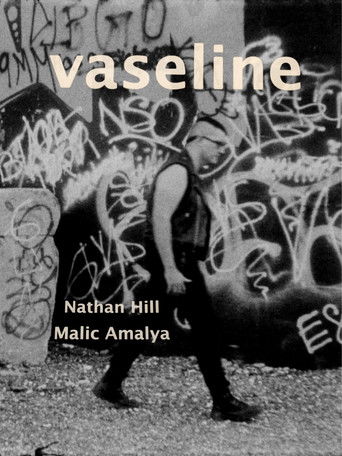 Vaseline · 2016
Vaseline
2016
Movie
Caught in a system of confinement, surveillance, and restriction, a leather outlaw eludes the state by recalling his lover bathed in Vaseline.
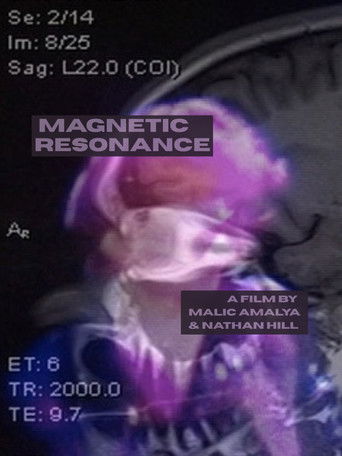 Magnetic Resonance · 2016
Magnetic Resonance
2016
Movie
In psychoanalytic theory, a dream of a fallen tooth represents fears of castration. In Magnetic Resonance, a cicada falls to its death and New Wave musician Marc Almond falls to the feet of Clint Ruin; a tooth stands in for a brain tumor and the naked legs of the filmmakers on a sheet-less mattress stand in for Almond and Ruin’s performance on stage. "Castrated" bodies become conduits of attraction.
Filmography
Sort