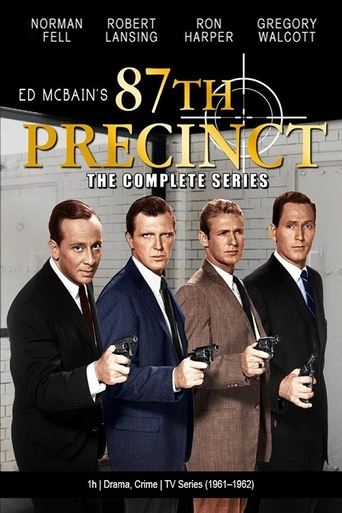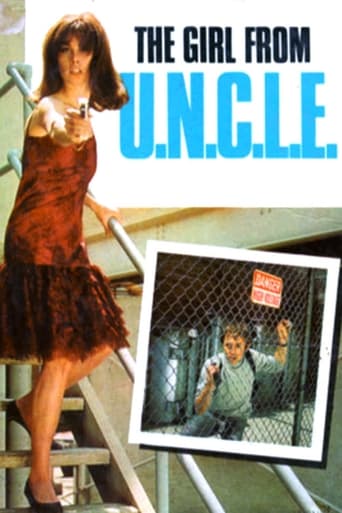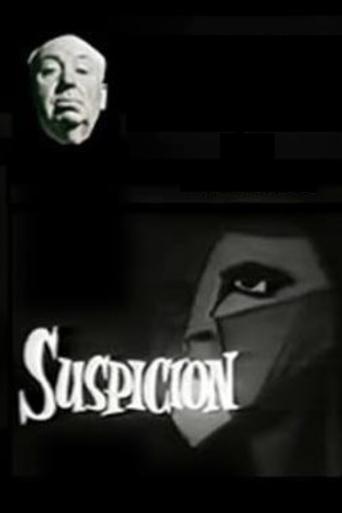
Directing
John Brahm
Born August 17, 1893 · Hamburg, Germany
Died October 12, 1982 · aged 89
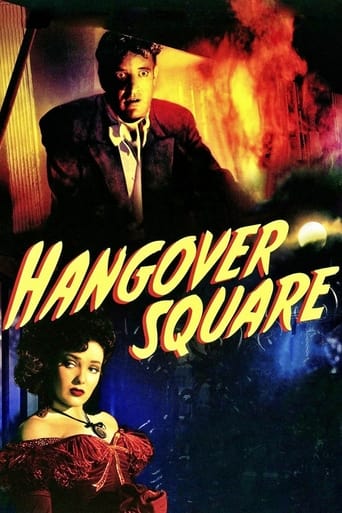
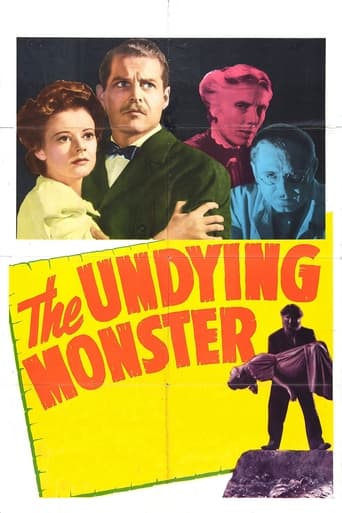
From Wikipedia, the free encyclopedia John Brahm (August 17, 1893 – October 12, 1982) was a film and television director. His films include The Undying Monster (1942), The Lodger (1944), Hangover Square (1945), The Locket (1946), The Brasher Doubloon (1947), and the 3D horror film The Mad Magician (1954).
Known For
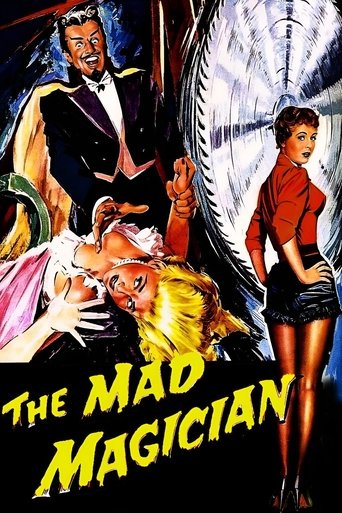 The Mad Magician · 1954
The Mad Magician
★ 6.91954
MovieThrillerCrime
Don Gallico is an inventor of stage magic effects who aspires to become a star in his own right. Just before his first performance his act is shut down by capricious manager Ross Ormond who wants Gallico's brilliant buzz saw effect for the act of The Great Rinaldi, an established star. With this defeat, and the humiliation of having already lost his wife Claire to Ormond, Gallico decides it is time to take matters into his own hands.
 The Locket · 1946
The Locket
★ 6.31946
MovieDramaCrime
A dark personal secret drives a young woman to use every man she encounters.
 The Lodger · 1944
The Lodger
★ 6.51944
MovieThrillerMystery
In Victorian era London, the inhabitants of a family home with rented rooms upstairs fear the new lodger is Jack the Ripper.
 The Twilight Zone: A 60th Anniversary Celebration · 2019
The Twilight Zone: A 60th Anniversary Celebration
★ 10.02019
MovieDocumentaryScience Fiction
Six episodes of the original series, restored and on the big screen for the first time, and a special retrospective documentary encompass this Fathom Event.
 Guest in the House · 1944
Guest in the House
★ 4.91944
MovieDramaThriller
Evelyn, an emotionally vulnerable and unstable woman, stays at the home of her doctor Dan Proctor. There she meets and falls in love with his brother, Douglas, who is happily married to Ann. Evelyn then sets forth to break up the happy marriage and win the love of Douglas.
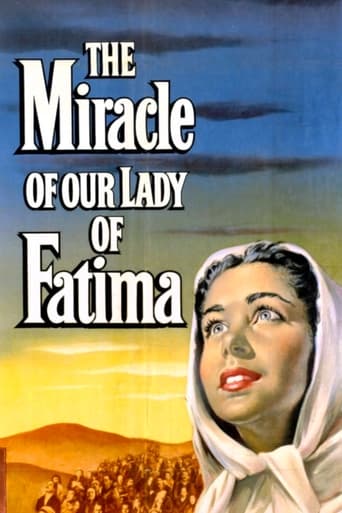 The Miracle of Our Lady of Fatima · 1952
The Miracle of Our Lady of Fatima
★ 5.91952
MovieDrama
In 1917, three shepherd children living just outside Fatima, Portugal have visions of a lovely lady in a cloud. The anticlerical government wishes to squelch the Church; reports of religious experiences are cause for serious concern. Yet the children stand by their story, and the message of peace and hope the Lady brings. In the last vision, attended by thousands of people, the Lady proves her reality with a spectacular miracle that is seen by everyone present. Based on actual events at Fatima in the summer of 1917.
 Girls' School · 1938
Girls' School
★ 6.41938
MovieComedy
At an exclusive boarding school for adolescent girls, the lives of two very different students intertwine when introverted class monitor Natalie Freeman learns of the more popular Linda Simpson's secret boyfriend.
 Rio · 1939
Rio
★ 5.41939
MovieCrimeRomance
Diabolical French capitalist Paul Reynard is forced to leave Irene, his bride of one year, when he is arrested for the crimes of forgery and embezzlement and sentenced to a penal colony off the coast of South America.