Acting
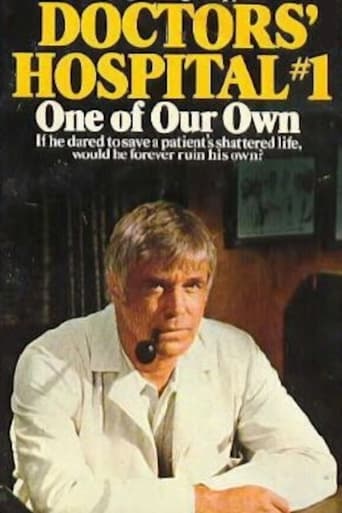
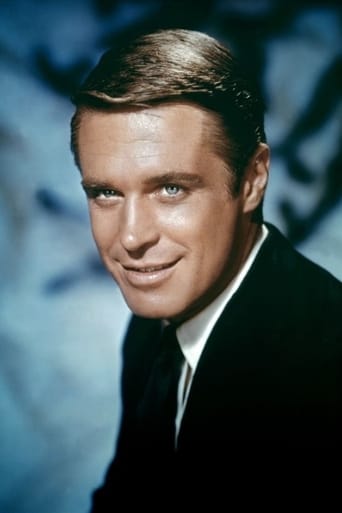
George Peppard
Born October 1, 1928 · Detroit, Michigan, USA
Died May 8, 1994 · aged 65
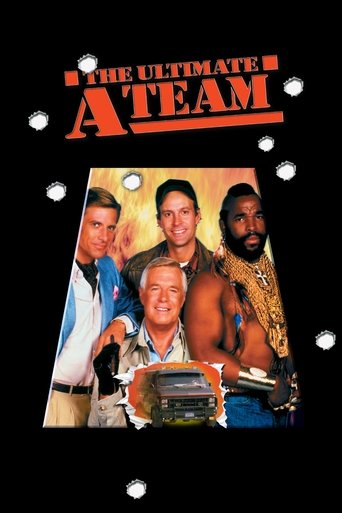
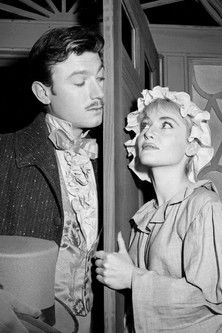
George Peppard (October 1, 1928 – May 8, 1994) was an American actor. He is best remembered for his role as struggling writer Paul Varjak in the 1961 film Breakfast at Tiffany's, and for playing commando leader Col. John "Hannibal" Smith in the 1980s television series The A-Team. Peppard secured a major role when he starred alongside Audrey Hepburn in Breakfast at Tiffany's (1961), and later port…
Known For
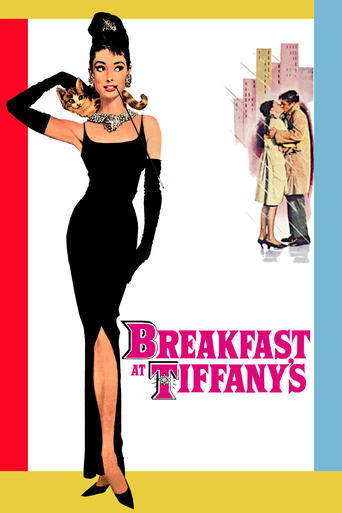 Breakfast at Tiffany's · 1961
Breakfast at Tiffany's
★ 7.61961
MovieComedyRomance
Holly Golightly is an eccentric New York City playgirl determined to marry a Brazilian millionaire. But when young writer Paul Varjak moves into her apartment building, her past threatens to get in their way.
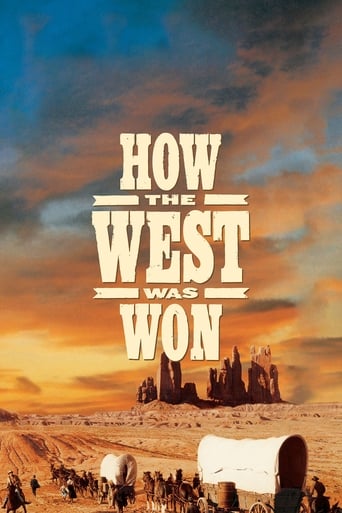 How the West Was Won · 1962
How the West Was Won
★ 7.01962
MovieWestern
The epic tale of the development of the American West from the 1830s through the Civil War to the end of the century, as seen through the eyes of one pioneer family.
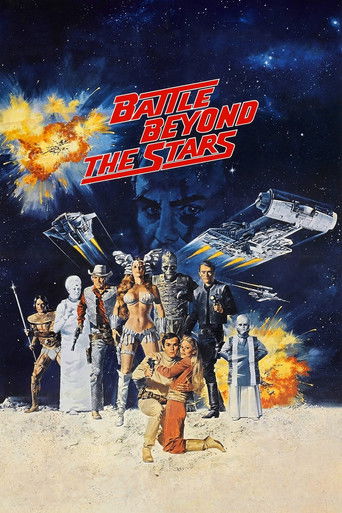 Battle Beyond the Stars · 1980
Battle Beyond the Stars
★ 5.41980
MovieScience FictionAction
A young farmer assembles a band of diverse mercenaries to defend his peaceful planet from an evil tyrant.
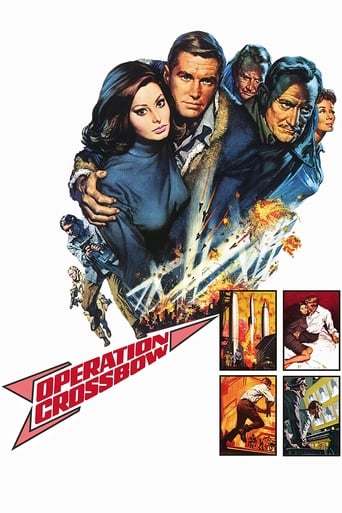 Operation Crossbow · 1965
Operation Crossbow
★ 6.71965
MovieDramaWar
Allied agents infiltrate the Nazi rocket complex at Peenemunde in order to obtain their secrets and sabotage the plant. The film alternates between German developments of the V-1 missile and V-2 rocket (with a German cast speaking their own language) and discovery by British Intelligence of the weapon.
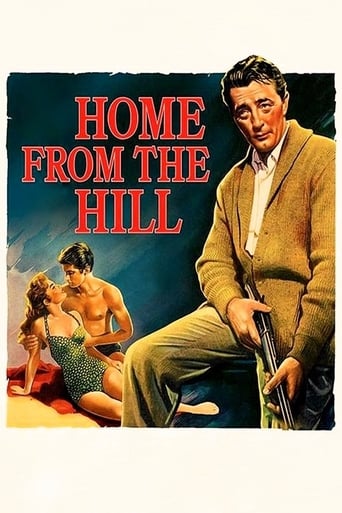 Home from the Hill · 1960
Home from the Hill
★ 6.91960
MovieDramaRomance
The wealthiest man in a Texas town decides to teach his teenage son how to hunt to make a man out of him.
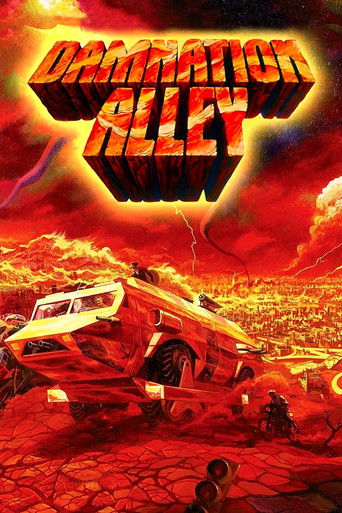 Damnation Alley · 1977
Damnation Alley
★ 5.21977
MovieAdventureScience Fiction
Following World War III, four survivors at a desert military installation attempt to drive across the desolate wasteland of America to Albany, where they hope more survivors are living, using a specially built vehicles to protect themselves against the freakish weather, mutated plant and animal life, and other dangers encountered along the way.
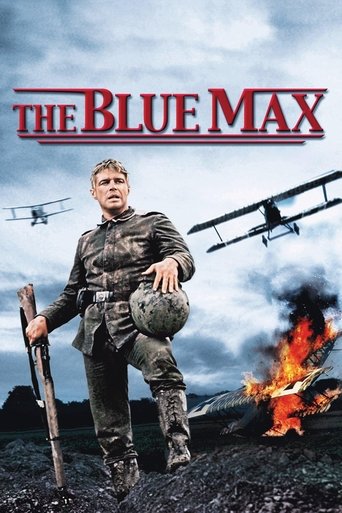 The Blue Max · 1966
The Blue Max
★ 6.81966
MovieWarAction
A young pilot in the German air force of 1918, disliked as lower-class and unchivalrous, tries ambitiously to earn the medal offered for 20 kills.
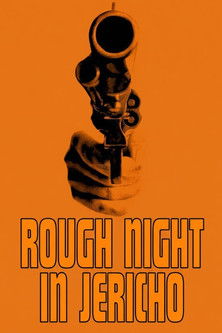 Rough Night in Jericho · 1967
Rough Night in Jericho
★ 6.71967
MovieWestern
The only business in the Wild West town of Jericho that corrupt sheriff Alex Flood doesn't control behind the scenes is the stagecoach owned by tough-willed widow Molly Lang and her right-hand man, Hickman. Former marshal Dolan, recently hired by Lang and Hickman as a driver, wants to stay out of the mess, but when he sees Flood's henchman Yarbrough assault Lang, he steps up to fight the corruption.
Filmography
Sort