Directing
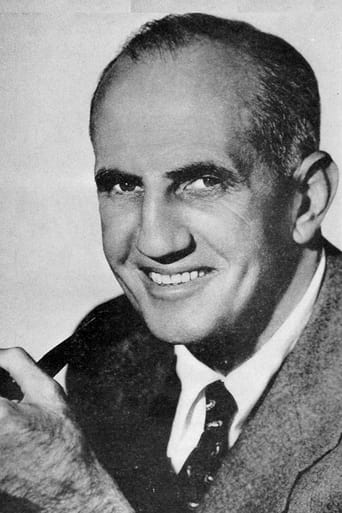
George Marshall
Born December 28, 1891 · Chicago, Illinois, USA
Died February 17, 1975 · aged 83
From Wikipedia, the free encyclopedia. George E. Marshall (December 29, 1891 – February 17, 1975) was a prolific American actor, screenwriter, producer, film and television director, active through the first six decades of movie history. Relatively few of Marshall's films are well-known today, with Destry Rides Again, The Sheepman, and How the West Was Won being the biggest exceptions. Marshall …
Known For
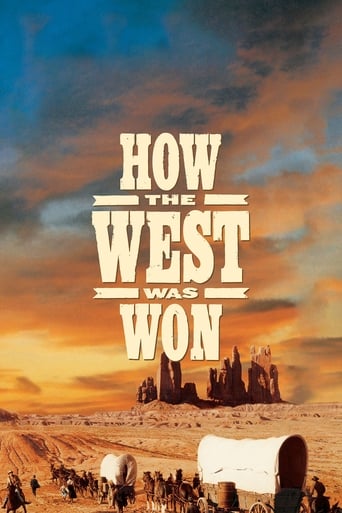 How the West Was Won · 1962
How the West Was Won
★ 7.01962
MovieWestern
The epic tale of the development of the American West from the 1830s through the Civil War to the end of the century, as seen through the eyes of one pioneer family.
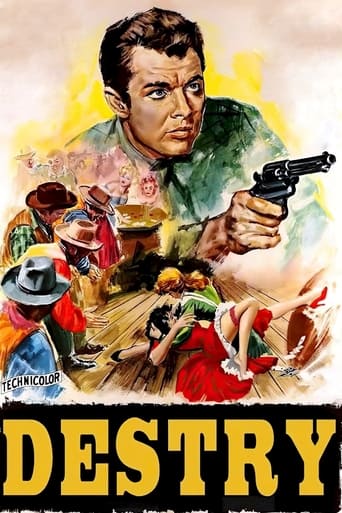
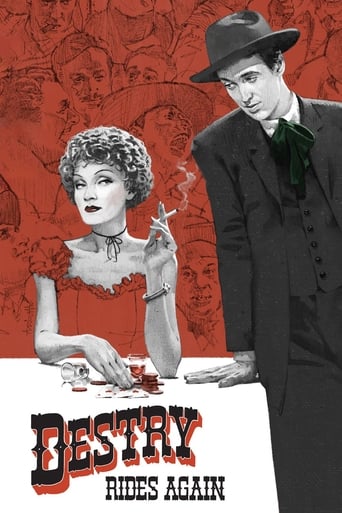 Destry Rides Again · 1939
Destry Rides Again
★ 7.21939
MovieWesternComedy
Tom Destry, son of a legendary frontier peacekeeper, doesn’t believe in gunplay. Thus he becomes the object of widespread ridicule when he rides into the wide-open town of Bottleneck, the personal fiefdom of the crooked Kent.
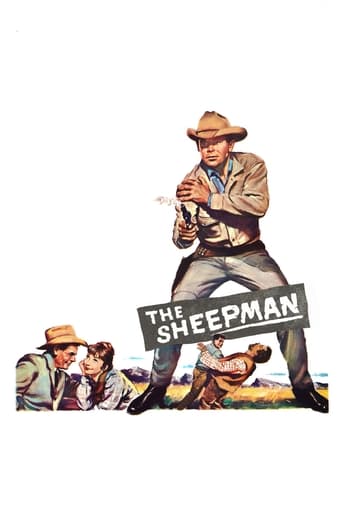 The Sheepman · 1958
The Sheepman
★ 6.91958
MovieWesternComedy
A stranger in a Western cattle-town behaves with remarkable self-assurance, establishing himself as a man to be reckoned with. The reason appears with his stock: a herd of sheep, which he intends to graze on the range. The horrified inhabitants decide to run him out at all costs.
 The Blue Dahlia · 1946
The Blue Dahlia
★ 6.71946
MovieCrimeMystery
Soon after a veteran returns from war, his cheating wife is found dead. He evades police in an attempt to find the real murderer.
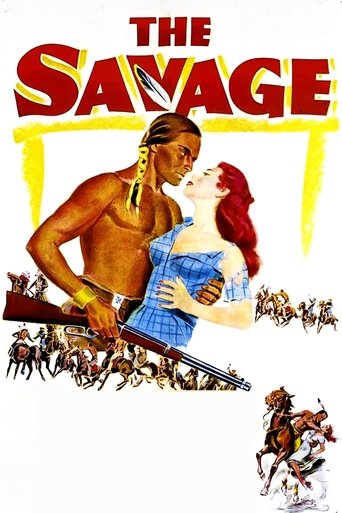 The Savage · 1952
The Savage
★ 6.31952
MovieWesternAction
The only white survivor of a Crow Indian raid on a wagon train is a young boy. He is rescued by the Sioux, and the Sioux chief raises him as an Indian in very way. Years later, the white men and the Sioux threaten to go to war and the Indian-raised white man is torn between his racial loyalties and his adopted tribe.
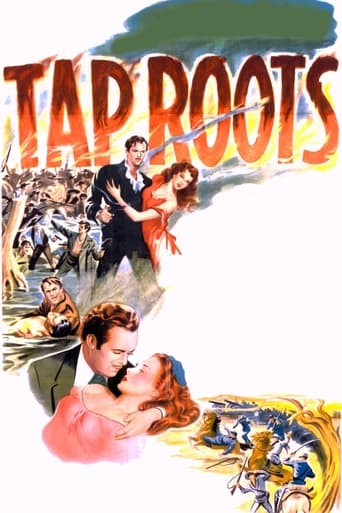 Tap Roots · 1948
Tap Roots
★ 6.91948
MovieDramaWar
Set at the beginning of the Civil War, Tap Roots is all about a county in Mississippi which chooses to secede from the state rather than enter the conflict. The county is protected from the Confederacy by an abolitionist and a Native American gentleman. The abolitionist's daughter is courted by a powerful newspaper publisher when her fiance, a confederate officer, elopes with the girl's sister. The daughter at first resists the publisher's attentions, but turns to him for aid when her ex-fiance plans to capture the seceding county on behalf of the South.
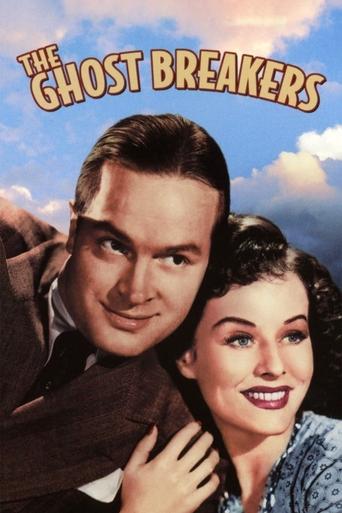 The Ghost Breakers · 1940
The Ghost Breakers
★ 6.51940
MovieComedyHorror
After intrepid working girl Mary Carter becomes the new owner of a reputedly haunted mansion located off the Cuban coast, a stranger phones warning her to stay away from the castle. Undaunted, Mary sets sail for Cuba with a stowaway in her trunk—wise-cracking Larry Lawrence, a radio announcer who helps Mary get to the bottom of the voodoo magic, zombies and ghosts that supposedly curse the spooky estate.
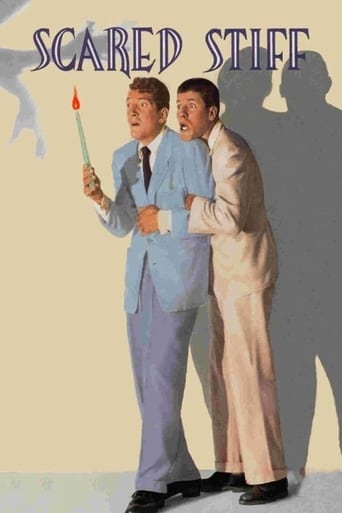 Scared Stiff · 1953
Scared Stiff
★ 6.51953
MovieComedyHorror
A nightclub singer and his partner escape mobsters by fleeing to Cuba with a beautiful heiress, who has inherited a haunted castle on an isolated island. The trio hunt for a hidden treasure and encounter a ghost, a zombie, and a mysterious killer...
Filmography
Sort