Acting
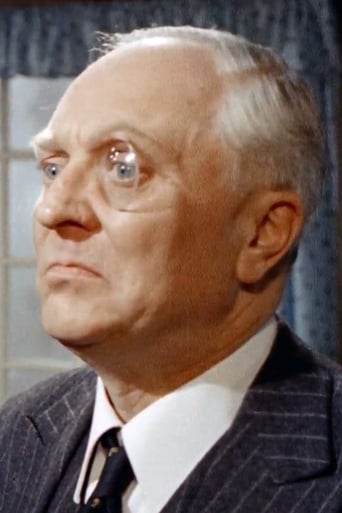
Tilo von Berlepsch
Born December 30, 1913 · Kassel, Germany
Died April 8, 1991 · aged 77
No biography available.
Known For
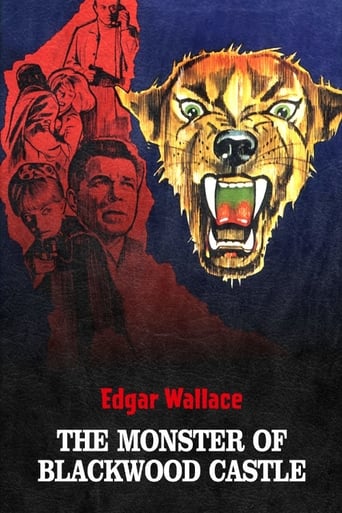 The Horror of Blackwood Castle · 1968
The Horror of Blackwood Castle
★ 6.51968
MovieCrimeHorror
Scotland Yard must discover why people are being murdered by a monstrous dog at Blackwood Castle.
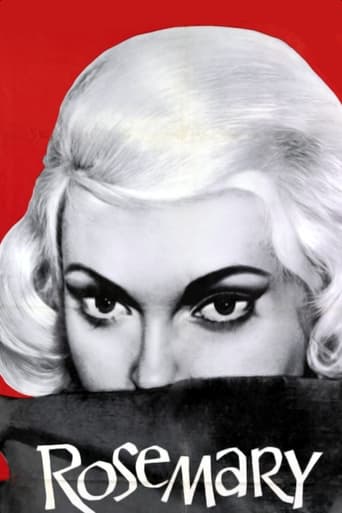 Rosemary · 1958
Rosemary
★ 5.81958
MovieDramaComedy
West Germany in '50s is becoming an economic superpower. In such climate, Rosemarie is just one of many enterpreneurs who wants her piece of new fortune. She uses her charms to bring members of West German industrial elite to her bed. There she finds business secrets and later sells them to French competition. However, when scandal errupts, Rosemarie would find that she can't beat the system.
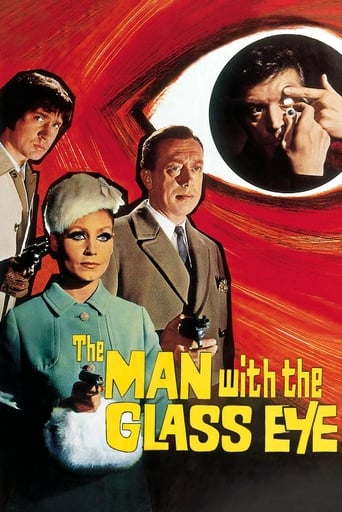 The Man with the Glass Eye · 1969
The Man with the Glass Eye
★ 5.51969
MovieCrimeDrama
A man is found dead in a London hotel. The knife is still firmly stuck in the victim's chest, and Inspector Perkins strangely finds a glass eye in his jacket pocket. Kurt after that a second, mysterious murder happens: A city-famous dancer of the Las Vegas Girls, who perform at the London Odeon Theater, is poisoned. Is there a connection between the pretty dancer and the hotel guest? Inspector Perkins and his colleagues are pressed for time. The "man with the glass eye" strikes deadly again and again. A first clue leads Scotland Yard to a billiard club, where one has to show a glass eye as an admission ticket.
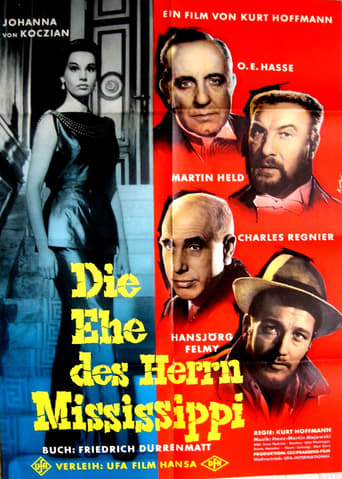 The Marriage of Mr. Mississippi · 1961
The Marriage of Mr. Mississippi
★ 5.51961
MovieComedy
Florestan Mississippi, a public prosecutor by profession, visits a lady named Anastasia and, while drinking coffee with her, convicts her of poisoning her husband. At the same time, he asks for her hand in marriage, as he too has killed his wife with poison; the marriage is to be the "atonement" of the two poisoners. The four allegorical personifications in this comedy are, in addition to the loveless, absolute justice in the form of the prosecutor Mississippi, perfect equality, represented by the world revolutionary Saint-Claude, Christian love, embodied in the down-and-out, alcoholic tropical doctor Count Uebelohe-Zabernsee, and finally the "Frau Welt" of the old mystery play – Anastasia, who falls for everyone and betrays everyone, loves nothing but the moment, and dies with an invoked untruth on her lips.
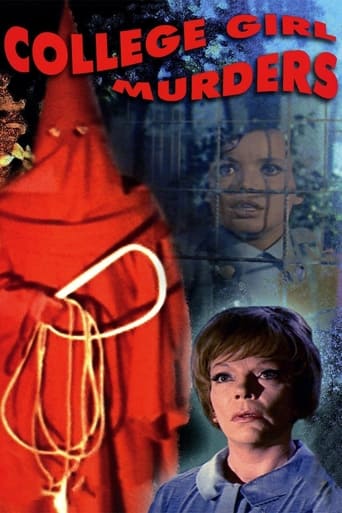 The College Girl Murders · 1967
The College Girl Murders
★ 6.81967
MovieCrimeThriller
Police try to track down a hooded serial killer who murders his victims with a combination of acid and poison gas.
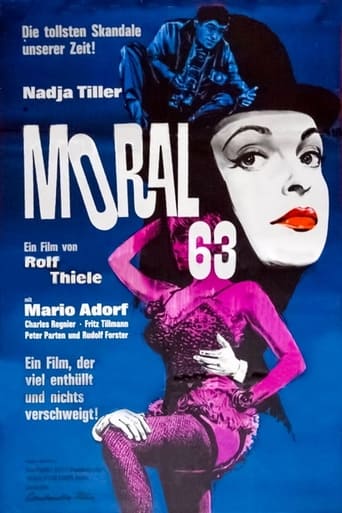 Morale 63 · 1963
Morale 63
★ 6.31963
MovieComedyDrama
The young Marion is arrested by the police for pimping, prostitution and indecent exposure. Reporter Axel Rottmann sense a lucrative story for his newspaper. He makes a deal with Marion, to tell her story.
 Das Liebeskarussell · 1965
Das Liebeskarussell
★ 3.31965
MovieComedy
An episodic film, telling four erotic tales: Angela isn't sexually satisfied by her husband, so she simulates sleep-walking to visit her neighbor across the street every night; when his bathtub runs over, shy Peter gets to meet his sensuous neighbor Lolita; at a high-school reunion his former students pull a prank on Prof. Hellberg and make him believe he cheated on his wife while being drunk; Sybill has a good time during a break at the opera with the famous conductor Cramer.
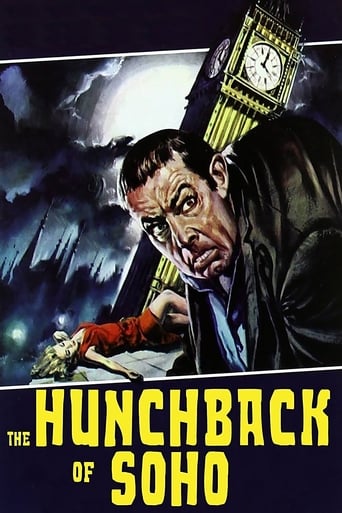 The Hunchback of Soho · 1966
The Hunchback of Soho
★ 6.01966
MovieCrimeMystery
A woman is kidnapped and her identity is stolen by criminals attempting to collect her inheritance.
Filmography
Sort
Morale 63 · 1963Morale 63
★ 6.31963
MovieComedyDrama
The young Marion is arrested by the police for pimping, prostitution and indecent exposure. Reporter Axel Rottmann sense a lucrative story for his newspaper. He makes a deal with Marion, to tell her story.
Dr. Merkel, Ermittlungsrichter



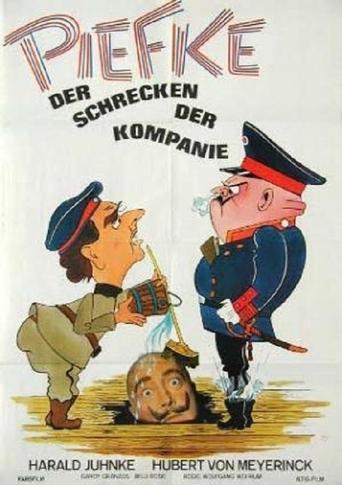 The World's Craziest Army · 1958
The World's Craziest Army
★ 8.31958
MovieComedyWar
Hauptmann Tilo von Weihrauch