G
Writing
Gihō Sugiyama
Born January 17, 1932 · Shibata, Niigata Prefecture, Japan
Died August 3, 2004 · aged 72
Japanese screenwriter.
Known For
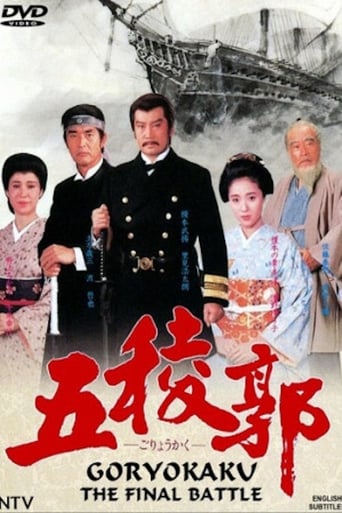 Goryokaku · 1988
Goryokaku
1988
MovieActionHistory
After the fall of the Tokugawa Shogunate, there was a series of battles fought while the former supporters of the Tokugawa shogunate retreated to the north where they actually started a sovereign nation that was recognized by more than one European country. Survivors of the Shinsengumi were among the followers of Enomoto Takeaki who took them to the northernmost island of Ezo where they fought their final battle at the star shaped fort, Goryokaku. The Japanese Civil Wars fought in the name of the emperor signaled the complete end of the feudal system and Japan’s entry into the modern world as those brave samurai tried to halt progress and learned that the age of modern warfare and weaponry had passed them by. Swords were no match for rifles and cannons, nor was any man a match for the power of the imperial flag. Japanese loyalty to the emperor has long defined the nation and culture despite the changing times.
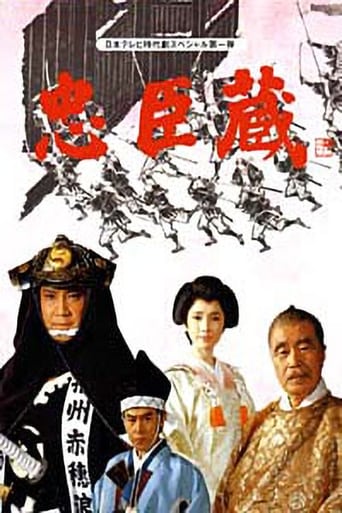 Vendetta of Obligation · 1985
Vendetta of Obligation
1985
Movie
This is the story of the 47 ronin of the Ako clan who rose up to avenge the brutal death of their beloved master Asano Takumi-no-kami after his failed attack on the vile Lord Kira led to his being ordered to commit ritual suicide in a garden on the grounds of the shogun's palace.
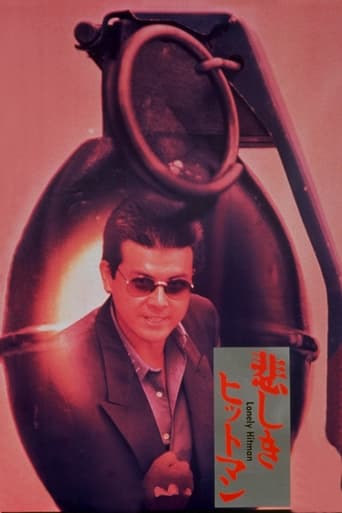 Lonely Hitman · 1989
Lonely Hitman
1989
MovieAction
There are men in this world who seem to have been born to be a villain. His upbringing, his sexuality, everything about him was suited to being in the criminal world. However, he also had a loving wife and children. This is the story of a man who throws himself into a deadly struggle on the front lines of a huge violent war, while at the same time seeking the happiness of his family as a good husband and father.
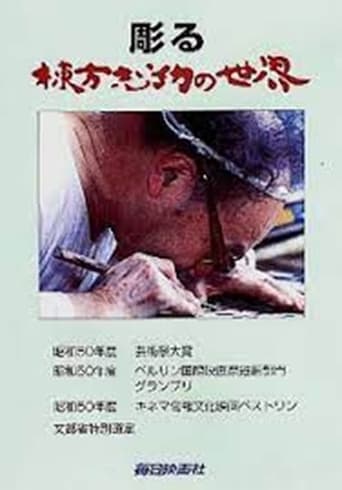 Munakata, the woodcarver · 1976
Munakata, the woodcarver
1976
MovieDocumentary
A documentary film looking at the work of Shiko Munakata, a woodblock artist. His prints are based on Buddhist philosophy and are highly original and Oriental in style.
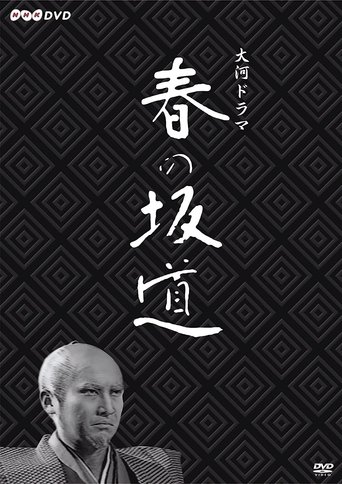 Haru no Sakamichi · 1971
Haru no Sakamichi
1971
SeriesDrama
The story chronicles the life of Yagyū Munenori.
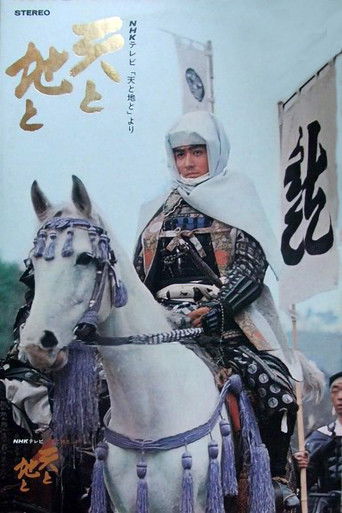 Heaven and Earth · 1969
Heaven and Earth
★ 7.31969
SeriesDramaWar & Politics
The story chronicles the life of Nagao Kagetora.
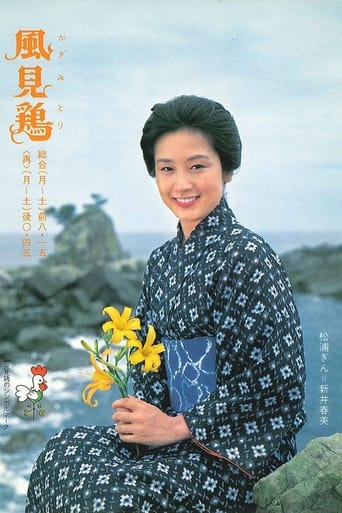 Kazamidori · 1977
Kazamidori
1977
SeriesDramaFamily
The 20th NHK Asadora. Starring Harumi Arai as a woman who marries a German and starts a bakery in Kobe.
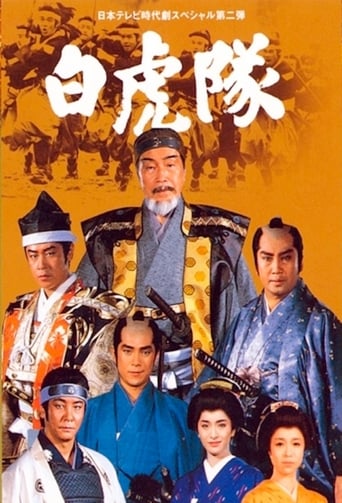 Byakkotai · 1986
Byakkotai
1986
SeriesDrama
Byakkotai was part of Aizu's four-unit military, set up in the domain's drive to finalize its military modernization, in the wake of the Battle of Toba-Fushimi. The other three units were Genbutai, Seiryūtai, and Suzakutai. Each of the four was named after the protecting gods of compass directions. Byakkotai was meant to be a reserve unit, as it was composed of the young teenage 16 to 17 year old sons of Aizu samurai in a group around 350, who fought in the Boshin War (1868–1869)
Filmography
Sort