Camera
Adrian Cooper
No biography available.
Known For

Nov 12, 2026
Só Não Posso Dizer o Nome · 2026Só Não Posso Dizer o Nome
2026
MovieDrama
 River of Desire · 2023
River of Desire
★ 6.62023
MovieDrama
Three brothers find themselves sharing a home with the alluring new wife of the middle sibling. As they become infatuated with the same woman, a complex and enthralling tale ensues in this tropical paradise.
 Posthumous Memories · 2001
Posthumous Memories
★ 6.22001
MovieDramaComedy
Free adaptation of Machado de Assis' classic. The narrator is a rich dead man, who tells us about his life and times, making fun of both.
 Choque Cultural · 1977
Choque Cultural
★ 5.01977
MovieDocumentary
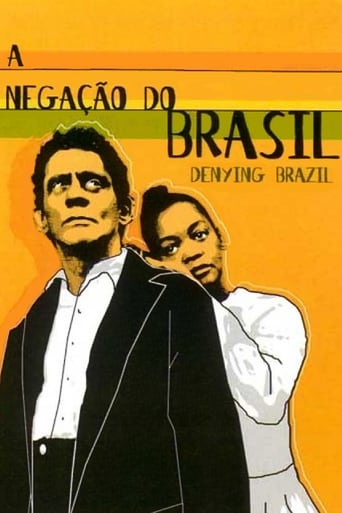 Denying Brazil · 2000
Denying Brazil
★ 8.42000
MovieDocumentary
A documentary film about the taboos, stereotypes, and struggles of black actors in Brazilian television "soaps". Based on his own memories and on a sturdy body of research evidence, the director analyses race relations in Brazilian soap operas, calling attention to their likely influence on Brazilian African-Americans' identity-forming processes.
 Outro Sertão · 2013
Outro Sertão
★ 5.52013
MovieDocumentary
A documentary about Joao Guimaraes Rosa's stay in Nazi Germany. The film captures the experience of the Brazilian vice-consul in Hamburg between 1938 and 1942, at the height of the Nazi regime and during the first years of the World War II. Using his writings from that time, as well as archive pictures, documents, survivors testimonies, and an unpublished interview with him, the film reveals new biographical aspects of one of the greatest writers in Brazilian history.
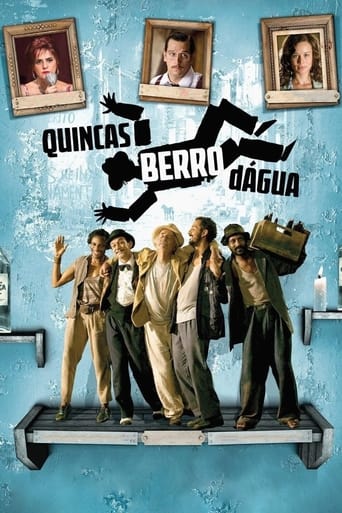 The Two Deaths of Quincas Wateryell · 2010
The Two Deaths of Quincas Wateryell
★ 6.92010
MovieComedyDrama
Friends of the recently deceased Quincas take their pal's body on one last tour of his favorite spots in Brazil's Bahia.
 Santo and Jesus, Metalworkers · 1983
Santo and Jesus, Metalworkers
★ 7.01983
MovieDocumentary
From its very title, Cláudio Kahns and Antônio Paulo Ferraz's Santo e Jesus, Metalúrgicos is crystal clear about where it stands and about its messianic flair. Through a wordplay with the religious connotation of the names of the two men, murdered during the worker strikes of the late 1970s in São Paulo, it associates sainthood and Christ himself with the working class. That association is reaffirmed throughout the film, from the very beginning, including by a priest. The martyrdom of metalworkers Nelson Pereira de Jesus and Santo Dias da Silva is the starting point to denounce the working conditions faced by factory workers, and the repression which ensues whenever they try to resist them. However, the film also presents us with the 'official' version of the facts, going so far as to feature interviews with the man who killed Nelson. Obviously, it sides with the workers, as it conveys the strength of the oppressed and the impudence of the oppressors.
Filmography
Sort