Directing
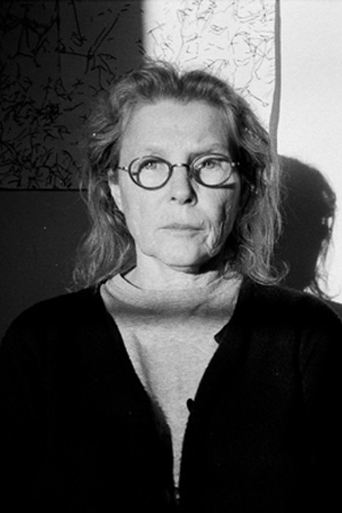
Barbara Sternberg
Born March 24, 1945 · Toronto, Canada (age 81)
Toronto filmmaker Barbara Sternberg has been making films since the mid-seventies. Her films have been screened widely across Canada as well as internationally at the Pompidou Centre in Paris, Kino Arsenal in Berlin, The Museum of Modern Art and Millennium Workshop in New York, and the Ontario Cinematheque, Toronto. Her work is in the collection of the Art Gallery of Ontario and the National Galle…
Known For
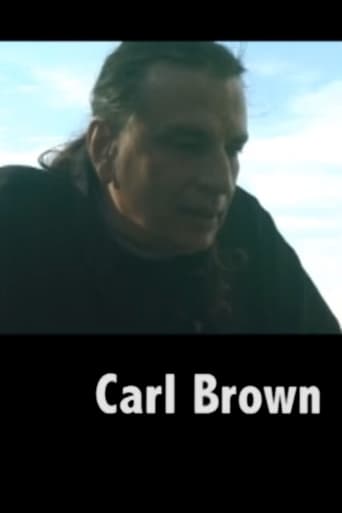 Carl Brown · 2010
Carl Brown
2010
MovieDocumentary
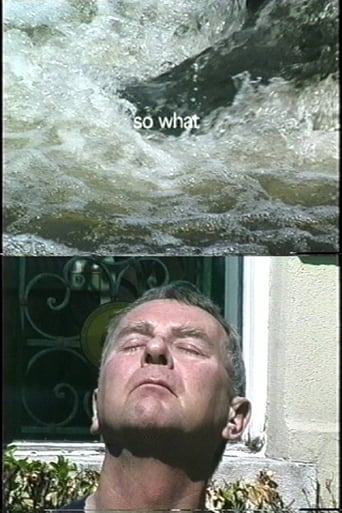
A short video documentary by Barbara Sternberg, approximating the dual-screen approach of the titular filmmaker. Brown speaks candidly, is shown in a studio; An excerpt from his film Memory Fade (2009) follows the footage. One of many of Sternberg's interviews with fellow artists.
 A Trilogy · 1985
A Trilogy
1985
Movie
 At Present · 1990
At Present
★ 9.01990
Movie
This film is about love - relations between men and women, conversations in the air. Men are heard in voice-over speaking a love-talk which is personal, though anonymous, or singular. Another voice-over reads parables, which present a context for the possibility of love or spirit in the world at large. The film ends optimistically: a smile slowly spreads on a man's face. Women addressing men in their own voices.
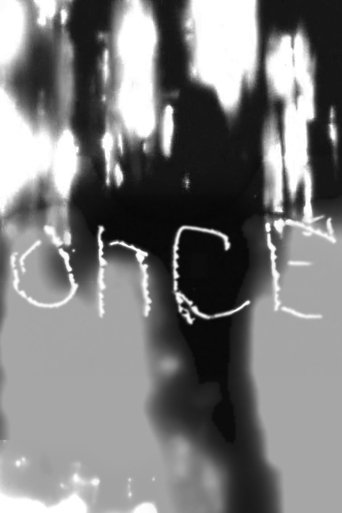 Once · 2007
Once
2007
Movie
"Poetry, film, light, life. An excerpt from Rilke's Ninth Elegy [...] evokes the beauty and brevity of life. Images shimmer in an uncanny light. We catch glimpses only."
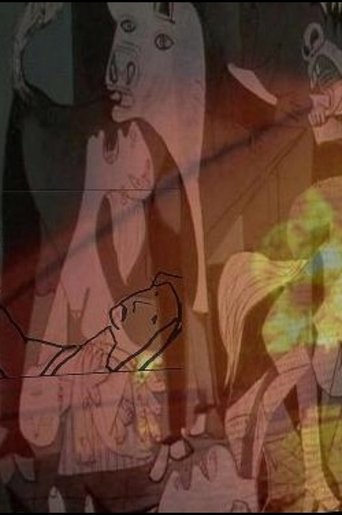 After Nature · 2008
After Nature
2008
Movie
After Nature, after the Fall, after all - where do we go from here? Digital imagery and optically printed superimpositions combine in a cascading plunge to no(w)here – new beginnings or more of the same?
 Surfacing · 2004
Surfacing
2004
Movie
Our busy comings and goings, on the move, working at life are pictured, but layers of images and scratched emulsion make viewing through the depths an effort. If we scratch the surface, however... Glimpses of other states suggest we can surface.
 Awake · 1997
Awake
1997
Movie
A bedroom (and life) viewed from the horizontal, while wondering whether to join in the race or wake up to the illusion. The soundtrack quotes from Gertrude Stein’s Making of Americans on disillusionment.
 beating · 1994
beating
★ 9.01994
Movie
To get beaten or give a beating, to beat oneself up. To beat the odds. Metal is forged by beating. Birds beat their wings, the sun beats down, and our hearts - Under this central trope of 'beating', with its combined negative and positive implications, the film brings together the individual personally lived and the communal, historic perspective; hatred and forgiveness; laughing and crying.
Filmography
Sort
 Praise · 2005
Praise
2005
Movie
Director