Directing
Carlos Castillo
Carlos Castillo is, along with Diego Rísquez, one of the most important figures in Venezuelan avant-garde Super-8 cinema.
Known For
 Operación chocolate · 1984
Operación chocolate
★ 9.01984
MovieComedy
1984, in Venezuela, in a supermarket, young children are used as caddies: they load customers' errands and roll them up to their car. Their leader is Rafa (Amilcar Rivero). Cheo (Alexandra Rodriguez) would like to be caddy and despite the agreement of the chief of staff, Rafa asked him to pass the test of the "little day": spend a night inside the store without getting caught by the guards.
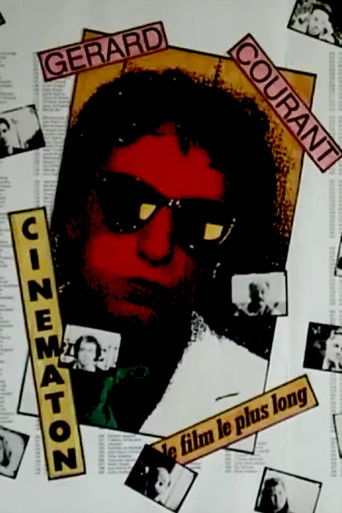 Cinématon XXI · 1982
Cinématon XXI
1982
Movie
Reel 21 of Gérard Courant’s on-going Cinematon series.
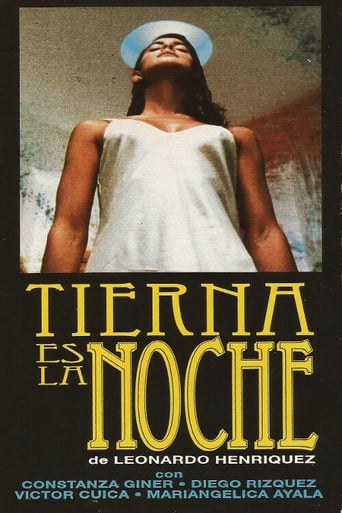 Tierna es la Noche · 1990
Tierna es la Noche
★ 8.51990
MovieDramaMystery
Tierna es la Noche is a film without bullets nor sea, without mosquitoes, without peasants nor flowers. It only contains a barman, a man and a beautiful woman who lives in a bathroom. For commercial reasons, we have included two policemen, a drop of blood and a multilingual nymphomaniac. For aesthetic reasons, a tear and a black man. For both reasons, the film takes place anachronically, during the fifties and nineties in a make-believe city called Caracas. It's a story of histerics, like all stories, unfinished.
 Transformaciones · 1981
Transformaciones
1981
Movie
Transformations is a work in which the author addresses the issue of gender freedom. According to Castillo, the moving images and the unfolding action open a window to free thought and free interpretation of what is seen. "To be or not to be, that is my film," says the author.
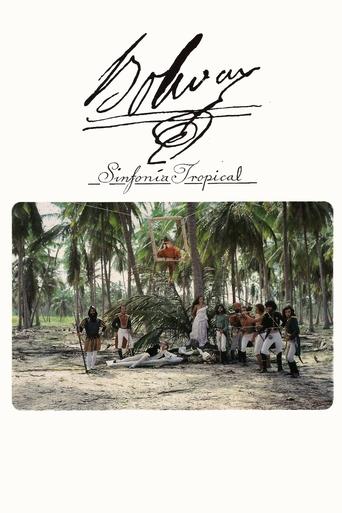 Bolívar, a Tropical Symphony · 1979
Bolívar, a Tropical Symphony
★ 7.51979
MovieDrama
This is the first of Diego Risquez’ trilogy of avant-garde cinematic treatments of historical subjects. Using a painterly style, it features portraits, still lifes, and scenes shot as tableaux vivants, the film provides an experimental interpretation of the arrival of the Spanish and their domination of the New World, as well as the Venezuelan Independence movement, focusing on the role of Simón Bolívar. There is no dialogue or narration, simply a musical score and the depiction of events from Bolívar’s career.
 Rubén Blades: un Rey de la salsa · 1982
Rubén Blades: un Rey de la salsa
1982
MovieMusicDocumentary
The salsa singer Rubén Blades attends the Super-8 Film Festival in Caracas and Margarita Island, Venezuela.
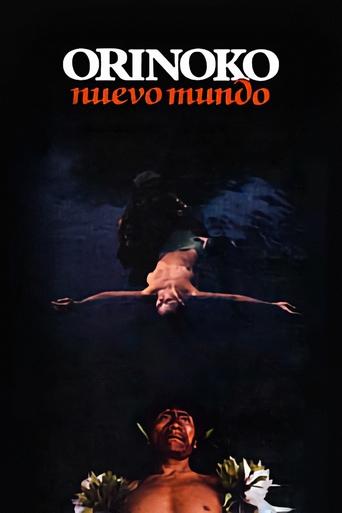 Orinoko, New World · 1984
Orinoko, New World
★ 5.41984
MovieDramaHistory
The Orinoko: main character in the film. The first part is set during the pre-conquest and is represented as an earthly paradise. A shaman has precognitive visions: go to Columbus and the Catholic missionary in 1498.
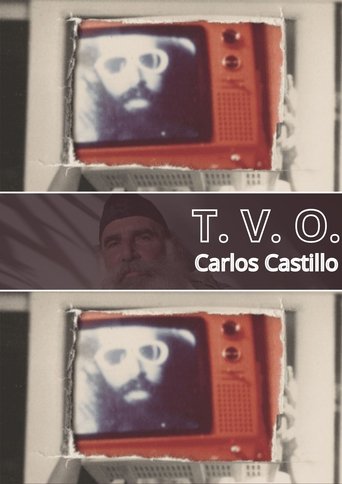 T.V.O. · 1979
T.V.O.
1979
Movie
Television is one of the themes in T.V.O., which tells the story of a lonely woman’s interaction with the contraption. “The dog is no longer man’s best friend; now it’s television,” Castillo said in a conversation with the author of this article. The character is played by Mimí Lazo, one of the country’s most prominent actresses and a Venezuelan sex symbol. The film toys with this stereotype as regards the vicarious satisfaction given by romance and sex on screen. The other theme, linked to loneliness, is developmentalism: the main character lives in Parque Central, a middle-class housing complex whose residential buildings were finished in 1972 and became a symbol of well-being on the brink of the oil boom. (Pablo Gamba)