M
Editing
Maria Inês Villares
No biography available.
Known For
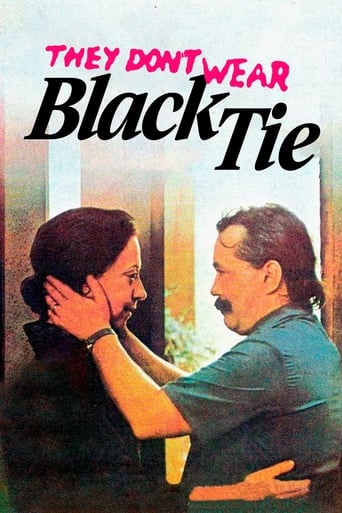 They Don't Wear Black Tie · 1981
They Don't Wear Black Tie
★ 8.31981
MovieDrama
Otavio is an idealistic union leader trying to organize workers at a factory to resist the company's exploitative practices. His son, Tião, one of the employees, is more of a realist and doesn't want to risk losing his job by striking. This clash of perspectives puts the father and son at odds. Fortunately, Tião's mother, Romana, is on hand to act as a moderator between the two opinionated men.
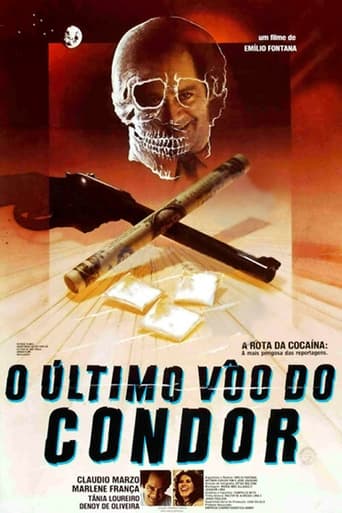 O Último Vôo do Condor · 1982
O Último Vôo do Condor
★ 10.01982
MovieCrime
35mm, Color, 95min42seg, 2.624m, 24q, Eastmancolor
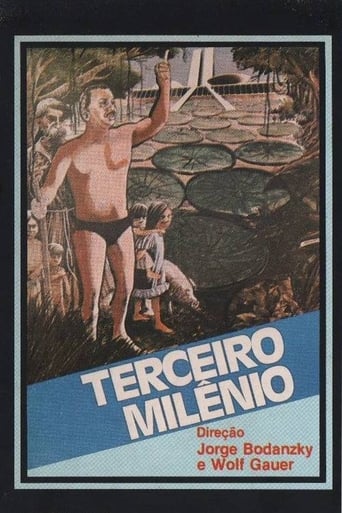 Terceiro Milênio · 1981
Terceiro Milênio
★ 6.61981
MovieAdventureDocumentary
August, 1980. Evandro Carreira, a Brazilian senator leaves his party's office in Manaus to visit his constituents in the state of Amazonas. Interviews with farmhands, loggers, explorer Paulo Lucena, Brazilian and Peruvian Indians and a representative of the National Indian Foundation (Funai) were recorded from the city of Benjamin Constant to the village of Cavalo Cocho. A visit to the indigenous village of the Ticunas and the lands of the Maiuruna people culminate with an interview and the actions of José Francisco da Cruz, a member of the Order of the Holy Cross. Throughout the trip, the economic potential of the Amazon and its problems (corruption in the indigenous policies and the pollution produced by factories) are shown.
 Fire and Passion · 1989
Fire and Passion
★ 7.01989
MovieComedy
A bus tour to São Paulo’s touristic spots bumps into several strange people.
 Nada Será como Antes, Nada? · 1984
Nada Será como Antes, Nada?
1984
MovieDocumentary
...discussion of leftist attitudes towards democracy and popular movements; in parallel, a discussion about the role of militant cinema in relation to real political struggles.
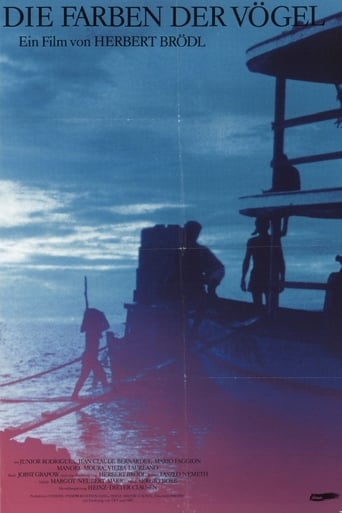 Die Farben der Vögel · 1989
Die Farben der Vögel
★ 9.01989
MovieHistoryAdventure
The scientist Udo Gierer is on the trail of Theodor Koch-Grünberg, the famous Amazon researcher at the beginning of our century. While traveling on a river steamboat, he meets and becomes friends with 14 year old José Junior. He takes José with him on a flight over the rain forest and tells the boy about the importance of the Amazon as the lung of the world.
 Que Ninguém, Nunca Mais, Ouse Duvidar da Capacidade de Luta dos Trabalhadores · 1979
Que Ninguém, Nunca Mais, Ouse Duvidar da Capacidade de Luta dos Trabalhadores
1979
MovieDocumentary
The documentary covers the first phase of the brazilian metalworkers' strike in 1979. It was made to be shown to the workers during the truce between the two phases of the strike, with the aim of mobilizing them for the second phase. The film shows the large assemblies, with more than 100 thousand metalworkers, in the Vila Euclides field, in São Bernardo do Campo; the mobilization for a vigil at the Union; the resulting street conflicts and the triumphant return of the board, headed by Lula, in the great assembly in which the truce was proposed.
 Jari · 1979
Jari
★ 7.51979
MovieDocumentary
Documentary filmed in the Jari Project area – multinational enclave, located between Pará and the then Federal Territory of Amapá, on the occasion of the visit made to the Project by the Parliamentary Commission of Inquiry about the devastation of the Amazon. Jari is the largest known land occupation in the Amazon, and probably the largest in the world, to belong to a single owner, the American millionaire Daniel Keith Ludwig.
Filmography
Sort