K
Directing
Konrad Steiner
Konrad Steiner is a filmmaker interested in live cinema, music, and language, who curates and creates single channel and performance works with poets and musicians in the SF Bay Area and beyond. He studied filmmaking at School of the Art Institute of Chicago. BA in Linguistics from Stanford U. Member of the SF Cinematheque curatorial committee (2003-2006); co-founder and producer of kino21.org fil…
Known For
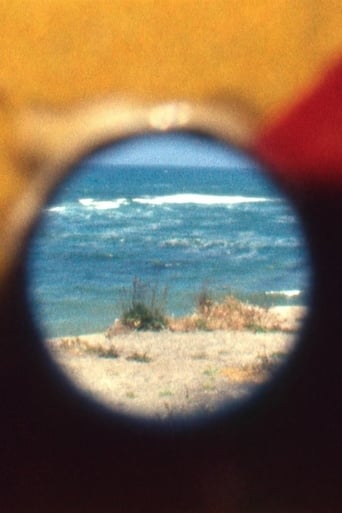 New Shores · 2012
New Shores
★ 8.02012
Movie
NEW SHORES is a sister film to IN THE STONE HOUSE in many ways. Like the latter film, it consists of earlier footage edited in recent years. It could be seen as a sequel to IN THE STONE HOUSE especially since it begins with a cross-country journey to the West Coast, where I settled, and concludes with a visit, in 1987, to the “stone house” in rural New Jersey. Even though there is some sort of time line that can be imagined, the film stands on its own. It is simply a series of episodes that touch upon facets of living in a new area with new weather, new people, new identities and stubborn old fears. The Bolex camera goes to work across landscapes and living areas, workplaces and gatherings. A dance of images: can beauty partner with dread and death? It’s a film of the coexistences that percolate beneath the surface of ordinary events. A film of useless hopes and baseless fears.
 way · 2012
way
★ 5.62012
Movie
San Francisco filmmaker Konrad Steiner took 12 years to complete a montage cycle set to the late Leslie Scalapino’s most celebrated poem, way—a sprawling book-length odyssey of shardlike urban impressions, fraught with obliquely felt social and sexual tensions. Six stylistically distinctive films for each section of way, using sources ranging from Kodachrome footage of sun-kissed S.F. street scenes to internet clips of the Iraq war to a fragmented Fred Astaire dance number.
 End Over End · 1987
End Over End
1987
Movie
An attempt to respond to three things: 1) my daily life working, living in, and escaping from San Francisco, 2) montage, gesture, and technique in DEAD END DEAD END, a film by Daniel Barnett, and 3) cynicism that could remove one from constructive life. The montage of fine resonances and ecstatic rhythms suggests stories without elaborating a plot idea; this was the formal inspiration from Japanese haikai, or "linked poetry."
 Remains · 1990
Remains
1990
Movie
A dark, psychological sketch of Berlin's architecture.
 Floating By Eagle Rock / She is Asleep · 1998
Floating By Eagle Rock / She is Asleep
★ 8.01998
Movie
The title Floating by Eagle Rock / She Is Asleep is culled from a) an image in the film that evokes the spirit of relaxed alertness, and b) the title of a quiet John Cage percussion piece that the images accompany.
 Prelude (Foreplay/Mourning) · 2012
Prelude (Foreplay/Mourning)
2012
Movie
Eight films to music, music-to-poetry, and poetry. The film takes its title from the first shot, a single take set to Fauré's setting of "Au bord de l'eau" by René-François Sully-Prudhomme. The image shows a tree in bloom near a stream, during an extraordinarily long warm streak in February, a dream of spring in the middle of winter outside Chicago. A false spring that doomed the exuberant tree's fruit.
 Fireside · 1983
Fireside
1983
Movie
Inspired by enjoyment of looking into a bonfire or hearth, seeing shapes coalesce and disperse fleetingly, or by feeling the mind's desire work with the forms of flame that dance. The cinema is a similar form to that. Made without a camera by etching unexposed film with sandpaper, chemicals and light.
 Limn IV · 1989
Limn IV
1989
Movie
Trying out some grammar shared with experimental filmmakers. The look of this film was inspired by the connotation of the word "limn" that evokes 'to paint in watercolor.'
Filmography
Sort