Directing
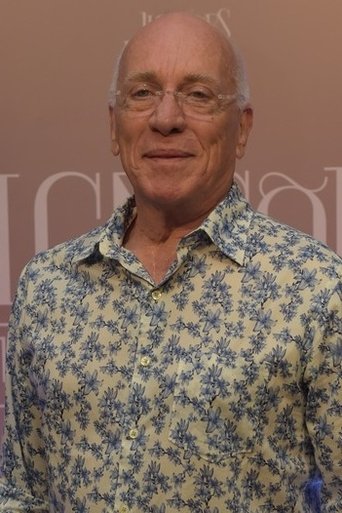
Ary Coslov
Born September 10, 1942 · Rio de Janeiro, Rio de Janeiro, Brazil (age 84)
No biography available.
Known For
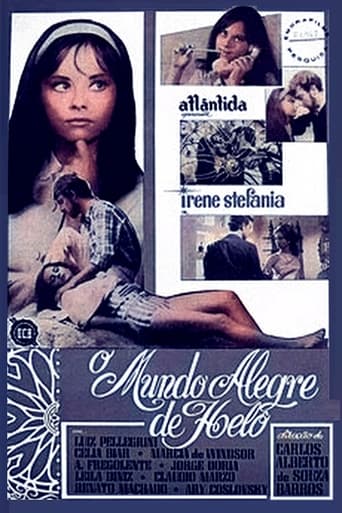 O Mundo Alegre de Helô · 1967
O Mundo Alegre de Helô
★ 9.01967
MovieRomanceDrama
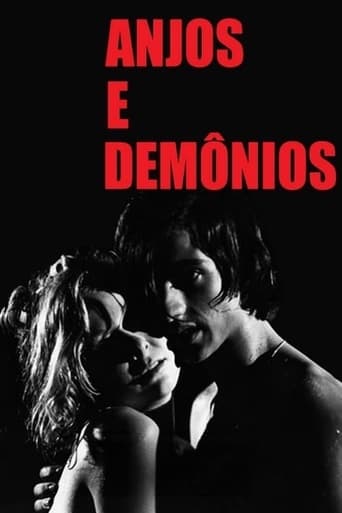 Angels and Demons · 1969
Angels and Demons
★ 6.01969
MovieCrimeDrama
A young woman and her lover draw an unsuspecting lawyer into their plan to kill her rich uncle and stay with his fortune.
 Marquesa de Santos · 1984
Marquesa de Santos
★ 7.51984
MovieRomance
The story of Domitila de Castro Canto e Melo, the Marquise of Santos, the most famous of the mistresses of Dom Pedro I, Emperor of Brazil.
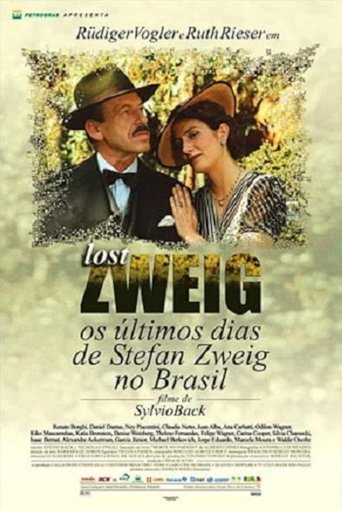 Lost Zweig · 2003
Lost Zweig
2003
MovieDrama
The life of Austrian writer Stefan Zweig in Brazil. He wrote the famous book "Brasil, País do Futuro" (Brazil, Country of the Future). He and his wife Lotte, in a mysterious death pact, decided to kill themselves in the week following 1942 Carnival, in Brazil.
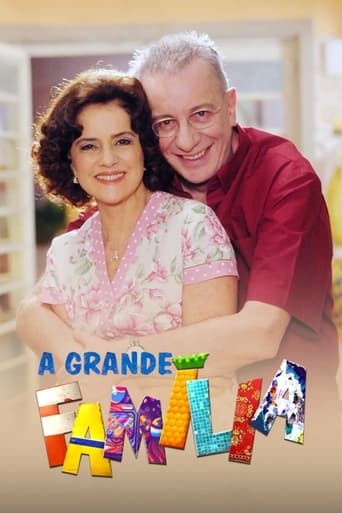 A Grande Família · 2001
A Grande Família
★ 8.42001
SeriesComedyFamily
The daily lives of a typical Brazilian middle-class family, that are always very close and tries, in their way, to survive the financial and relationship difficulties.
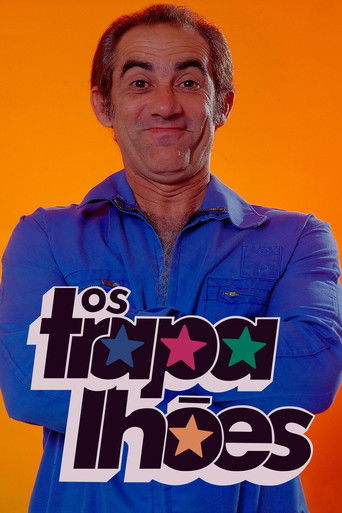 The Trapalhões · 1977
The Trapalhões
★ 8.01977
SeriesComedy
Os Trapalhões was a Brazilian comedy group and also a Brazilian television series created by Wilton Franco. Its members were Dedé Santana, Zacarias, Mussum and their leader Didi Mocó, that was played by Renato Aragão. The name Trapalhões is derived from the Portuguese verb atrapalhar, which means the opposite of helping, to do something the wrong way or to Those that confuse. The name is translated "Tramps" in English DVD subtitles. It was aired by Rede Globo from 1977 to 1999.
On March 18, 1990, Zacarias died due to respiratory failure, but the group and the series didn't come to an end until July 29, 1994, when Mussum died due to an unsuccessful heart transplant.
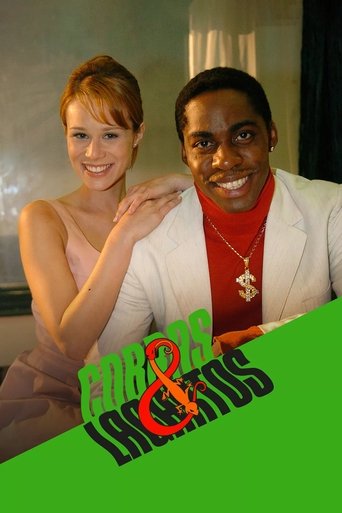 Snakes & Lizards · 2006
Snakes & Lizards
★ 7.42006
SeriesSoapComedy
Is it possible that in a world ruled by appearance, there is room for loyalty, ethics, true love, honesty and solidarity? Is it possible, today, when unrelenting consumption is a way of life, to find someone who equates more value to being rather than having? Cobras & Lagartos is an urban tragic comedy, modern and humanist, that deals with two increasingly different worlds: one which values loyalty and solidarity and the other, where the seduction of superfluity and the power of money reign.
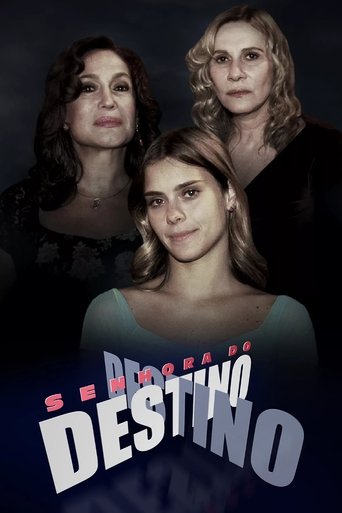 Her Own Destiny · 2004
Her Own Destiny
★ 7.82004
SeriesSoapDrama
A story about people who succeed in life thanks to nothing but their own efforts. Maria do Carmo is the main character of the telenovela; a mother of five who struggle to be successful in life, but whose most important will be recovering the love of her daughter who was kidnapped when she was just months old.
Filmography
Sort



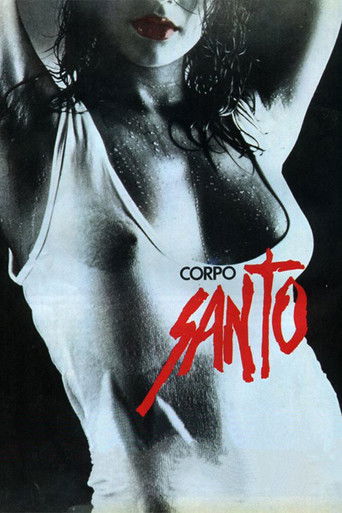 Corpo Santo · 1987
Corpo Santo
★ 8.51987
SeriesSoapDrama
Executive Producer