S
Acting
Steve Paxton
Experimental dancer and choreographer. Founding member of the Judson Dance Theater and the improvisational dance group Grand Union. Developed the dance form known as Contact Improvisation.
Known For
 Trio Film · 1968
Trio Film
1968
MovieDrama
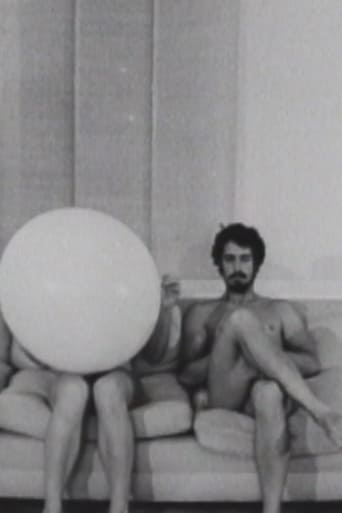
Two nudes, a man and a woman, interact with each other and a large balloon in a white living room. Performed by Steve Paxton and Becky Arnold. Camerawork by Phill Niblock.
 Humano Caracol
Humano Caracol
Movie
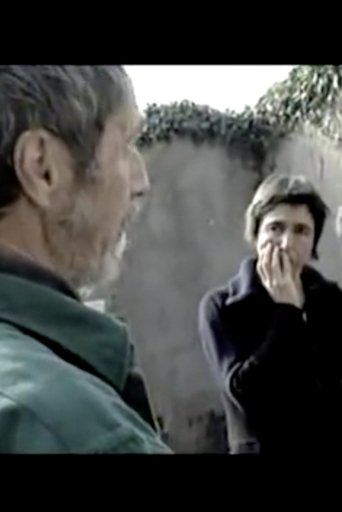
Pep Ramis and María Muñoz speaks with the american coreographer Steve Paxton and elaborate organic compounds at Mas Espolla in the year of 2009.
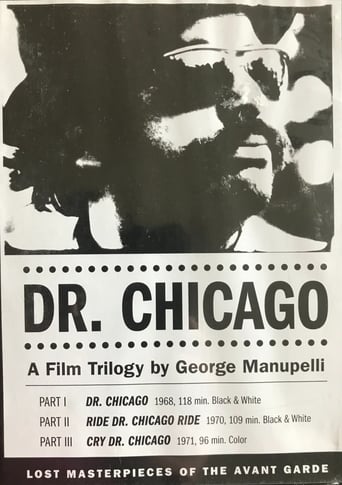 Dr. Chicago · 1968
Dr. Chicago
1968
Movie
A surgeon is on the run from the police for unacknowledged reasons.
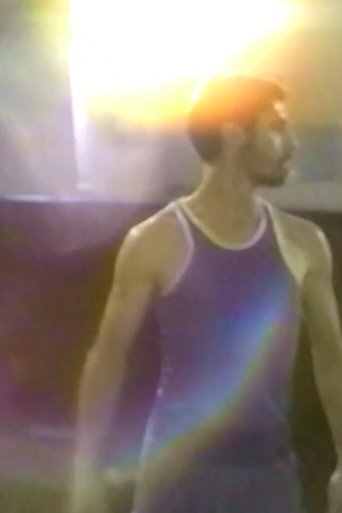 Asteroid · 1978
Asteroid
1978
Movie
A made for the camera video collaboration with Steve Paxton, a unique pas de deux between videographer and dancer.
 Steve Paxton: Physical Things · 2013
Steve Paxton: Physical Things
2013
Movie
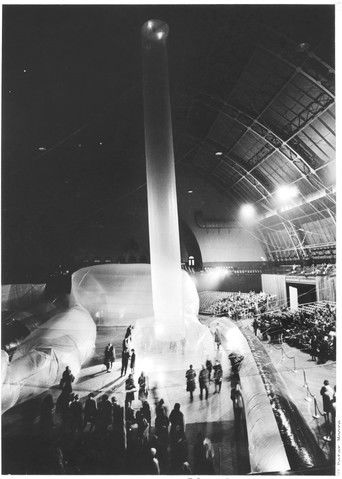
In Steve Paxton’s PHYSICAL THINGS, a polyethylene air-inflated structure occupied most of the Armory floor, with a tower rising to the peak of the Armory roof. The audience walked through the structure, encountering slide projections, sounds, and performers. Emerging from the structure, they used small receivers to hear different sounds broadcast from wire loops suspended in a net overhead, thus composing their own sound experience.
 Deborah Hay: Solo · 2012
Deborah Hay: Solo
2012
Movie
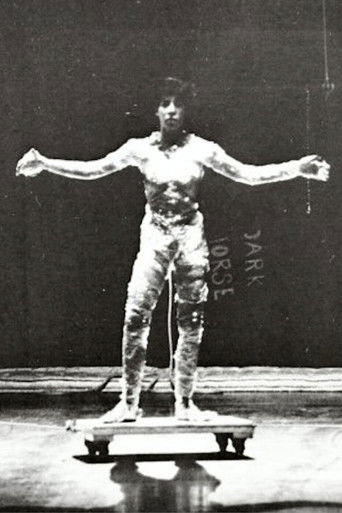
For Deborah Hay’s SOLO, Larry Heilos designed the control systems for eight radio-controlled carts that moved around the Armory floor, which were then covered with wooden boxes to make platforms for dancers to stand or lie on. At the rear of the space, eight formally dressed performers operated the radio-control system to move the platforms into and around the space. Composer Jim Tenney acted as the “conductor” of the “orchestra”. Sixteen dancers entered the brightly lit space either walking or riding on a cart. They then walked in solo, duet, or trio formations or rode on the moving platforms, following Hay’s specific rules and choreography. The sound for the performance was David Tudor’s realization of Toshi Ichiyanagi’s work FUNAKAKUSHI. [Overview courtesy of Anthology Film Archives]
Ride Dr. Chicago Ride · 1970Ride Dr. Chicago Ride
1970
Movie
From George Manupelli's Doctor Chicago trilogy, starring Alvin Lucier as the evil (and politically incorrect) surgeon on the lam, Dr. Alvin Chicago with his sidekicks Sheila Marie (Mary Ashley) and Steve (Steve Paxton, who dies, dancingly, in each episode).
Cry Dr. Chicago · 1971Cry Dr. Chicago
★ 7.01971
Movie
The premise of the Dr. Chicago feature film trilogy is that Dr. Chicago (Alvin Lucier), a sex-change surgeon, is perpetually on the lam, fleeing the Feds and, in Cry Dr. Chicago, hotly pursued by his nemesis, a French gangster–cum–business tycoon (Claude Kipnis).
Filmography
Sort