Sound
Pēteris Vasks
Born April 16, 1946 · Aizpute, Latvia (age 80)
Pēteris Vasks is a Latvian composer.
Known For
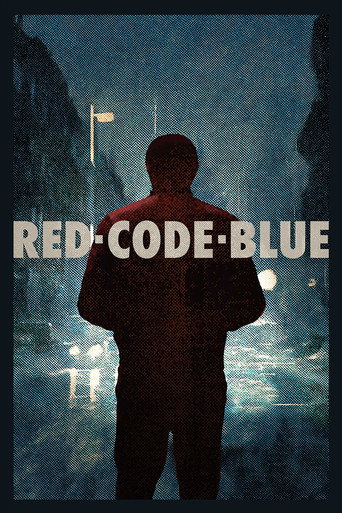 Red Code Blue · 2025
Red Code Blue
★ 8.02025
MovieCrimeDrama
Young police detective Romāns Skulte joins the Riga Central Precinct in the mid-1990s. In no time at all, Skulte’s youthful enthusiasm clashes with the harsh reality of the streets, leading him to the realisation that in order to purge the city of crime, ethical and legal boundaries must be breached.
 Ilmārs Blumbergs · 2019
Ilmārs Blumbergs
2019
MovieDocumentary
The story of the secret of self-creativity, the loneliness of the soul, the meridians of con-sciousness and the scope of man. Ilmārs Blumbergs (1943-2016) is a concept in life than can be classically proven if we analyze his work in set design, poster art, painting and multimedia work. The personality of Blumbergs, however is a shifting and intangible material which ensures superior value, wonderfulness and intimacy to all that he created. Those who analyze his art and world perceptions, recognize the work as seeming to come from antiquity, but it can never be catalogued or recorded in bookkeeping. How fortunate that it also cannot be consumed.
 The Children of Siberia · 2001
The Children of Siberia
2001
MovieDocumentary
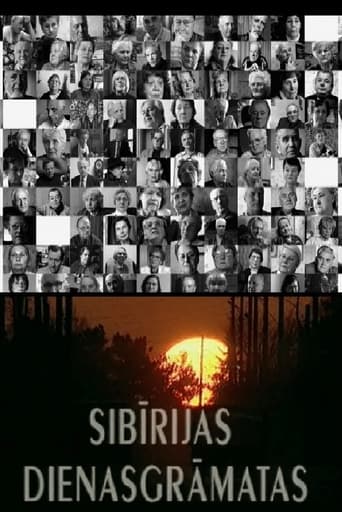
On June 14, 1941, more than 15,000 Latvian inhabitants, including approximately 4,000 children of Latvian, Jewish, Polish and Russian ethnicity were deported to Siberia. During this period of deportation by the Soviet invaders, the men were separated from their families and sent to the Gulag. Some were sentenced to the highest punishment, death, and the rest were kept in labor camps. The women and children were sent to the remote Krasnoyarsk and Tomsk districts. The first two years were the most difficult and many perished from the harsh conditions. Today some 400 of those deported children still live in Latvia and Siberia. This documentary describes the fate of these children.
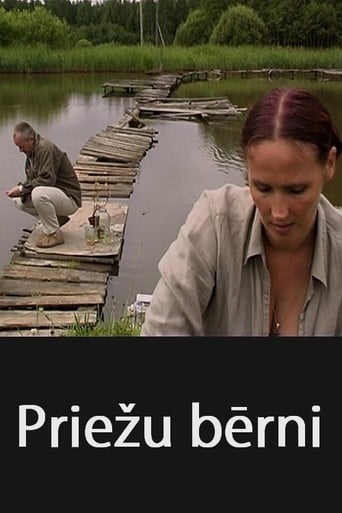 Business Trip to Forest · 2005
Business Trip to Forest
2005
Movie
Circumstances force two former friends and schoolmates to meet again after a long separation. There’s an unresolved conflict from their past. Will this chance meeting result in reconciliation?
 The Fathers Over There · 2016
The Fathers Over There
2016
MovieDocumentary
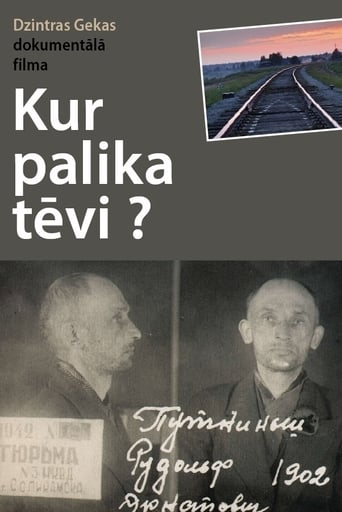
Andris Caune, Ojārs Grensbergs, Imants Grāvītis and Jānis Zemtautis spent many years in the Gulag camps. They survived. In 1954, a riot broke out in Jezkazan, Kazakhstan. The men’s camp and women’s camp joined together and held on for 40 days. Then came the tanks that killed more than 1,000 of them. Austra Vērpe met her future husband there. They were lucky to stay alive. The dream of the musician Zigfrīds Muktupāvels was to find the grave of his paternal uncle in far-off Kazakhstan. He was named after his uncle, who never came home. Zigfrīds and a cousin headed off into the steppes to look for a monument reading “Zigfrīds Muktupāvels.” The next round of deportations occurred in 1949, and whole families were sent to Siberia. Fathers were tried in court, a great many ended up in punitive camps in Vorkuta and Inta. Skaidrīte Jostmane and Māris Landers travelled to Vorkuta to find their father’s gravesite.
 Tipa the Ant · 1976
Tipa the Ant
1976
MovieAnimationFamily
An animation film about a little ant who leaves the house for the first time in her life and tries to find out what the sun is.
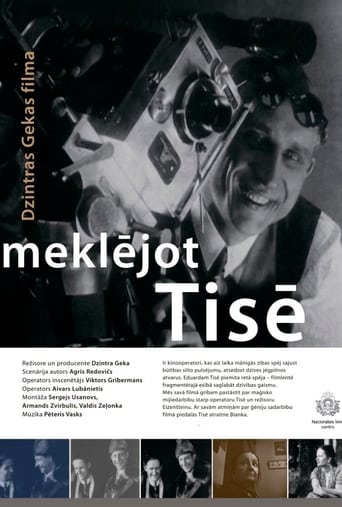 Seeking Tisse · 2017
Seeking Tisse
2017
MovieDocumentary
The story of the world-renowned Liepāja-born cinematographer Eduard Tisse, whose wife was convinced it was he who created all the famous films of Sergei Eisenstein. The creators of the film develop the story and cross the lines drawn by biography, trying to understand the magic interaction between a cinematographer and a director, between the cinematographer and the object in front of his camera.
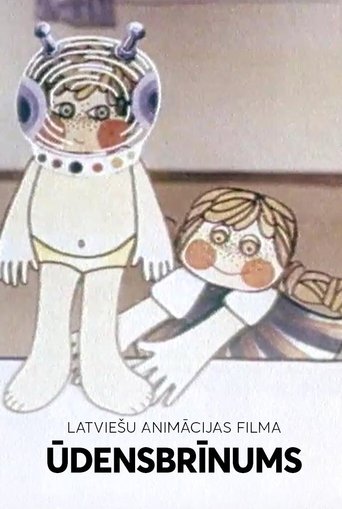 Ūdensbrīnums · 1978
Ūdensbrīnums
1978
MovieAnimationFamily
The protagonist's adventures tell a story about the water supply system.
Filmography
Sort
Tipa the Ant · 1976Tipa the Ant
1976
MovieAnimationFamily
An animation film about a little ant who leaves the house for the first time in her life and tries to find out what the sun is.
Original Music Composer
Ūdensbrīnums · 1978Ūdensbrīnums
1978
MovieAnimationFamily
The protagonist's adventures tell a story about the water supply system.
Original Music Composer
 Tom Thumb · 1982
Tom Thumb
1982
MovieAnimation
An animation film based on the play by Anna Brigadere.
Original Music Composer
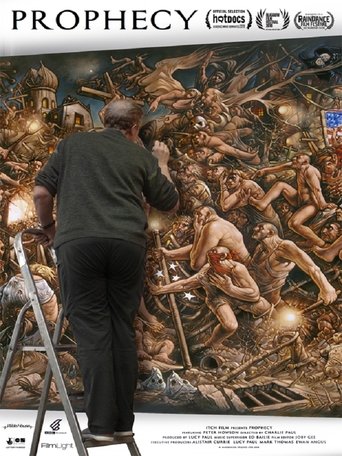 Prophecy · 2019
Prophecy
★ 8.02019
MovieDocumentary
A documentary about Scottish artist Peter Howson as he journeys into creating one of masterpiece paintings.
Original Music Composer