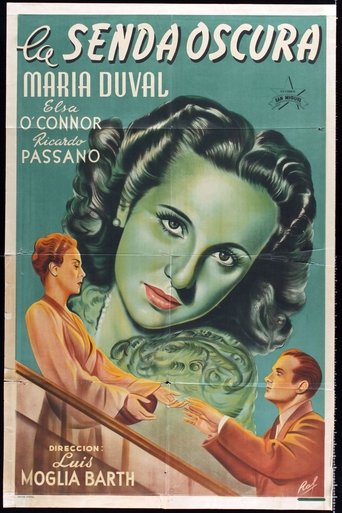
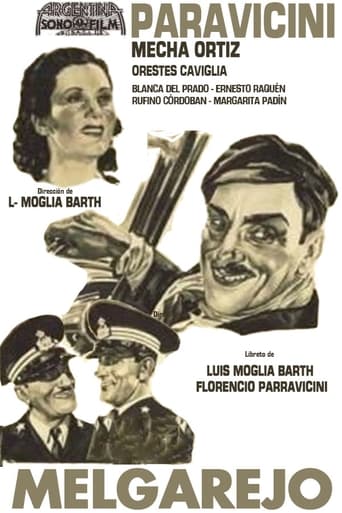
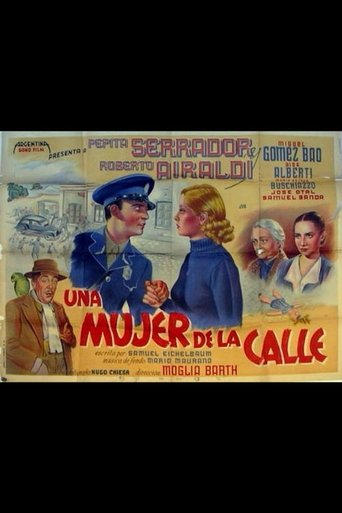
Directing
Luis Moglia Barth
Born April 10, 1903 · Buenos Aires, Argentina
Died June 18, 1984 · aged 81
Luis José Moglia Barth (1903–1984) was a film director and screenwriter who directed numerous films in the early stages of Argentine cinema, including ¡Tango! (1933), considered the first Argentine sound feature film.
Known For
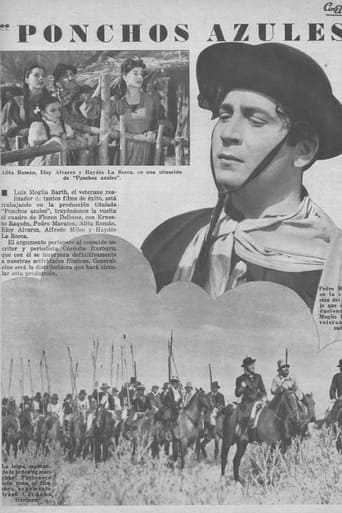 Ponchos azules · 1942
Ponchos azules
★ 10.01942
Movie
 Cruza · 1942
Cruza
★ 10.01942
MovieDrama
The young daughter of a murdered rancher takes possession of her lands in Patagonia and must fight criminals alongside a teacher.
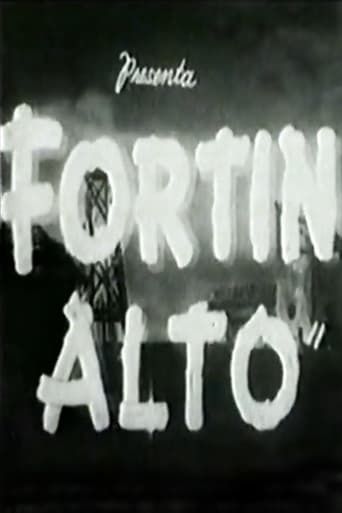 Fortín alto · 1941
Fortín alto
1941
Movie
Set in 1874, the son of a mitrista accompanies a herd of cattle whose sale will allow to buy weapons.
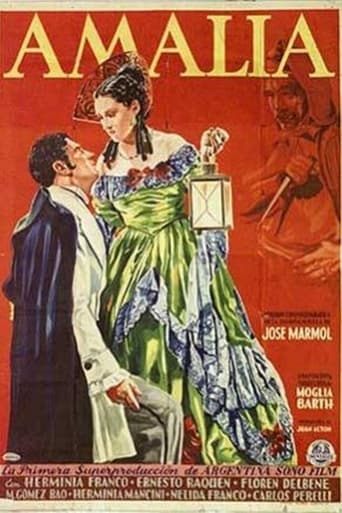 Amalia · 1936
Amalia
★ 10.01936
MovieDramaRomance
The romance between Amalia Sáenz de Olabarrieta –a widow living in Buenos Aires– and the young Unitarian Eduardo Belgrano. Based on the novel by José Mármol.
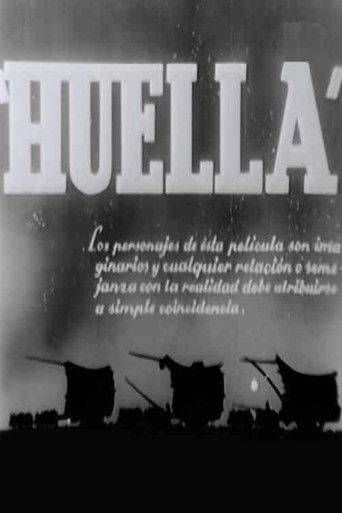 Huella · 1940
Huella
★ 10.01940
MovieDramaHistory
In 1840, a caravan of carts headed from Buenos Aires to Córdoba carrying merchandise, ammunition and prisoners, against the background of the struggles between the Unitarians and the Federalists.
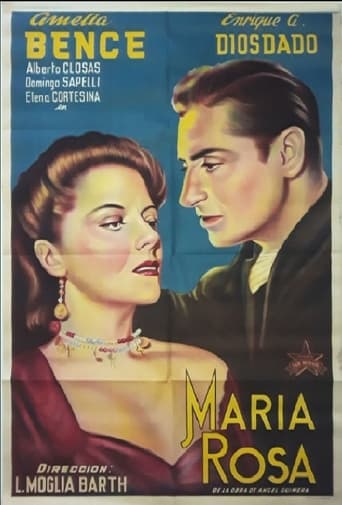 María Rosa · 1946
María Rosa
★ 7.51946
MovieDrama
A woman who misses her husband, who died in prison, is disputed between wine growers.
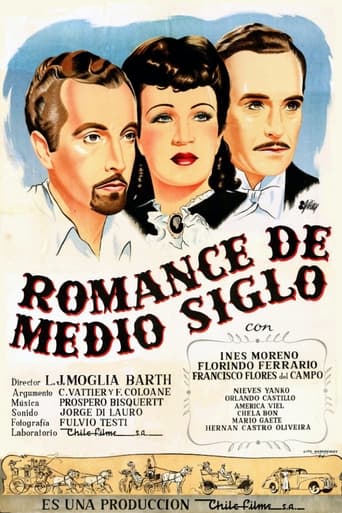 Romance de medio siglo · 1944
Romance de medio siglo
★ 8.01944
MovieHistoryDrama
A love story in the midst of historical accidents in Chile, through the revolution of 1891, the Valparaiso earthquake of 1906, the centenary celebrations of 1910 to the present, in 1944.
 La doctora Castañuelas · 1950
La doctora Castañuelas
★ 7.01950
MovieMusicComedy
Love will reveal the double life of a woman who is a scientist by day and a singer by night.
Filmography
Sort