M
Sound
Masahiko Togashi
No biography available.
Known For
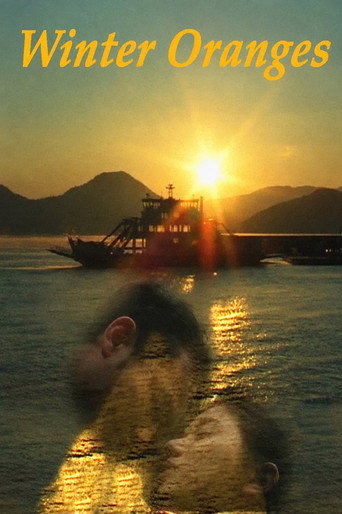 Winter Oranges · 2000
Winter Oranges
★ 9.02000
Movie
A resident (Ryuki "Duke" Tenmaya) of a small Japanese island dreams of leaving his wife, heading to Tokyo and pursuing an acting career.
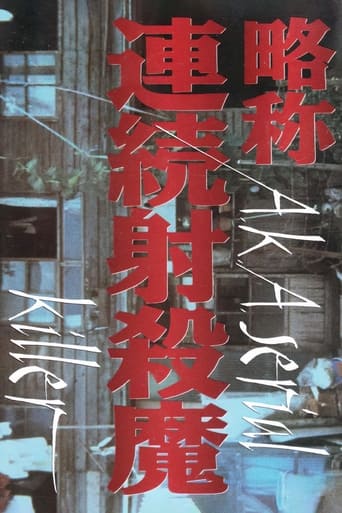 A.K.A. Serial Killer · 1975
A.K.A. Serial Killer
★ 5.71975
MovieCrimeDocumentary
AKA Serial Killer documents the social upheaval and political oppression that roiled Japan in the 1960s, profiling a nineteen-year-old serial killer Norio Nagayama. An indictment of media sensationalism, the film humanizes the young man by situating his crimes in the larger context of his environment.
 Bastard on the Border · 1976
Bastard on the Border
1976
MovieDocumentary
The United States celebrates its bicentennial. The film depicts the history of a rebellious nation that has been overshadowed by the authentic history of the U.S., including slums, Vietnam veterans, incarcerated Nikkei, and indigenous peoples.
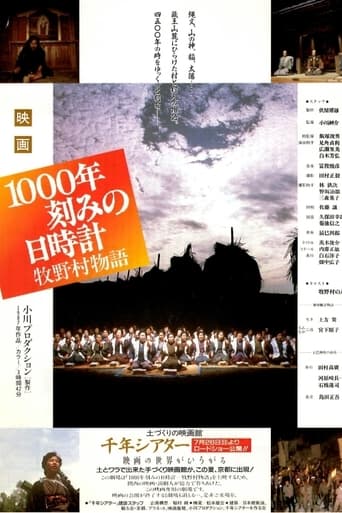 Magino Village: A Tale · 1987
Magino Village: A Tale
★ 6.81987
MovieDocumentaryDrama
The movie compiles footage taken by Ogawa Production for a period of more than ten years after the collective moved to Magino village. Unique to this film are fictional reenactments of the history of the village in the sections titled "The Tale of Horikiri Goddess" and "The Origins of Itsutsudomoe Shrine". Ogawa combines all the techniques that were developed in his previous films to simultaneously express multiple layers of time—the temporality of rice growing and of human life, personal life histories, the history of the village, the time of the Gods, and new time created through theatrical reenactment—bring them into a unified whole. The faces of the Magino villagers appear in numerous roles transcending time and space—sometimes as individuals, sometimes as people who carry the history of the village in their memories, sometimes as storytellers reciting myths, and even as members of the crowd in the fictional sequences.
 Good-bye Moscow · 1968
Good-bye Moscow
★ 7.01968
MovieDrama
Ex-jazz pianist turned promoter finds he is successful, but empty. When an entrepreneur sends him to Moscow with a jazz combo, he falls in with the dissident youth of the city, and again finds life empty.
Filmography
Sort