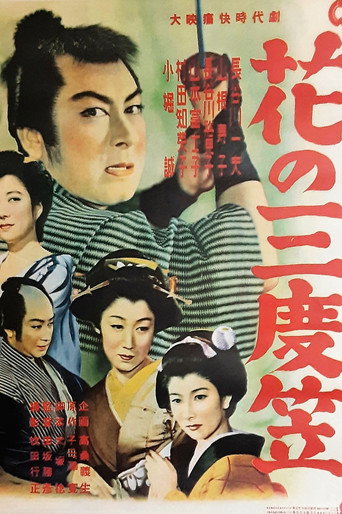
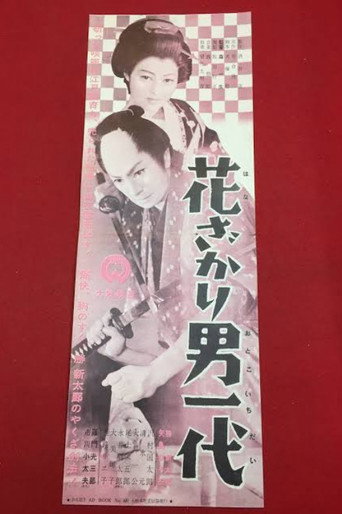
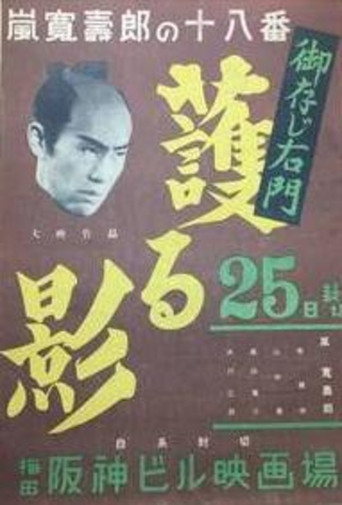
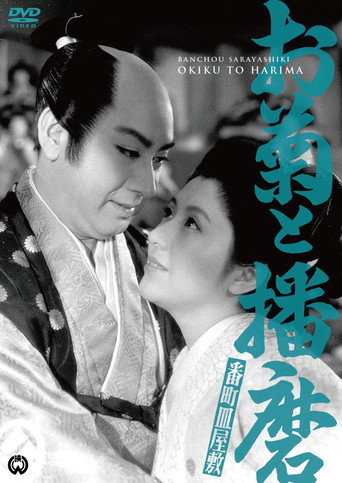
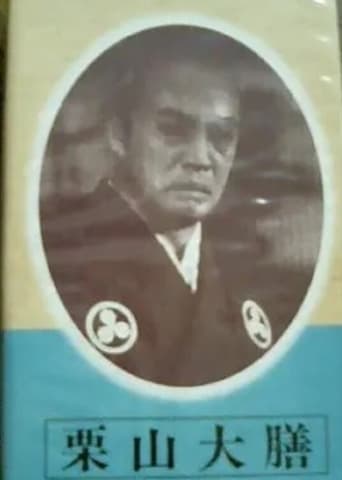
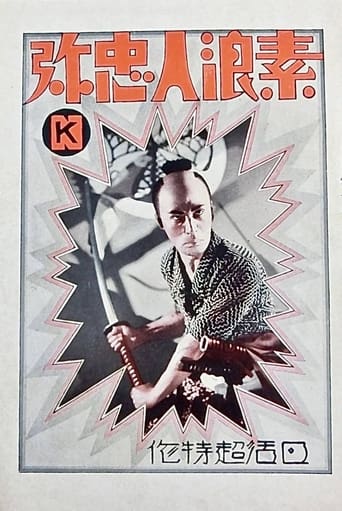
S Acting Shunzaburo Iba Born November 28, 1903 (age 122) No biography available. ↗ Share Known For‹Hana no sando gasa · 1954Hana no sando gasa1954Movie▶+Hanazakari otoko ichidai · 1955Hanazakari otoko ichidai1955Movie▶+Gozonji Umon: Mamoru kage · 1943Gozonji Umon: Mamoru kage1943MovieDramaMysteryA thrilling period drama featuring Kondo Umon’s detective exploits.▶+A Samurai's Love · 1954A Samurai's Love★ 8.01954MovieHorrorDramaA film about the Ghost of Okiku that's based on the kabuki play Bancho Sarayashiki.▶+Kuriyama Daizen · 1936Kuriyama Daizen1936MovieHistoryPrewar jidaigeki starring Denjiro Okochi▶+Blood Spilled at Takadanobaba · 1937Blood Spilled at Takadanobaba★ 7.01937MovieActionComedyThe tale of Nakayama Yasubei’s duel is famous, even if he in reality probably did not cut down 18 opponents. The story has been related in film, rakugo, kodan and on stage many times, in part because Nakayama later joined the famous 47 Ronin (Chushingura) as Horibe Yasubei. But Makino and Inagaki’s version gives no hint of this more serious future, playing up the thrills and the comedy with Bando’s bravura performance. The multiple pans of Yasubei running to the duel are an exemplar of the experimental flourishes of 1930s Japanese cinema and the final duel, performed virtually like a dance number, is a marker of Makino’s love of rhythm and one of the best sword fights in Japanese film history. The film was originally released under the title Chikemuri Takadanoba (Bloody Takadanobaba) with a length of 57 minutes, but suffered some cuts and a title change when it was re-released in 1952.▶+Suronin Chuya · 1930Suronin Chuya1930Movie▶+› FilmographySortPopularNewestTop ratedHana no sando gasa · 1954Hana no sando gasa1954Movie▶+Hanazakari otoko ichidai · 1955Hanazakari otoko ichidai1955Movie▶+Gozonji Umon: Mamoru kage · 1943Gozonji Umon: Mamoru kage1943MovieDramaMysteryA thrilling period drama featuring Kondo Umon’s detective exploits.▶+A Samurai's Love · 1954A Samurai's Love★ 8.01954MovieHorrorDramaA film about the Ghost of Okiku that's based on the kabuki play Bancho Sarayashiki.▶+Kuriyama Daizen · 1936Kuriyama Daizen1936MovieHistoryPrewar jidaigeki starring Denjiro Okochi▶+Iba ShunzaburoBlood Spilled at Takadanobaba · 1937Blood Spilled at Takadanobaba★ 7.01937MovieActionComedyThe tale of Nakayama Yasubei’s duel is famous, even if he in reality probably did not cut down 18 opponents. The story has been related in film, rakugo, kodan and on stage many times, in part because Nakayama later joined the famous 47 Ronin (Chushingura) as Horibe Yasubei. But Makino and Inagaki’s version gives no hint of this more serious future, playing up the thrills and the comedy with Bando’s bravura performance. The multiple pans of Yasubei running to the duel are an exemplar of the experimental flourishes of 1930s Japanese cinema and the final duel, performed virtually like a dance number, is a marker of Makino’s love of rhythm and one of the best sword fights in Japanese film history. The film was originally released under the title Chikemuri Takadanoba (Bloody Takadanobaba) with a length of 57 minutes, but suffered some cuts and a title change when it was re-released in 1952.▶+TenganSuronin Chuya · 1930Suronin Chuya1930Movie▶+