C
Camera
Christian Lehmann
No biography available.
Known For
 Eine Sommerreise · 1969
Eine Sommerreise
1969
MovieDocumentary
Documentary with beautiful black-and-white CinemaScope shots, which combined impressive scenes from a trip to the Ukraine with historical reminiscences. The censors criticized the "too narrow and too intimate view" of the Soviet Union; they didn't like the fact that bells were ringing, that a chauffeur from the film crew or an elderly peasant couple recalled the horrors of war or that Nikolai Gogol and Yevgeny Yevtushenko were quoted - that was considered backward-looking. Without the knowledge of the filmmakers Karlheinz Mund and Christian Lehmann, the film was shortened and mutilated; the seventeen minutes that were allowed for a public screening are only the torso of a large draft.
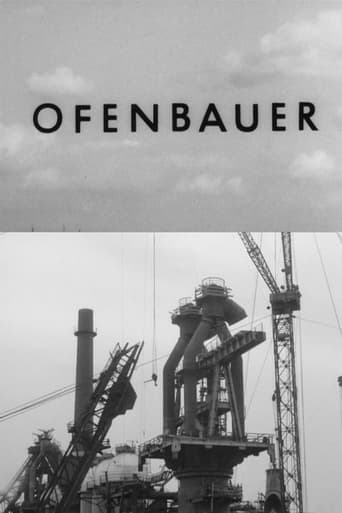 Furnace Builders · 1962
Furnace Builders
★ 6.31962
MovieDocumentary
At the Eisenhüttenkombinat Ost an der Oder, a new blast furnace is being moved to replace a burnt-out one. 2000 tons have to be moved 18 meters: Three times we hear it in the commentary. Master Klaus is now in command. His orders are to be obeyed at all costs. Men at work: tense faces, examining hands, the sound of screeching winds and steel cables stretched to breaking point. Everything is going well, and it is a new best performance: The downtime of the plant has been reduced from 80 to 40 days, the commentary says.
 Aschermittwoch · 1989
Aschermittwoch
1989
MovieDocumentary
Sketches from a store cashier's everyday life.
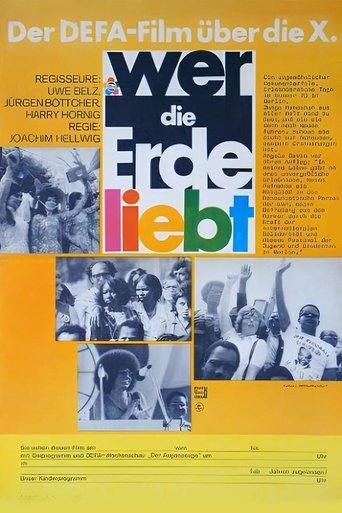 Who Loves the Earth · 1974
Who Loves the Earth
★ 6.31974
MovieDocumentary
A DEFA documentary celebrating the 10th World Festival of Youth and Students, held in East Berlin in the summer of 1973. Blending reportage with staged elements, it presents the festival as a showcase of international solidarity, culture, and socialist ideals.
 Chronos - Flow of Time · 2026
Chronos - Flow of Time
2026
MovieDocumentary
Tracing biographical lines, Volker Koepp steps into his oeuvre, rich in encounters. Returning to Lithuania, Moldova and Chernivtsi, he looks back and brings things up to date, as the war against Ukraine becomes a determining element of the present. Epic.
 Zoo Film · 1968
Zoo Film
★ 8.01968
MovieDocumentary
This black and white documentary film reports from the Berlin Zoo, located in the Friedrichsfelde district of the Lichtenberg district, was opened in 1955 and is the largest landscape animal garden in Europe with an area of 160 hectares. With shots worth seeing, you can experience the animals in their enclosures and spacious free running areas. The film gets along completely without commentary and directs the concentrated view to hippos, parrots, camels, red deer, bison, llamas, kangaroos, rhinoceroses; lynxes, birds, leopards, tigers, lions, polar bears and crocodiles.
 Spielplatz · 1966
Spielplatz
1966
MovieDocumentary
Impressions of a playground in Berlin. It is also the playing field of the elderly chess and card players - counterpoint to the argument of isolation and emptiness in old age.
 Brecht Dialog · 1968
Brecht Dialog
1968
MovieDocumentary
For the 70th anniversary of Bertolt Brecht’s birth, international Brecht experts, including directors Giorgio Strehler, Benno Besson and Juri Ljubimov, got together for a one-week Brecht Dialog at the Berliner Ensemble on Schiffbauerdamm. Participants discussed the contemporary role of Brecht, nationally and internationally; Brecht’s directorial methods; the collaboration between director and actor; and the theater ensemble’s role in society. Actress and Berliner Ensemble director Helene Weigel gave the final keynote, emphasizing the political role of theater. This short film features scenes from Brecht’s model staging of Mr. Puntila and His Man Matti, played by students at the Schauspielschule Berlin, from the Berliner Ensemble staging of Coriolanus; and from The Exception and the Rule, played by Berlin-based Arab lay actors under the direction of Syrian director Chérif Khaznadar.
Filmography
Sort
Aschermittwoch · 1989Aschermittwoch
1989
MovieDocumentary
Sketches from a store cashier's everyday life.
Cinematography
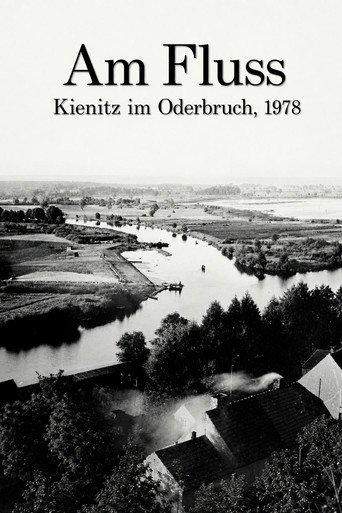 At the River · 1979
At the River
★ 8.01979
MovieDocumentary
A documentary about the village Kienitz at the river Oder, about the people, their life, their history.
Director of Photography

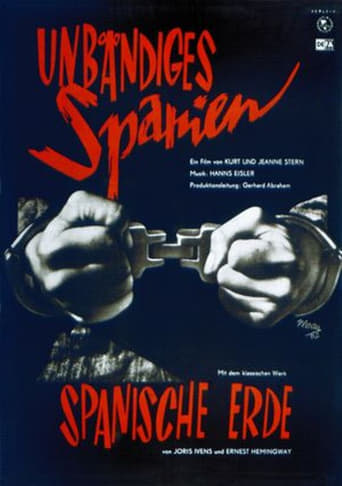 Unbändiges Spanien · 1962
Unbändiges Spanien
1962
MovieDocumentary
Documentary film about the Spanish Civil War.
Cinematography
 The Case of H. and Eight Others · 1973
The Case of H. and Eight Others
1973
MovieDocumentary
Documentary about juvenile delinquency in East Germany.
Director of Photography
 Even Today He’d Speak His Mind · 1975
Even Today He’d Speak His Mind
★ 7.01975
MovieDocumentary
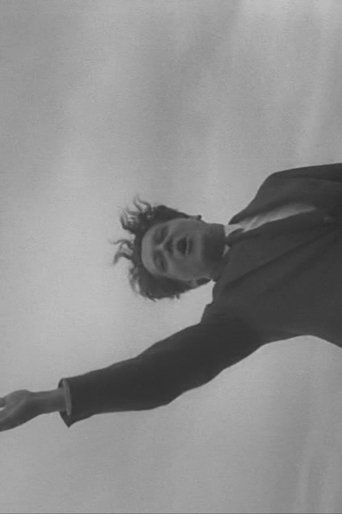
Documentary about the German poet Erich Weinert.
Director of Photography