Acting
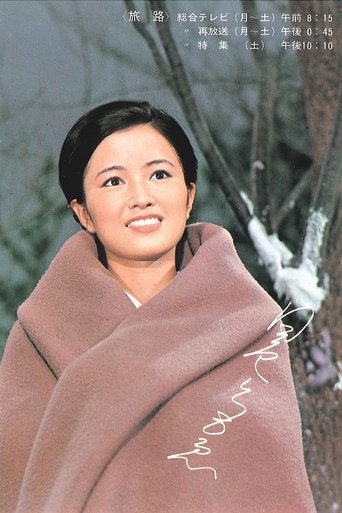
Hatae Kishi
Born February 16, 1927 · Simidzu, Shizuoka Prefecture, Empire of Japan [now Shizuoka, Shizuoka Prefecture, Japan]
Died November 17, 2008 · aged 81
No biography available.
Known For
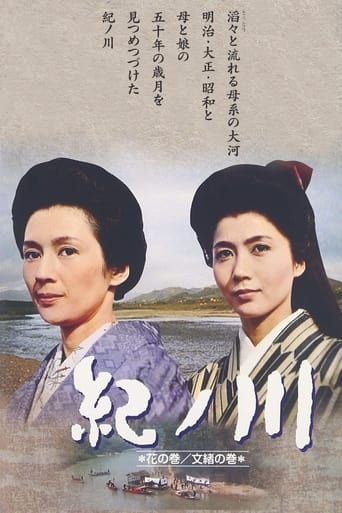
The Kii River · 1966The Kii River
★ 7.51966
MovieDrama
Epic saga of an idealistic land-owning family dealing with militarism, war, social change and economic reform.
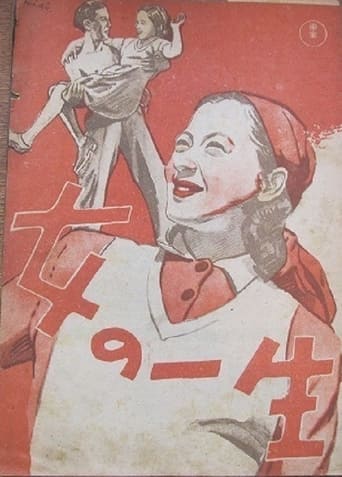
Hiroshima · 1953Hiroshima
★ 7.51953
MovieDramaHistory
Historical fiction about the aftermath of the atomic bombing of Hiroshima, Japan, on 6 August 1945, and its effects on various civilians, especially children, of that city.
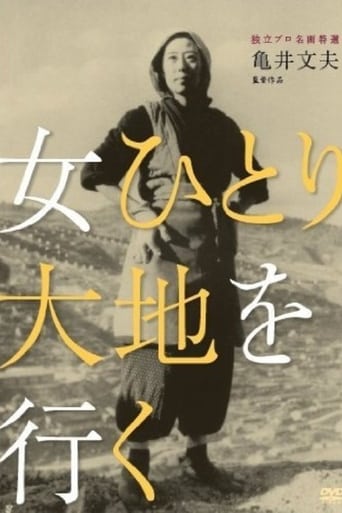
A Lonely Woman in a Lonely Land · 1953A Lonely Woman in a Lonely Land
★ 7.01953
MovieDrama
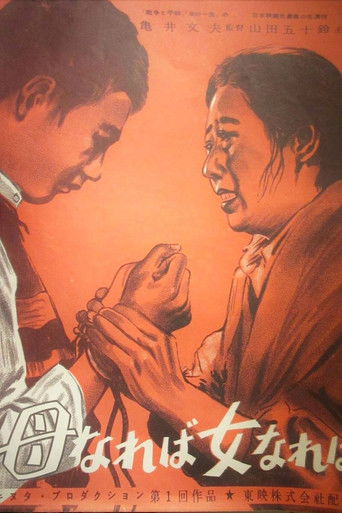
Onna Hitori Daichi wo Yuku (A Lonely Woman in a Lonely Land, Kinuta Production, 1953) was the second feature film directed by Kamei Fumio, who is known as a master of documentary films, and followed his “Haha Nareba Onna Nareba(Become a Mother, Become a Woman)” (1952).
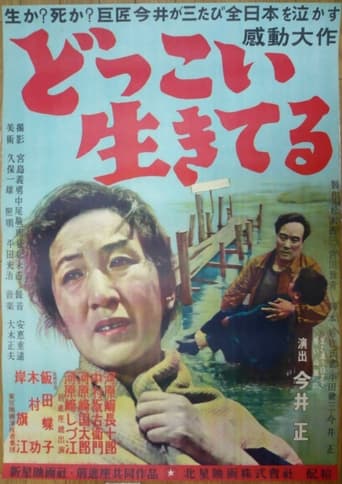
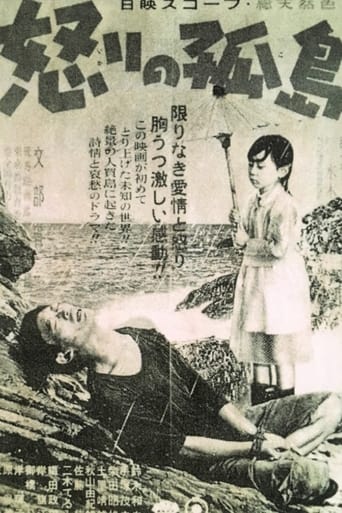
August 15, 1945, New Dawn For Japan · 1952August 15, 1945, New Dawn For Japan
1952
MovieWar
July 1945. War‑exhausted Japan groans under the heel of a brutal military regime. Young journalist Saeki struggles to cling to a fading sense of justice. Writer Yoshida slowly loses his convictions to the darkness of unquestioning orders. Kimiko, a young woman, bears the scars of cruelty from the cold‑hearted military police. Private Yamada has deserted the army. His wife, Ryōko, is branded a traitor's wife and relentlessly hunted. When Yamada finally reaches home, he finds his sick child Toshiko lying in bed. The military police drag him away in front of his family; a struggle ensues, and Yamada is shot dead before his wife's eyes. Hiroshima is annihilated by an atomic bomb. Rumors spread of a final decisive battle on the mainland. The people clutch bamboo spears with gaunt hands. Then August 15th arrives: Japan's defeat is laid bare before the stunned populace.
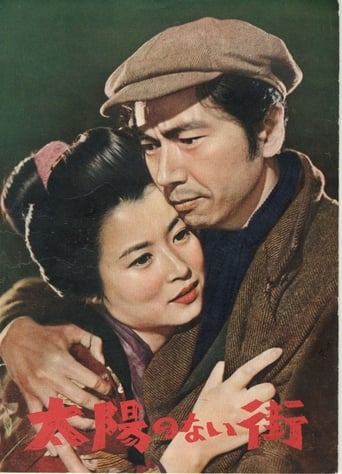
The Street Without Sun · 1954The Street Without Sun
★ 7.01954
MovieDrama
Based on the novel by proletarian writer Sunao Tokunaga. The story is about a long strike by workers at a large printing house and the strikers' steadfastness, which neither hunger nor violence could break. The heroine of this story actively participates in her colleagues' struggle against layoffs, oppression, and police brutality.
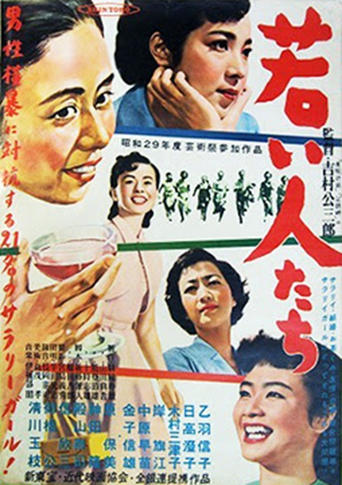
Wakai hito-tachi · 1954Wakai hito-tachi
★ 8.01954
Movie
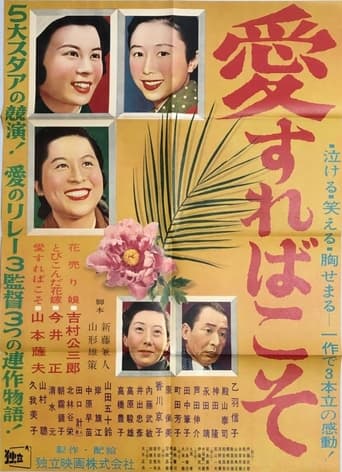
If Indeed One Loves · 1955If Indeed One Loves
★ 10.01955
MovieDrama
The film consists of three short stories. Tomiko, the heroine of the first story, "The Flower Girl" (dir. Kozaburo Yoshimura), is a little girl who bears the unbearable burden of caring for her family. Tomiko's father has been unable to find work for a long time, and her older sister is terminally ill—it is unlikely that she will ever recover. To feed her family, Tomiko runs around the city from morning until late at night selling flowers... The second novella (dir. Tadashi Imai) also depicts the lives of the poor. An unfamiliar girl brings young Kavano a letter from his mother. It turns out that the girl's name is Kuniko, she is very hardworking, but her family is dying of hunger. Therefore, her mother decided to send Kuniko to her son so that he would marry her. The short story is called "The Unexpected Bride." The third short story, which gave the film its title, is particularly interesting: "When You Love" (dir. Satsuo Yamamoto). It shows the family of a young peace activist.
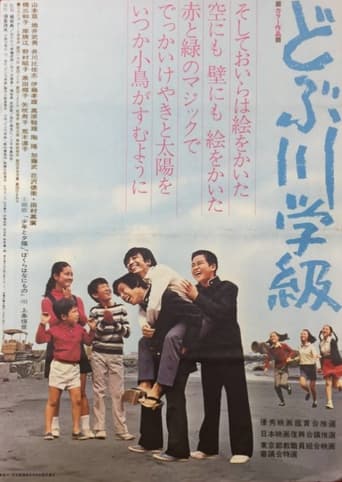
The Class of the Sewage Canal · 1972The Class of the Sewage Canal
1972
MovieDrama
The struggle of a young man and boys who try to create the environment where they can speak their minds freely.
Movies
The Kii River · 1966The Kii River
★ 7.51966
MovieDrama
Epic saga of an idealistic land-owning family dealing with militarism, war, social change and economic reform.
Hiroshima · 1953Hiroshima
★ 7.51953
MovieDramaHistory
Historical fiction about the aftermath of the atomic bombing of Hiroshima, Japan, on 6 August 1945, and its effects on various civilians, especially children, of that city.
A Lonely Woman in a Lonely Land · 1953A Lonely Woman in a Lonely Land
★ 7.01953
MovieDrama
Onna Hitori Daichi wo Yuku (A Lonely Woman in a Lonely Land, Kinuta Production, 1953) was the second feature film directed by Kamei Fumio, who is known as a master of documentary films, and followed his “Haha Nareba Onna Nareba(Become a Mother, Become a Woman)” (1952).
August 15, 1945, New Dawn For Japan · 1952August 15, 1945, New Dawn For Japan
1952
MovieWar
July 1945. War‑exhausted Japan groans under the heel of a brutal military regime. Young journalist Saeki struggles to cling to a fading sense of justice. Writer Yoshida slowly loses his convictions to the darkness of unquestioning orders. Kimiko, a young woman, bears the scars of cruelty from the cold‑hearted military police. Private Yamada has deserted the army. His wife, Ryōko, is branded a traitor's wife and relentlessly hunted. When Yamada finally reaches home, he finds his sick child Toshiko lying in bed. The military police drag him away in front of his family; a struggle ensues, and Yamada is shot dead before his wife's eyes. Hiroshima is annihilated by an atomic bomb. Rumors spread of a final decisive battle on the mainland. The people clutch bamboo spears with gaunt hands. Then August 15th arrives: Japan's defeat is laid bare before the stunned populace.
The Street Without Sun · 1954The Street Without Sun
★ 7.01954
MovieDrama
Based on the novel by proletarian writer Sunao Tokunaga. The story is about a long strike by workers at a large printing house and the strikers' steadfastness, which neither hunger nor violence could break. The heroine of this story actively participates in her colleagues' struggle against layoffs, oppression, and police brutality.
Wakai hito-tachi · 1954Wakai hito-tachi
★ 8.01954
Movie
If Indeed One Loves · 1955If Indeed One Loves
★ 10.01955
MovieDrama
The film consists of three short stories. Tomiko, the heroine of the first story, "The Flower Girl" (dir. Kozaburo Yoshimura), is a little girl who bears the unbearable burden of caring for her family. Tomiko's father has been unable to find work for a long time, and her older sister is terminally ill—it is unlikely that she will ever recover. To feed her family, Tomiko runs around the city from morning until late at night selling flowers... The second novella (dir. Tadashi Imai) also depicts the lives of the poor. An unfamiliar girl brings young Kavano a letter from his mother. It turns out that the girl's name is Kuniko, she is very hardworking, but her family is dying of hunger. Therefore, her mother decided to send Kuniko to her son so that he would marry her. The short story is called "The Unexpected Bride." The third short story, which gave the film its title, is particularly interesting: "When You Love" (dir. Satsuo Yamamoto). It shows the family of a young peace activist.
The Class of the Sewage Canal · 1972The Class of the Sewage Canal
1972
MovieDrama
The struggle of a young man and boys who try to create the environment where they can speak their minds freely.
Still I Live On · 1951Still I Live On
★ 6.01951
MovieDrama
About the struggles of day labourers to achieve dignity and a standard of living above the starvation level. Utilising the Zenshinza theatrical troupe.
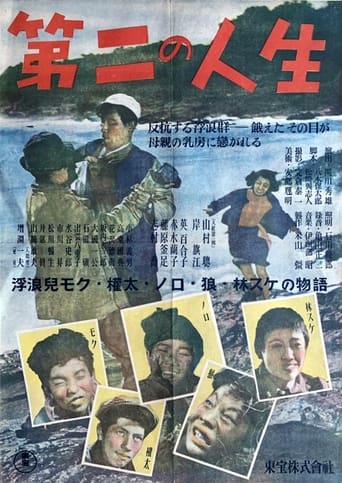
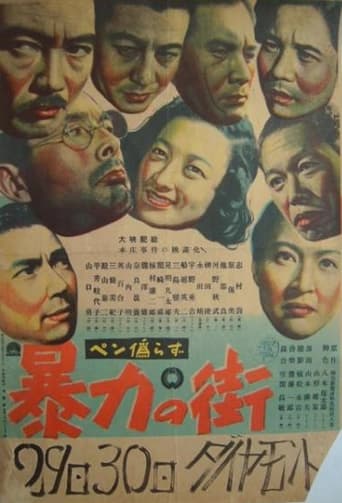
Town of Violence · 1950Town of Violence
★ 6.51950
MovieDramaCrime
An attempt is made to suppress a journalist's investigation of collusion between a rural police chief and the local gangster bosses.
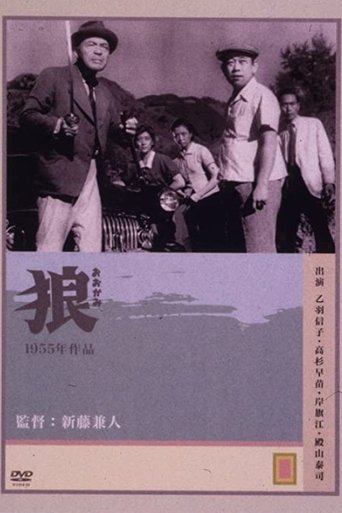
The Wolves · 1955The Wolves
★ 6.91955
MovieDramaCrime
A group of five rookie insurance salespersons, driven to desperation by the impossibility of their work in Japan's failing postwar economy, form a plan to rob a cash delivery truck in order to provide for their families.
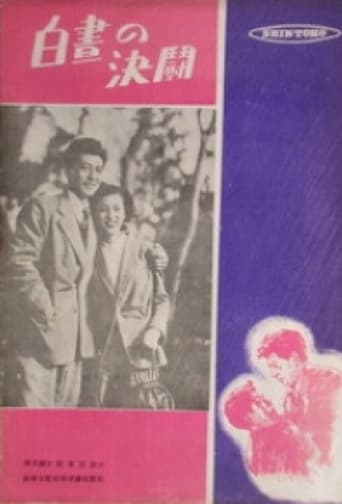
Duel in the Sun · 1950Duel in the Sun
1950
MovieDrama
A film by Kiyoshi Saeki