Sky Hopinka

Directing

Sky Hopinka

Born January 1, 1984 · Ferndale, Washington, USA (age 42)

Sky Hopinka is currently an MFA candidate at the University of Wisconsin Milwaukee in film, video, and new genres. He is learning his tribal heritage language, Hočak, and working on various video projects that stem from ideas of contemporary indigenous linguistic concepts, identity, and representational imagery.

Known For

Powwow PeoplePowwow People · 2025
Powwow People
2025
MovieDocumentary
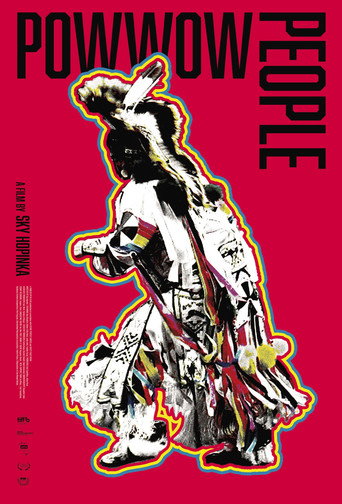
Powwow People is a portrait of a powwow and its participants.
Aanikoobijigan [ancestor/great-grandparent/great-grandchild]Aanikoobijigan [ancestor/great-grandparent/great-grandchild] · 2026
Aanikoobijigan [ancestor/great-grandparent/great-grandchild]
2026
MovieDocumentary
Trapped in museum archives, Ancestors bend time and space to find their way home. History, spirituality, and the law collide as tribal repatriation specialists fight to return and rebury Indigenous human remains, offering a revealing look at the still-pervasive worldviews that justified collecting them in the first place.
OuroborosOuroboros · 2017
Ouroboros
5.02017
MovieDocumentary
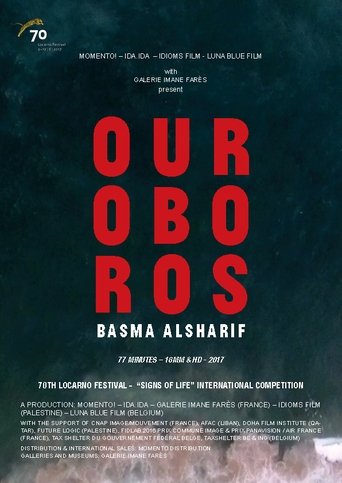
This film is an homage to the Gaza Strip and to the possibility of hope beyond hopelessness. Ouroboros, the symbol of the snake eating its tail, is both end and beginning: death as regeneration. A 74-minute experimental narrative film that turns the destruction of Gaza into a story of heartbreak, Ouroboros asks what it means to be human when humanity has failed. Taking the form of a love story, the film's central character is Diego Marcon, a man who embarks on a circular journey to shed his pain only to experience it, again and again. In the course of a single day, his travel fuses together Native American territories, the ancient Italian city of Matera, a castle in Brittany, and the ruins of the Gaza Strip into a single landscape.
Dislocation BluesDislocation Blues · 2017
Dislocation Blues
5.82017
MovieDocumentary
Filmed during the 2016 Standing Rock protests in South Dakota, Sky Hopinka's Dislocation Blues offers a portrait of the movement and its water protectors, refuting grand narratives and myth-making in favour of individual testimonials.
LoreLore · 2020
Lore
7.02020
Movie
Images of landscapes are cut and fragmented, as a hand guides their shape and construction. The voice tells a story about a not too distant past, and elements of nostalgia are assembled in terms of lore.
Anti-Objects, or Space Without Path or BoundaryAnti-Objects, or Space Without Path or Boundary · 2017
Anti-Objects, or Space Without Path or Boundary
7.02017
MovieDocumentary
The title of this video, taken from the texts of the architect Kengo Kuma, suggests a way of looking at everything as “interconnected and intertwined” - such as the historical and the present and the tool and the artifact. Images and representations of two structures in the Portland Metropolitan Area that have direct and complicated connections to the Chinookan people who inhabit(ed) the land are woven with audio tapes of one of the last speakers of chinuk wawa, the Chinookan creole. These localities of matter resist their reduction into objects, and call anew for space and time given to wandering as a deliberate act, and the empowerment of shared utility.
maɬni—towards the ocean, towards the shoremaɬni—towards the ocean, towards the shore · 2020
maɬni—towards the ocean, towards the shore
5.02020
MovieDocumentary
An experimental look at the origin of the death myth of the Chinookan people in the Pacific Northwest, following two people as they navigate their own relationships to the spirit world and a place in between life and death.
Fainting SpellsFainting Spells · 2018
Fainting Spells
5.52018
Movie
Told through recollections of youth, learning, lore, and departure, this is an imagined myth for the Xąwįska, or the Indian Pipe Plant - used by the Ho-Chunk to revive those who have fainted.
Filmography

Sort
OuroborosOuroboros · 2017
Ouroboros
5.02017
MovieDocumentary
This film is an homage to the Gaza Strip and to the possibility of hope beyond hopelessness. Ouroboros, the symbol of the snake eating its tail, is both end and beginning: death as regeneration. A 74-minute experimental narrative film that turns the destruction of Gaza into a story of heartbreak, Ouroboros asks what it means to be human when humanity has failed. Taking the form of a love story, the film's central character is Diego Marcon, a man who embarks on a circular journey to shed his pain only to experience it, again and again. In the course of a single day, his travel fuses together Native American territories, the ancient Italian city of Matera, a castle in Brittany, and the ruins of the Gaza Strip into a single landscape.

Voiceover

Anti-Objects, or Space Without Path or BoundaryAnti-Objects, or Space Without Path or Boundary · 2017
Anti-Objects, or Space Without Path or Boundary
7.02017
MovieDocumentary
The title of this video, taken from the texts of the architect Kengo Kuma, suggests a way of looking at everything as “interconnected and intertwined” - such as the historical and the present and the tool and the artifact. Images and representations of two structures in the Portland Metropolitan Area that have direct and complicated connections to the Chinookan people who inhabit(ed) the land are woven with audio tapes of one of the last speakers of chinuk wawa, the Chinookan creole. These localities of matter resist their reduction into objects, and call anew for space and time given to wandering as a deliberate act, and the empowerment of shared utility.

Director of Photography

He Who Wears Faces on His EarsHe Who Wears Faces on His Ears
He Who Wears Faces on His Ears
Movie
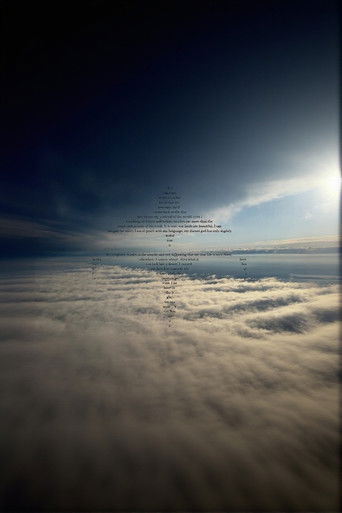
He Who Wears Faces on His Ears, Sky Hopinka (2025) The piece moves through Indigenous mythologies and the ways they echo across present-day landscapes, surfacing as quiet and persistent currents. Drawing from the Ho-Chunk story of Red Horn (also known as He Who Wears Faces on His Ears) it circles the thresholds between human and spirit realms, attending to the cyclical routes that pattern myth, memory, and language. Its gestures orbit cloud, text, and road, where language folds into atmosphere and re-emerges as shifting trace. Figures and places double and invert; images drift toward and away from legibility. Voices gather in a loose polyphony, touching the presences that shape how place is sensed and understood. What emerges is less a narrative than a return, an ongoing movement through stories that persist across time. Calligram text from Yves Bonnefoy’s The Arrière-Pays Music by Thad Kellstadt Additional Music by Wisconsin Dells Singers

Director