T
Sound
Takehisa Kosugi
Born March 24, 1938 · Tokyo, Japan
Died October 12, 2018 · aged 80
Takehisa Kosugi was a Japanese composer. In 1969, Kosugi formed the Taj Mahal Travellers.
Known For
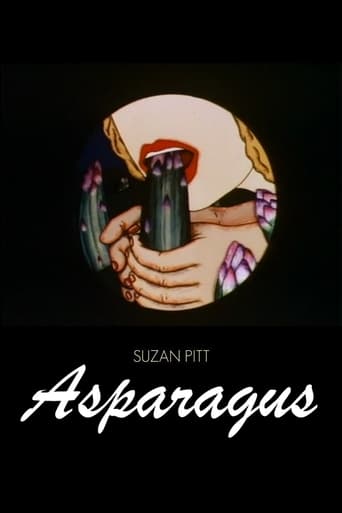 Asparagus · 1979
Asparagus
★ 6.51979
MovieAnimation
A symbolic reflection on issues of female sexuality, art and identity constructs.
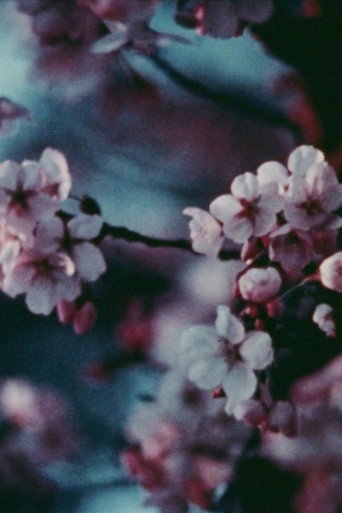 Cherry Blossoms · 1975
Cherry Blossoms
1975
Movie
Shot on 16mm film, this experimental piece is inspired by a short story by Ango Sakaguchi about a doomed romance set against the backdrop of blooming cherry trees. Michishita dispenses with the lovers and retains only the cherry blossoms. Caught from every angle, they bloom and fall, communicating a sense of enrapturement with this local and eternal cycle. The music is by Toshi Ichiyanagi, a major figure in postwar Japanese music.
 Junk · 1962
Junk
1962
Movie
"It's a mixture of [dead] animals, pieces of [broken] furniture, industrial waste, kids playing. I didn't have in mind any of the kind of historical perspective, nor was I trying to make an ecological statement. I was showing the new landscape of our civilization. My point of view was animistic. I tried to revive those dead animals metaphorically and to give the junk new life."
 MA: Space/Time in the Garden of Ryoan-ji · 1989
MA: Space/Time in the Garden of Ryoan-ji
★ 9.01989
Movie
The early sixteenth-century Japanese garden in the Zen temple of Ryoan-ji, in Kyoto, is considered a masterpiece of the karesansui or "dry landscape" style... In this film, the viewer is invited to experience the garden as an embodiment of ma, a Japanese concept that conveys both time and space... The aesthetic of the film is the message, it has the quality of an experimental film, a conceptual film-an artwork in itself. Good balance of music/visuals/titles. If not as compelling for some viewers as for others, still rated as very effective. Makes one want to visit the actual garden and experience its spiritual energy. – Art on Screen
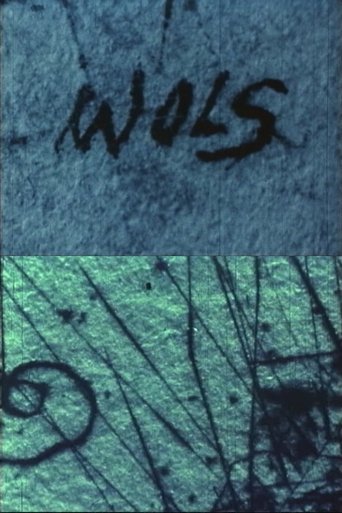 Wols · 1965
Wols
1965
Movie
Wols is the pseudonym for a German artist active in the early 20th century, Alfred Otto Wolfgang Schulze, and Jonouchi meticulously filmed nearly fifty of his paintings to construct this cine-collage. The result is reminiscent of Alain Resnais’ rendition of Pablo Picasso’s Guernica, as both filmed interpretations refuse to provide the viewer with a full picture of the paintings, instead fragmenting and splintering the frame.
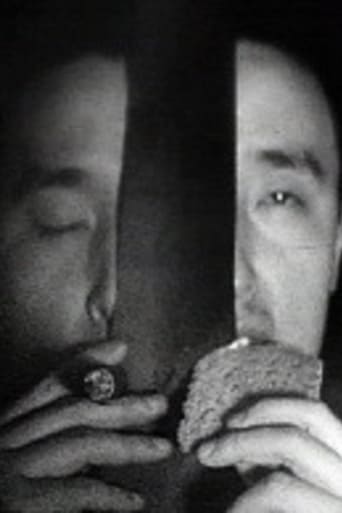 Cinema Metaphysique No. 1-5 · 1972
Cinema Metaphysique No. 1-5
1972
Movie
This early work belongs in the company of Paik and Yalkut's classic collaborative "video-films," including Video Tape Study No. 3, Beatles Electronique, and Missa of Zen. To the accompaniment of the abrupt sonic interjections of Fluxus-affiliated composer Takehisa Kosugi, Yalkut's black and white film records brief, masked actions: an arm with clenching fist; a pair of faces, visible only about the eyes, which squint, gaze, and rest; Paik eating a slice of bread. Reminiscent of Beckett's theater, as well as the minimal movements of 1960s avant-garde dance, Cinéma Metaphysique is a study in gesture and stillness, noise and silence.
 Dialogue with the White Shadow · 1963
Dialogue with the White Shadow
1963
Movie
Experimental film directed by Minao Kitamura
 TM · 1974
TM
1974
Movie
Takehisa Kosugi’s first film, made for the first 100 Feet Film Festival organized by Image Forum in 1974.
Filmography
Sort