Directing
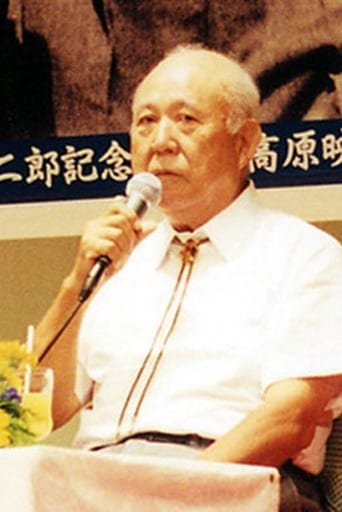
Buichi Saitō
Born January 27, 1925 · Chichibu, Saitama Prefecture, Japan
Died January 1, 2011 · aged 85
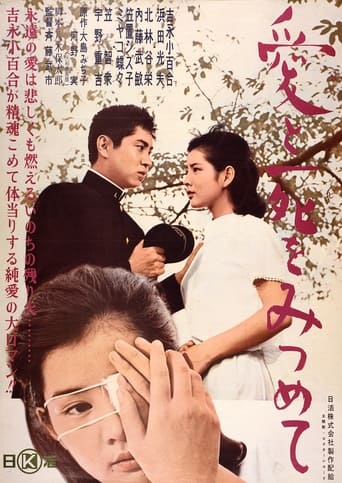
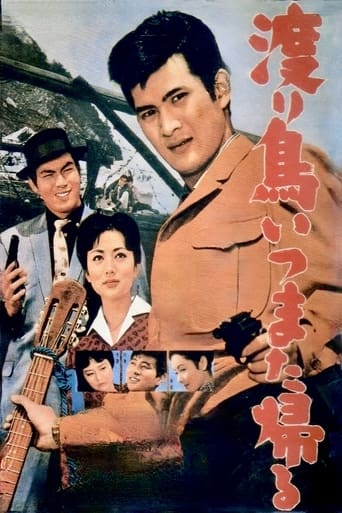
Buichi Saitō was a Japanese film director from Saitama Prefecture. His representative works included Wataridori series starring Akira Kobayashi, Farewell to Southern Tosa and Gazing at Love and Death. Saitō often worked with Akira Kobayashi, Joe Shishido and Sayuri Yoshinaga.
Known For
 Late Spring · 1949
Late Spring
★ 8.01949
MovieDrama
Noriko is perfectly happy living at home with her widowed father, Shukichi, and has no plans to marry -- that is, until her aunt Masa convinces Shukichi that unless he marries off his 27-year-old daughter soon, she will likely remain alone for the rest of her life. When Noriko resists Masa's matchmaking, Shukichi is forced to deceive his daughter and sacrifice his own happiness to do what he believes is right.
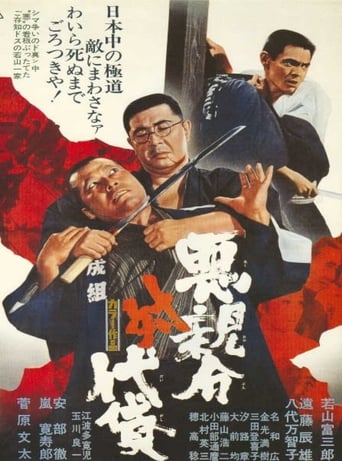
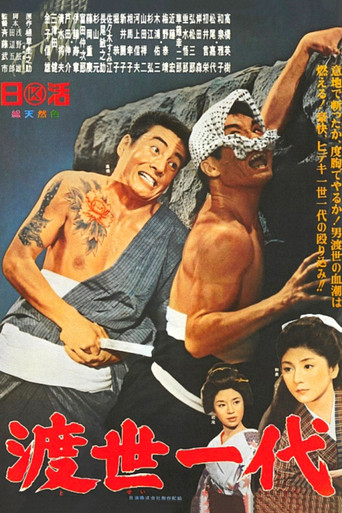 Chivalrous Life · 1965
Chivalrous Life
1965
MovieCrimeDrama
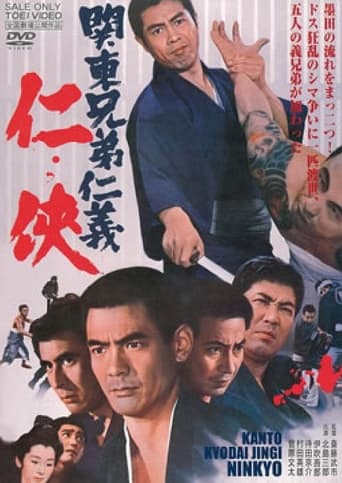
In the middle of the era, Taisho, a big boss in Asakusa Iizuka, was severely questioned by the police about the source of funds for the Daido Federation, to which he belonged. The creditor, Izo, visited the local police station daily, worried about the safety of his boss, and himself came to the attention of the police. Izo embarks on a journey to escape, but in the meantime, the new rising yakuza Dojima plans to kill Iizuka...
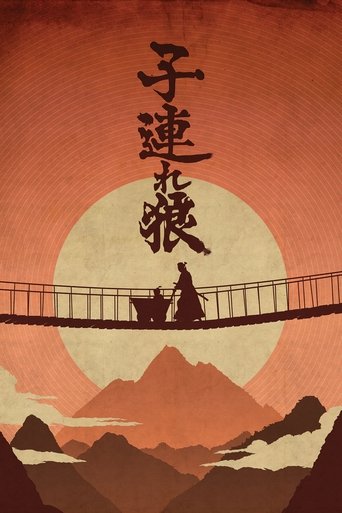
 Lone Wolf and Cub: Baby Cart in Peril · 1972
Lone Wolf and Cub: Baby Cart in Peril
★ 7.31972
MovieActionAdventure
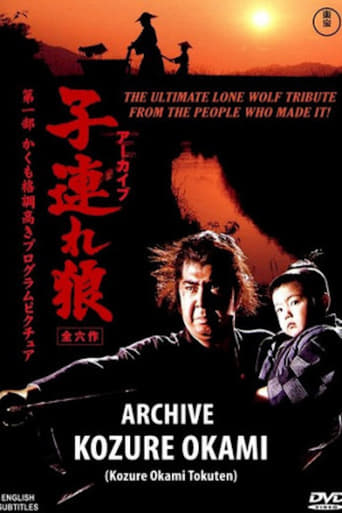
Ogami Itto is hired to kill a tattooed female assassin and battles Retsudo, head of the Yagyu clan, and his son Gunbei.
 King of the Night Life · 1970
King of the Night Life
★ 5.51970
MovieDrama
1970 Toei movie.
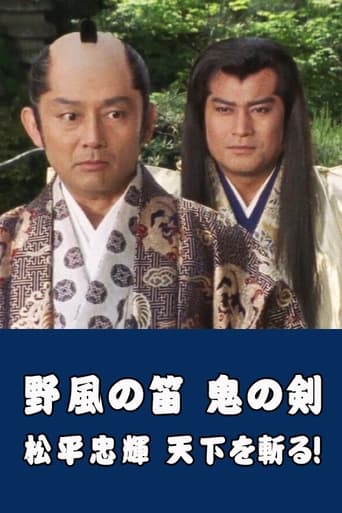 Wind Whistle in Field, Demon Sword: Matsudaira Tadateru cutting the world · 1987
Wind Whistle in Field, Demon Sword: Matsudaira Tadateru cutting the world
1987
MovieDramaHistory
Tadateru Matsudaira, the sixth son of Ieyasu Tokugawa, was exiled for not taking part in the attack on Osaka Castle. 10 years before his exile expired, he was attacked in a clandestine Yagyu operation believed to have been ordered by his older brother Hidetada. In order to correct his brother's true intentions, Tadateru broke the law and went all the way from Hida Province, where he was exiled, to Edo Castle. However, the Yagyu do not stop trying to kill Tadateru...
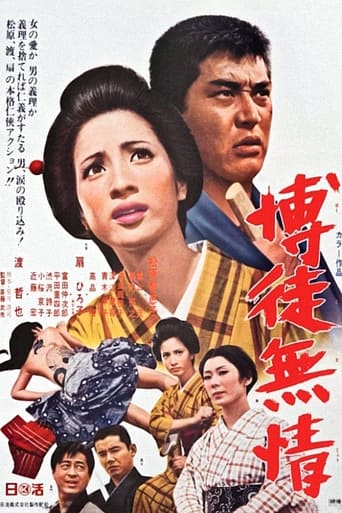 Ruthless Gambler · 1969
Ruthless Gambler
★ 8.01969
MovieActionCrime
Unlike traditional gangster movies, it is a gangster swashbuckler that mixes romance and humanity with a yakuza lover as the main character. A young man who heard that his former boss was killed is imprisoned by slashing his family's minions, and his lover is tortured by the enemy, but rescued by the imprisoned young man's nemesis.
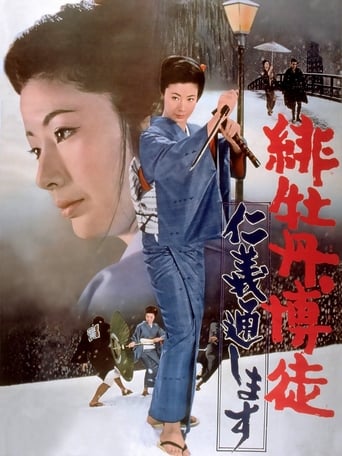 Red Peony Gambler: Execution of Duty · 1972
Red Peony Gambler: Execution of Duty
★ 7.91972
MovieActionDrama
The final chapter of the Hibotan Bakuto series. Oryu the Red Peony visits an old dying Boss of an ally family and promised her that she would help guide the new Boss. Meanwhile a turf war breaks out. When the family is betrayed from within and the rival family becomes violent, Oryu takes things into her own hands…
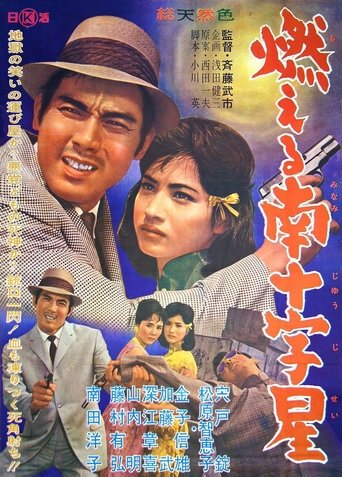 Last Round · 1962
Last Round
1962
Movie
1962 Japanese movie
Filmography
Sort