Directing
Jeff Scher
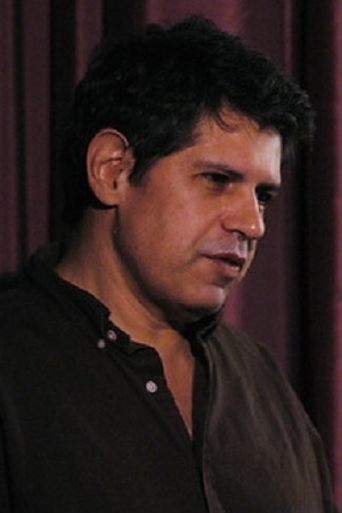
Jeff Scher is a painter who makes experimental films and an experimental filmmaker who paints. His work is in the permanent collection of the Museum of Modern Art and the Hirshhorn Museum, and has been screened at the Guggenheim Museum, the Pompidou Center in Paris, the San Francisco Museum of Modern Art, and at many film festivals around the world, including opening night at the New York Film Fes…
Known For
 Whiplash · 1997
Whiplash
1997
Movie
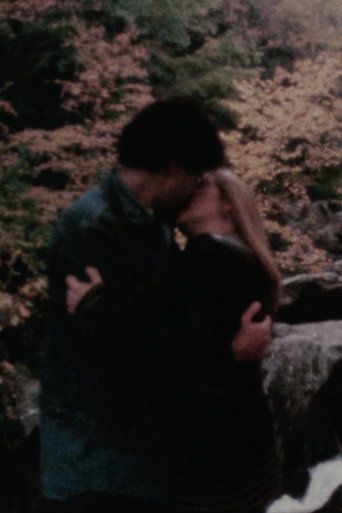
During the years preceeding his death, Sonbert channeled his energy into making Whiplash. His vision and motor skills impaired, he gave his companion, Ascension Serrano, detailed instructions about the assembly of specific shots and the music to be used as a counterpoint to the images. Before his death in 1995, he asked filmmaker Jeff Scher (a former student of Sonbert's at Bard) to complete the film. --Jon Gartenberg. Preserved by the Academy Film Archive in partnership with Estate Project for Artists with AIDS in 1996.
 Eztli · 2018
Eztli
2018
MovieAnimation
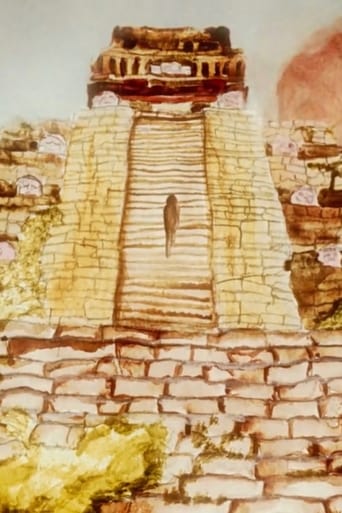
The watercolor-painted animated short depicts an Ancient Aztec human sacrifice.
 Prisoners of Inertia · 1989
Prisoners of Inertia
★ 6.01989
MovieComedy
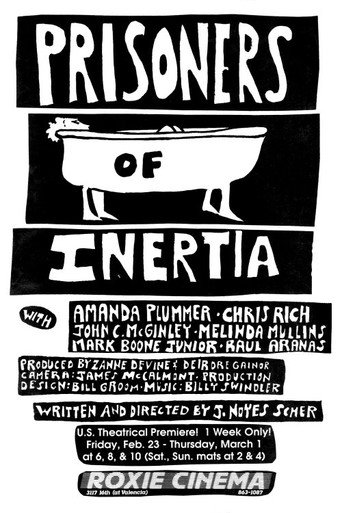
Indecisive newlyweds get into a series of misadventures while on a day trip from Manhattan to Hoboken, New Jersey.
 Yours · 1997
Yours
★ 4.91997
Movie
An animated short film created by the artist Jeff Scher.
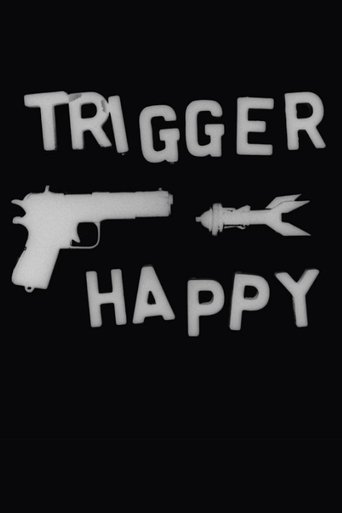 Trigger Happy · 1997
Trigger Happy
★ 6.01997
MovieMusicAnimation
“Trigger Happy” was made with hundreds of objects found on the streets and sidewalks of New York. It began as an attempt to make an animated ballet, but as I was shooting the dance turned rowdy, into more of a nocturnal revel. It was shot on a lightbox with high-contrast film. The backlight silhouetted the objects, making them into graphic icons of themselves. The resulting film is a negative, which turned the objects white and the background black as asphalt. It makes the dance almost phantasmagoric. The trigger I was happy about was on the camera, but the title also fits the velocity of the imagery. Much of the animation happens by the rapid replacement of one object with another. It’s the afterimage in your eyes that animates the difference between the shapes, as one is replaced by another, and another… The music by Shay Lynch perfectly captures the idea of dancing in the streets.” —Jeffrey Noyes Scher
 Tunnel Vision · 2013
Tunnel Vision
2013
Movie
Jeff Scher's 2013 ode to underground public transport.
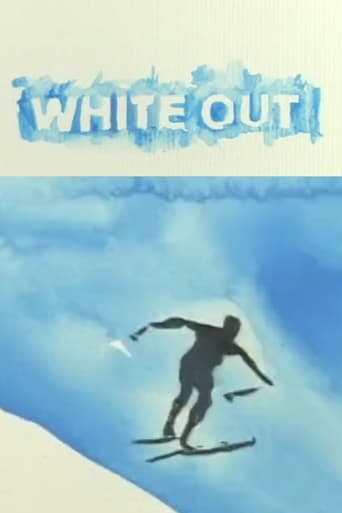 White Out · 2007
White Out
2007
MovieAnimation
In short, it's a film about winter. And to create it, Jeff Scher composed approximately 2,250 watercolor paintings on paper. Each one is elegant and beautiful in itself, depicting classic snowy scenes, but when composited together, we see incredible movement and fluidity revealed as cold memories bleed into one another.
 Crazy Walk · 2020
Crazy Walk
2020
Movie
Jeff Scher's short animation, first released in 2020.