I
Camera
Ingo Kratisch
Born May 13, 1945 · Nejdek, Czech Republic (age 81)
Ingo Kratisch is a German film director, screenwriter and cinematographer.
Known For
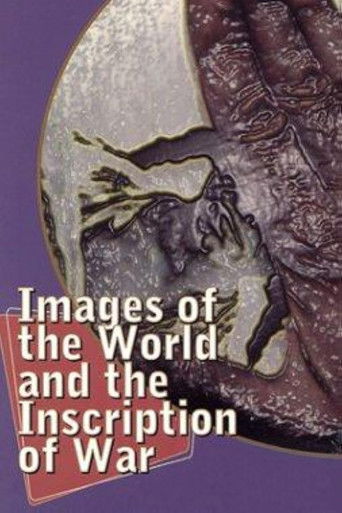 Images of the World and the Inscription of War · 1991
Images of the World and the Inscription of War
★ 6.71991
MovieDocumentary
Farocki’s intriguing and troubling film explores the processes of visual perception and how they affect our understanding of history and society. In a work reminiscent of the writings of Paul Virilio and Michel Foucault, Farocki examines a range of phenomena including aerial reconnaissance photos of the Auschwitz concentration camp.
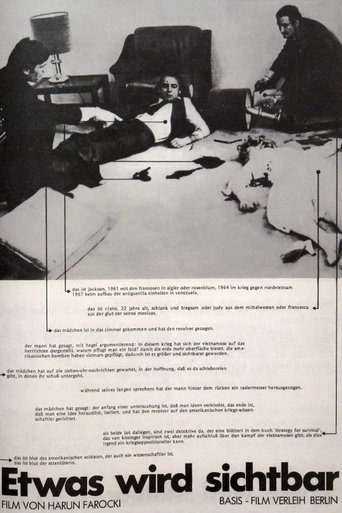 Before Your Eyes - Vietnam · 1982
Before Your Eyes - Vietnam
★ 7.01982
MovieDrama
An unconventional essay film that interrogates the visual and ideological legacy of the Vietnam War. Blending staged scenes, archival footage, photographs, and philosophical dialogue, the film follows various characters — including an American soldier captured by North Vietnamese villagers — as they reflect on violence, memory, and image-making. Set partly in West Berlin and partly in reconstructed spaces representing Vietnam, the film avoids traditional dramatic narrative in favor of a fragmented montage of voices, documents, and reenactments. Interweaving love stories, political debate, and historical commentary, Farocki creates a critical reflection on how war is represented, seen, and imagined, both in cinema and in public consciousness. The result is a complex meditation on images as weapons and instruments of perception.
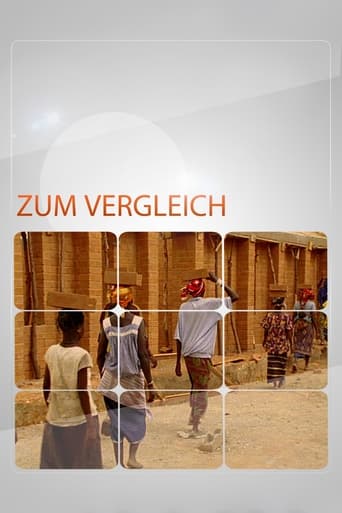 In Comparison · 2009
In Comparison
★ 6.62009
MovieDocumentary
In Comparison revisits issues explored in the director's 2007 two channel installation Comparison Via a Third. Spanning continents and cultures, the film focuses on the brick in its many contexts, from the collective efforts of a community building a clinic in Burkina Faso, through semi industrialized moldings in India, to industrial production lines in Germany, France, Austria and Switzerland. Through its notable structure and its captivating rhythms, In Comparison presents various methods of labor production, allowing for an assessment that changes with every layer and goes well beyond a simple binary divide.
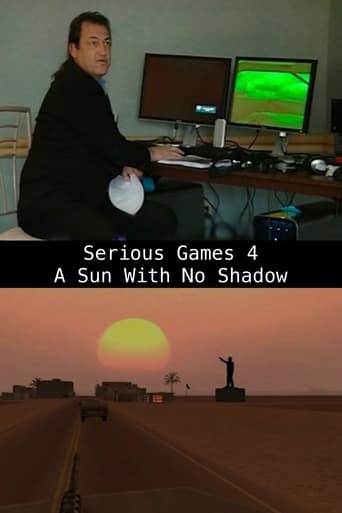 Serious Games 4 – A Sun With No Shadow · 2010
Serious Games 4 – A Sun With No Shadow
★ 10.02010
MovieDocumentaryWar
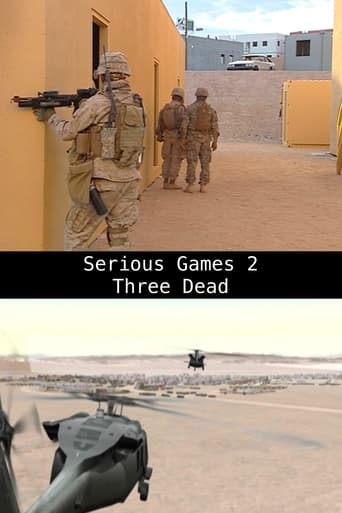
An exploration of how the U.S. military employs video game technology to train troops for war. In A Sun With No Shadow, Farocki calls attention to the subtle differences between the simulations for combat training and PTSD. With the former, the sun can be programmed to cast shadows in the virtual combat zones, while the latter, less expensive technology does not offer this feature.
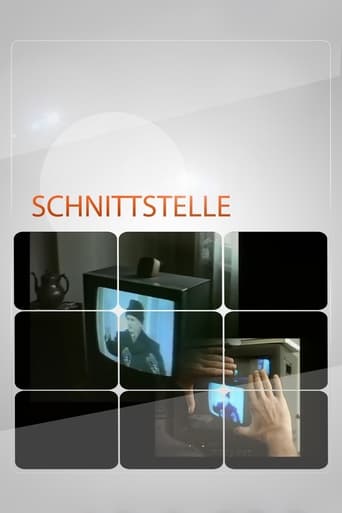 Interface · 1995
Interface
★ 6.51995
MovieDocumentary
Harun Farocki was commissioned by the Lille Museum of Modern Art to produce a video 'about his work'. His creation was an installation for two screens that was presented within the scope for the 1995 exhibition The World of Photography. The work Schnittstelle developed out of that installation. Reflecting on Farocki's own documentary work, it examines the question of what it means to work with existing images rather than producing one's own, new images. The title plays on the double meaning of 'Schnitt', referring both to Farocki's workplace, the editing table, as well as the 'human-machine interface', where a person operates a computer using a keyboard and a mouse.
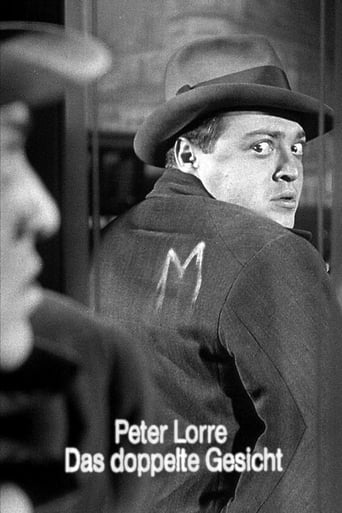 The Double Face of Peter Lorre · 1984
The Double Face of Peter Lorre
★ 5.81984
MovieDocumentary
Peter Lorre achieved international fame for his performance in the myth-making role in M. This character has held a peculiar fascination for generations of cinephiles. However, at the time, whilst such success meant recognition, it also weighed on the Hungarian actor as a constrictive burden. Using photographs and film extracts, Das doppelte Gesicht reconstructs the ups and downs of Lorre's career, taking into consideration the economic imperatives and workings of the film industry at the time. (Arnold Hohmann, 1984)
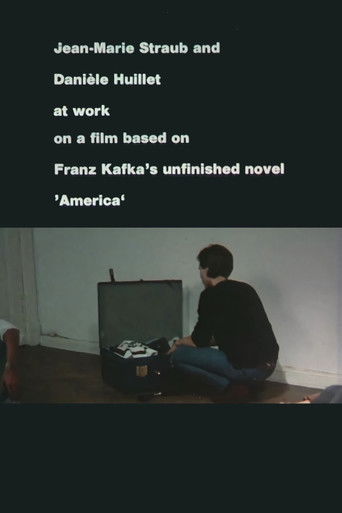 Jean-Marie Straub and Danièle Huillet at Work on a Film Based on Franz Kafka’s Amerika · 1983
Jean-Marie Straub and Danièle Huillet at Work on a Film Based on Franz Kafka’s Amerika
★ 6.41983
MovieDocumentary
This film is at once a self-portrait and an homage to Jean-Marie Straub, Farocki's role model and former teacher at the Film Academy.
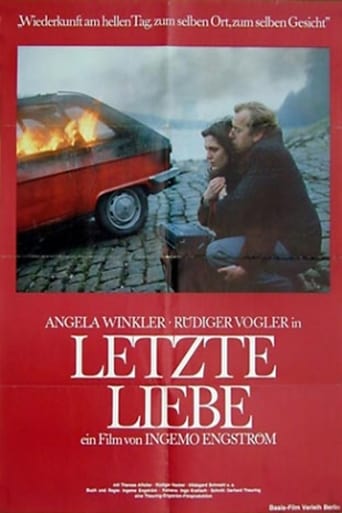 Last Love · 1980
Last Love
★ 8.01980
MovieDrama
A film about an amour fou between a young doctor and a former teacher. She, daughter of German Jews who emigrated to France, returns to Germany one day: she escapes from her bourgeois life in France into the memory of her childhood.
Filmography
Sort
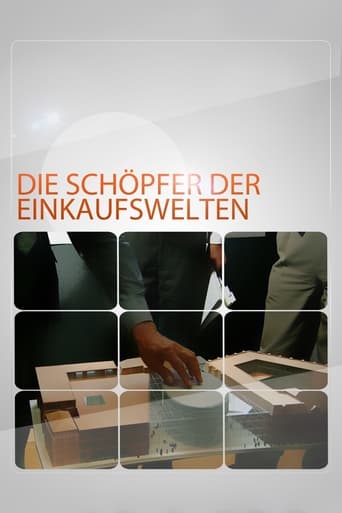 The Creators of the Shopping Worlds · 2001
The Creators of the Shopping Worlds
★ 6.52001
MovieDocumentary
A look at how mall producers design malls in order to maximise traffic and sales.
Director of Photography

 Searching for Mr. Moses · 1990
Searching for Mr. Moses
1990
MovieDocumentary
Director of Photography