Acting
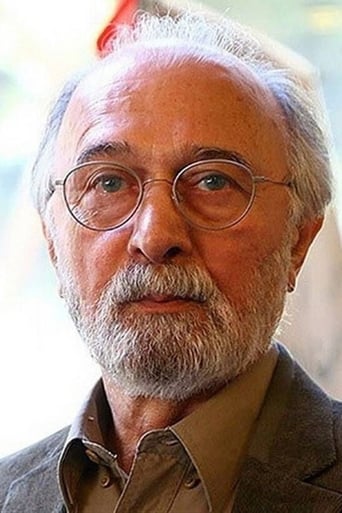
Parviz Pourhosseini
Born September 11, 1941 · Tehran, Iran
Died November 27, 2020 · aged 79
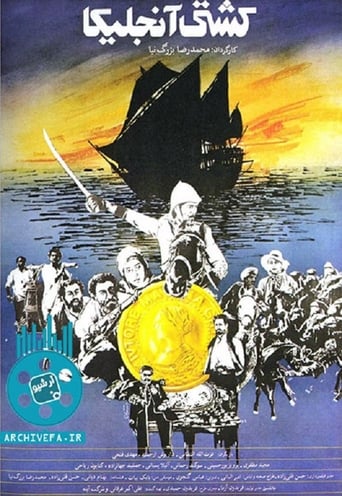
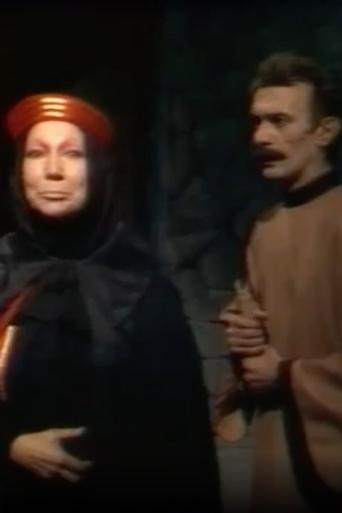
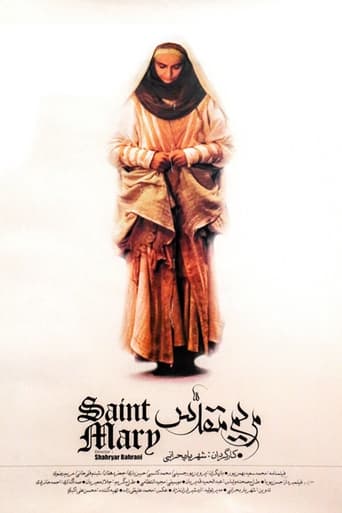
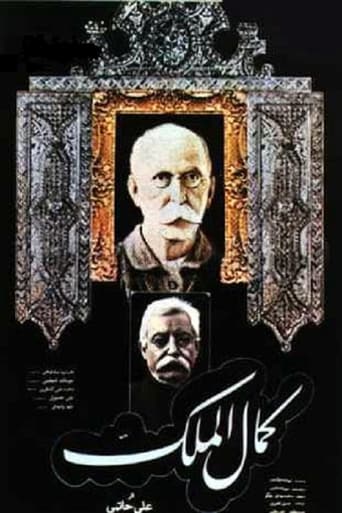
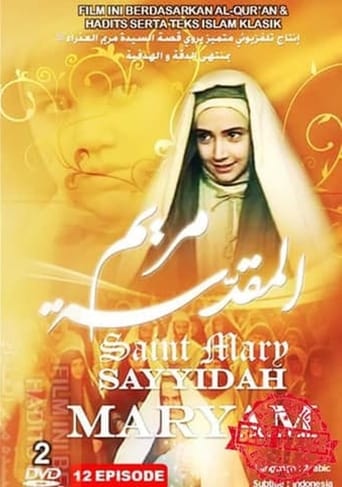
Parviz Pourhosseini (Persian: پرویز پورحسینی , 11 September 1941 – 27 November 2020) was an Iranian film, theater and television actor. He died of COVID-19 at age 79, in Firoozgar Hospital in Tehran. He was best known for his roles in Bashu, the Little Stranger (1989), The Fifth Season (1997) and Saint Mary (1997). Other well-known films he had performed in include The Man Who Became a Mouse (19…
Known For
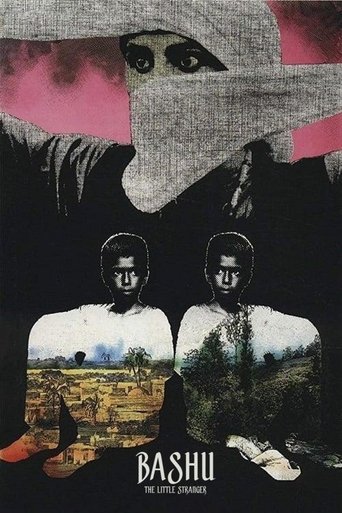 Bashu, the Little Stranger · 1989
Bashu, the Little Stranger
★ 7.41989
MovieDramaWar
During the Iran-Iraq War, young Bashu loses his home and family. Orphaned, he sneaks into a truck leaving the area, and gets off in the Northern country, where everything from landscape to language is different. He meets Naii, trying to raise her two young children on a farm while her husband is away. Despite cultural differences and a language barrier, Bashu and Naii slowly form a strong bond.
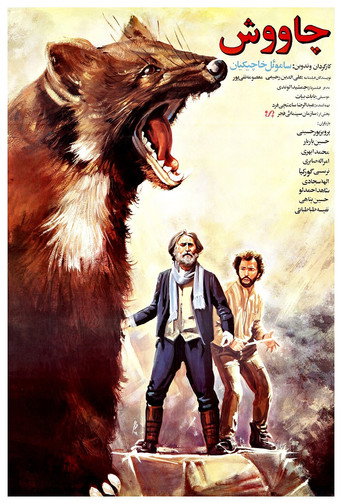 The Herald · 1990
The Herald
1990
MovieDrama
Uncle Hashem, an old villager who was formerly a skilled hunter and now has poor eyesight, decides to hunt a deer and sell it to a mule-driver to fund his journey with the Chavoush group so he can go on a pilgrimage to Ali ibn Musa al-Rida.
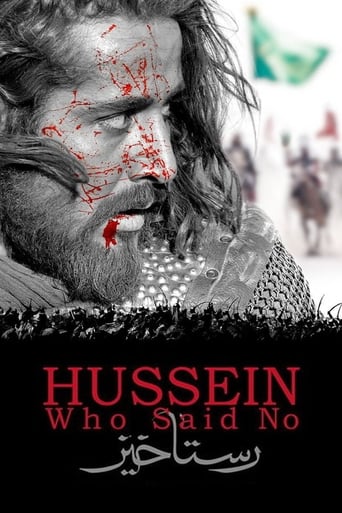 Hussein Who Said No · 2014
Hussein Who Said No
★ 6.82014
MovieDramaHistory
The story of Imam Hossein's battle in Karbala, an unfair war which made one the most important effects in Islam history.
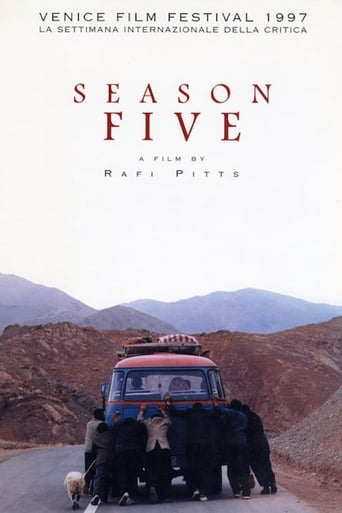 The Fifth Season · 1997
The Fifth Season
★ 7.01997
MovieDramaComedy
The fight for power in an isolated village. Two families have been enemies for so long they cannot even remember why. The only hope for peace between the feuding families is lost when an arranged marriage agreement is broken. Some days later, the groom, Karamat, returns with a brand new minibus. But a fierce competition for passengers break out when the bride, Mehrbanou, decides to do the same.
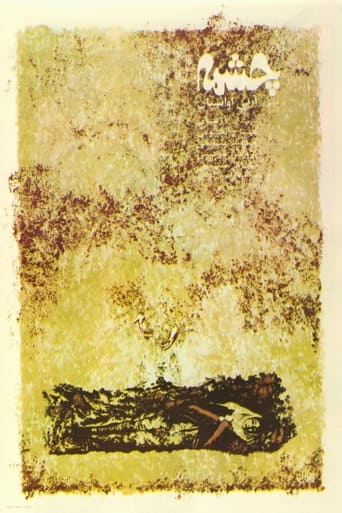 The Spring · 1973
The Spring
★ 6.01973
MovieDrama
A man who has fallen in love with a young woman discovers that she is the wife of his friend. When he realizes the woman's affection for a young libertine with whom she is secretly meeting in an abandoned house, he commits suicide. When the local women, out of jealousy, expose her, she also ends her life. Her husband buries her body in the abandoned bathhouse. The young libertine, driven to madness, wanders into the desert.
 Time to Love · 2014
Time to Love
★ 5.92014
MovieDrama
Bita (Hatami), a successful lawyer specializing in championing the cause of women’s rights in divorce cases, is blind to the trouble brewing in her own marriage. A snatch of gossip and a problem client with an unwanted pregnancy unexpectedly bring Bita’s problems home. (Gene Siskel Film Center)
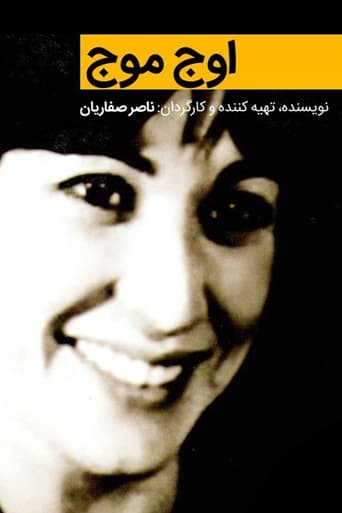 Summit of the Wave · 2003
Summit of the Wave
2003
MovieDocumentary
Part 3 of documentary trilogy about Persian poet Forough Farrokhzad. This part focuses on her theatre and film work.
 Salandar · 1980
Salandar
1980
MovieHistory
The Mongol invasion of Iran leaves the country devastated but the people fight for their right in their own way.