T
Directing
Timothy Asch
Born July 16, 1932 · Southampton, New York, USA
Died October 3, 1994 · aged 62
Timothy Asch (July 16, 1932 – October 3, 1994) was an American anthropologist, photographer, and ethnographic filmmaker. Along with John Marshall and Robert Gardner, Asch played an important role in the development of visual anthropology. He is particularly known for his film "The Ax Fight" and his role with the USC Center for Visual Anthropology.
Known For
 The Feast · 1970
The Feast
1970
MovieDocumentary
Yanomamo feasts are ceremonial, social, economic, and political events. They are occasions for men to adorn their bodies with paint and feathers, to display their strength in dance and ritualized aggression; for trading partnerships to be established or affirmed; and for the creation or testing of alliances. In the feast filmed in 1968, the Patanowa-teri had invited the Mahekodo-teri to their village. The two groups had been allies until a few years before this event, when they had fought over the abduction of a woman. They now hoped to renew their broken alliance, which they did successfully. Soon after the filmed feast, the two villages together raided a common enemy. A detailed discussion of this feast, and of the significance of feasting among the Yanomamo, is found in chapter 4 of Chagnon's Yanomamo: The Fierce People. The film's graphic representation of reciprocity and exchange may enrich (and be enriched by) a reading of Marcel Mauss' The Gift.
 The Ax Fight · 1975
The Ax Fight
★ 6.01975
MovieDocumentary
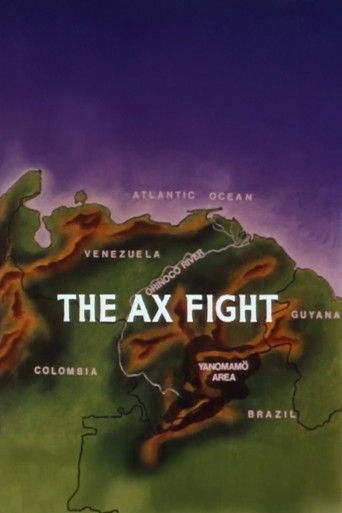
This ethnographic film records a conflict that took place on February 28, 1971, in the Yanomami village of Mishimishimabowei-teri during the fieldwork of Timothy Asch and Napoleon Chagnon. Constructed in four parts, the film first presents the complete unedited footage of the fight as it was witnessed by the filmmakers, followed by slow-motion analysis, kinship diagrams, and a final edited version. Through this structure, the film documents both the social dynamics of the conflict and the process by which ethnographic knowledge is produced from filmed events.
 A Man Called "Bee" · 1974
A Man Called "Bee"
1974
MovieDocumentary
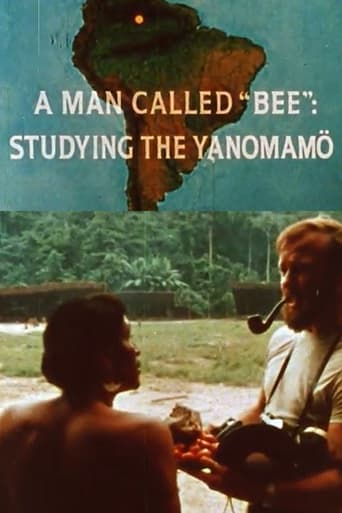
One of the few ethnographic films in which the anthropologist appears as one of the subjects - a lively introduction to the nature of fieldwork. Napoleon Chagnon, who lived among the Yanomamo for 36 months over a period of eight years, is shown in various roles as "fieldworker": entering a village armed with arrows and adorned with feathers; sharing coffee with the shaman Dedeheiwa who recounts the myth of fire; dispensing eyedrops to a baby and accepting in turn a shaman's cure for his own illness; collecting voluminous genealogies; making tapes, maps, Polaroid photos; and attempting to analyze such patterns as Yąnomamö village fission, migration, and aggression.
 Yanomamo: A Multidisciplinary Study · 1968
Yanomamo: A Multidisciplinary Study
1968
MovieDocumentary
This film illustrates the field techniques used by a multidisciplinary team of researchers from the University of Michigan in collaboration with their Venezuelan colleagues. The film also includes a brief sketch of Yanomamo culture and society.
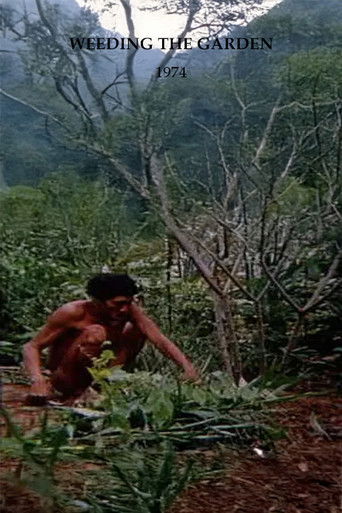 Weeding the Garden · 1974
Weeding the Garden
1974
MovieDocumentary
Dedeheiwa the shaman weeds his manioc garden and clears the leaves around his plantains. Tired and sore, he rests while he is massaged and groomed by his wife and numerous children, with whom he plays affectionately.
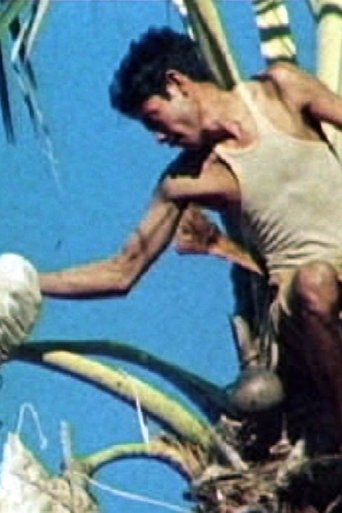 The Water of Words: A Cultural Ecology of an Eastern Indonesian Island · 1983
The Water of Words: A Cultural Ecology of an Eastern Indonesian Island
1983
MovieDocumentary
This film examines the ecology and poetry of everyday life. Two Rotinese narrate this film, each offering his perception of the importance of the Lontar (Borassus) palm: a clan leader describes the many practical uses of the palm; a poet tells of its origin and mythic significance. The film complements Fox’s book, The Harvest of the Palm, as well as his essays on ritual language.
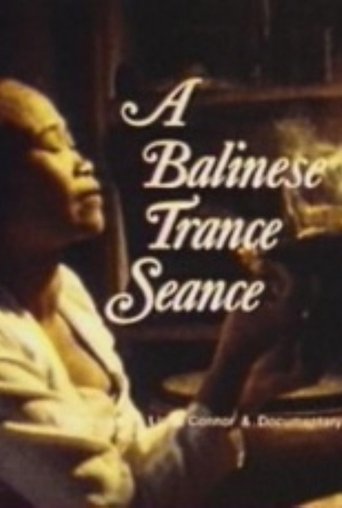 A Balinese Trance Seance · 1981
A Balinese Trance Seance
★ 7.01981
MovieDocumentary
Bringing offerings of rice, flowers, and woven coconut leaves, clients visit Jero in her household shrine to determine the cause of their son's death. Jero lights an incense brazier, sprinkles holy water, and recites mantras as preliminaries to trance. Several ancestors and finally the young son speak through her voice, revealing the nature of his premature death (witchcraft) and his wishes for cremation. In contrast to other films about Balinese trance which focus on spectacular, community performances, this film provides an intimate view of a fascinating process of communication between Jero, the spirits, and her clients who are at one point moved to tears. (der.org)
Jero on Jero: A Balinese Trance Seance Observed · 1981Jero on Jero: A Balinese Trance Seance Observed
1981
Movie
In 1981, anthropologist Linda Connor and filmmakers Tim and Patsy Asch returned to Bali with video cassette recordings of A Balinese Trance Seance. The resulting film presents some of her reactions to Connor as she watched and listened to herself for the first time. Jero had a unique opportunity to spontaneously and consciously react to and reflect upon the experience of possession. Her comments provide insight into how she feels while possessed, her understanding of sorcery, and her humility in the presence of the supernatural world. More mundane thoughts are revealed as well, for example the importance of the fine appearance of her house. Jero On Jero could most fruitfully be used as a companion to A Balinese Trance Seance, which would be shown first and followed by a discussion, before screening Jero Tapakan's own response.
Filmography
Sort