M
Acting
Mitsuko Sawamura
Born December 1, 1941
Died March 11, 2008 · aged 66
No biography available.
Known For
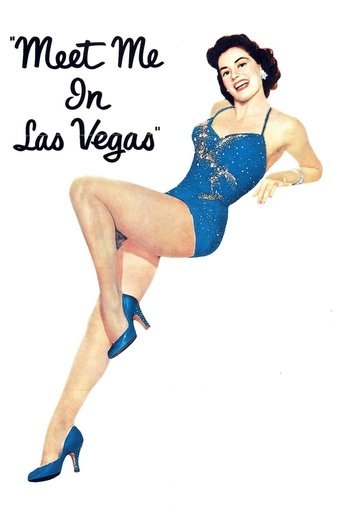 Meet Me in Las Vegas · 1956
Meet Me in Las Vegas
★ 4.51956
MovieComedyMusic
Chuck Rodwell is a gambling cowboy who discovers that he's lucky at the roulette wheel if he holds hands with dancer Marie. However, Marie doesn't like to hold hands with him, at least not in the beginning...
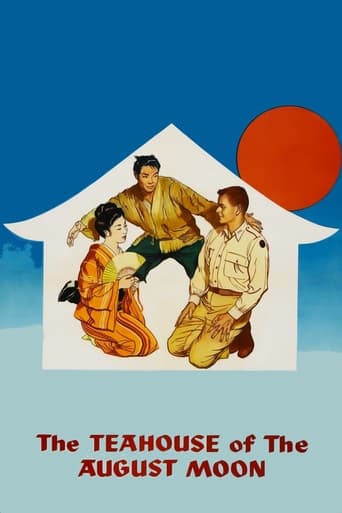 The Teahouse of the August Moon · 1957
The Teahouse of the August Moon
★ 6.21957
MovieComedy
In post-WWII Japan, an American captain is brought in to help build a school, but the locals want a teahouse instead.
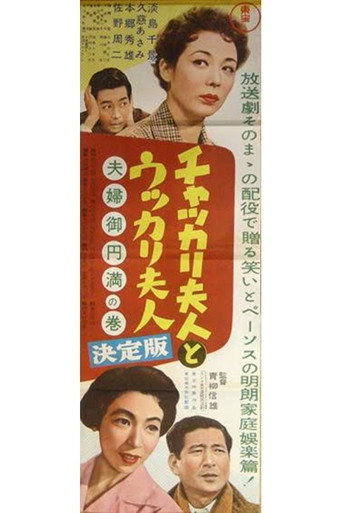 Careful Wife and Careless Wife: A Peaceful Couple · 1956
Careful Wife and Careless Wife: A Peaceful Couple
1956
MovieComedyDrama
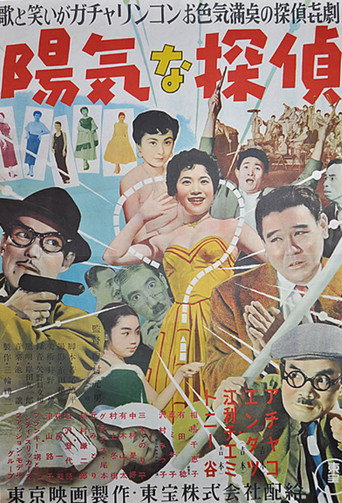 Cheerful Detective · 1954
Cheerful Detective
1954
MovieComedyMystery
After graduating from detective school, Achao and Entaro received their certificates and launched a private detective agency. One night, while investigating Otoyo, the wife of a soba shop owner, the two went to the basement of a theater and unexpectedly stumbled upon the murder of model Ranko Nemoto. Using the earring she was wearing as a clue, they began their investigation.
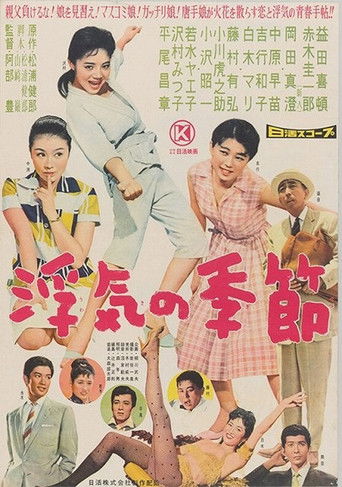 Season of Affairs · 1959
Season of Affairs
1959
Movie
Shozo, a personnel manager nearing retirement, had three daughters around their age. The eldest daughter, Naoko, is the brilliant type, the second daughter, Maki, is the manly type, and the third daughter, Momoko, is the tomboyish type.
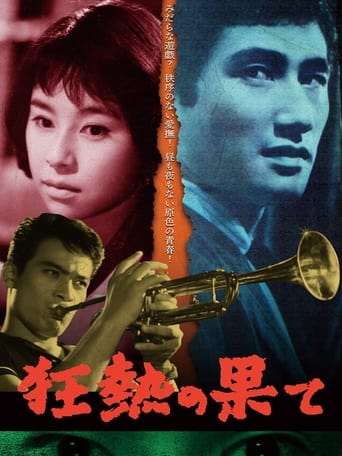 The End of Love · 1961
The End of Love
1961
Movie
A leading postwar Japanese film critic and theorist who co-founded the seminal film magazine Eiga Hihyo (Film Criticism) in 1957, Eizo Yamagiwa made his directorial debut with this independent feature—long thought lost until a negative was recently discovered—about a group of idle bourgeois students known as the “Roppongi Tribe” (Roppongi zoku). Depicting the resignation and nihilism of the postwar generation in the years following the Anpo Treaty conflicts through a coming-of-age narrative, Yamagiwa offers sharp criticism of the prevalent characterizations of Japan's new youth offered by Nikkatsu's taiyozoku (“Sun Tribe”) films and the New Wave at large.
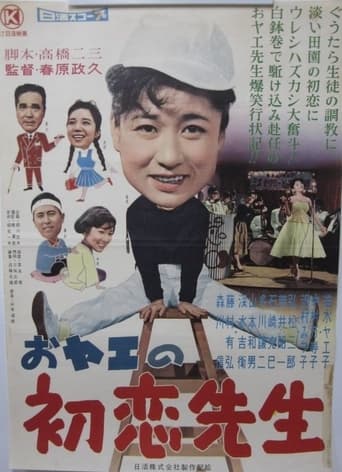 Oyae no hatsukoi sensei · 1959
Oyae no hatsukoi sensei
1959
MovieComedy
A hilarious comedy where newly appointed teacher Oyae shows off her unusual plays as she fights alone against a group of five bad boys.
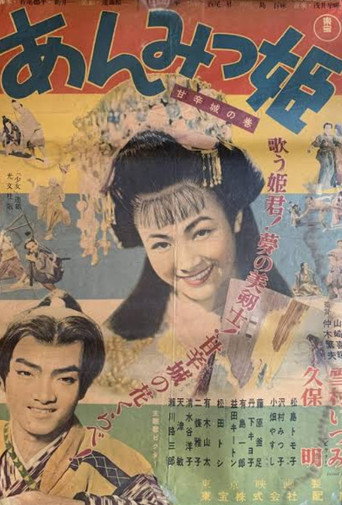 Anmitsu hime: Amakara shiro no maki · 1954
Anmitsu hime: Amakara shiro no maki
1954
Movie
Filmography
Sort
