V
Directing
Vasyl Lapoknysh
Born March 11, 1905
Died January 12, 1974 · aged 68
No biography available.
Known For
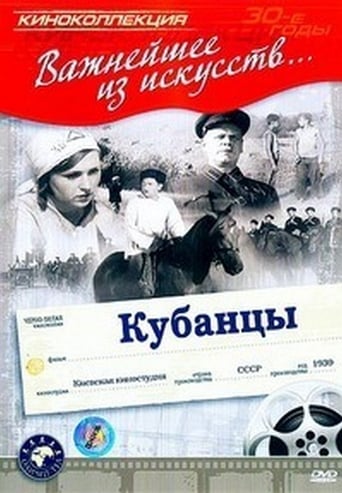
 The End of Chirva-Kozyr · 1957
The End of Chirva-Kozyr
1957
MovieDrama
In order not to hand over grain to the state at fixed prices, a rich peasant (kulak) buries 600 pounds of grain in the ground. Meanwhile, a communist worker arrives in the village of Gorbani to organize grain procurements. In the fight against kulaks, he manages to win over the poor villagers to his side.
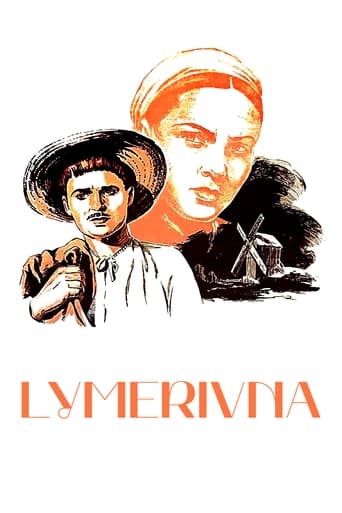 Lymerivna · 1955
Lymerivna
★ 7.01955
MovieDrama
The main character repeats the destiny of many peasant women of her time. Her personal feelings were completely uninteresting to her parents, indeed they were always chasing after the profit. That’s why they married the daughter with a rich man whom was completely unpleasant to her. It is a screen adaption of Panas Myrny’s production.
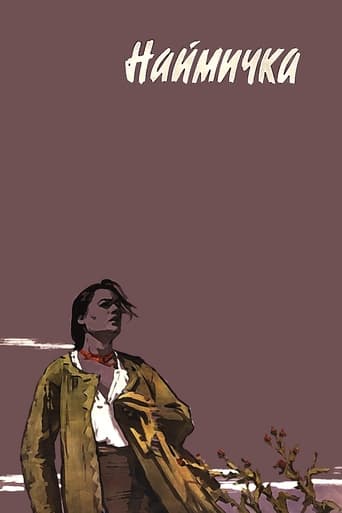 The Servant Woman · 1964
The Servant Woman
1964
MovieMusic
Musical film based on the opera by Mykhaylo Verykivsky, itself based on a poem by Taras Shevchenko. A young girl, seduced by a soldier, leaves her illegitimate son with a wealthy childless family, and then applies to work as a servant to the family.
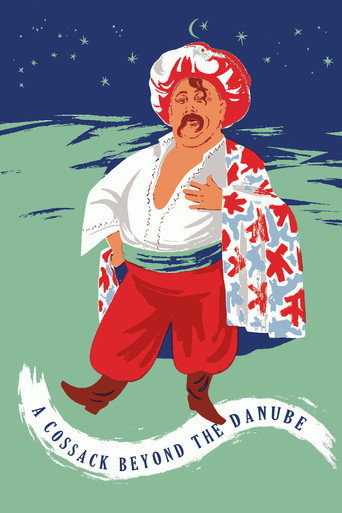 A Cossack Beyond the Danube · 1953
A Cossack Beyond the Danube
★ 7.01953
MovieMusicRomance
A Ukrainian comic opera with spoken dialogue in three acts with music and libretto by the composer Semen Hulak-Artemovsky (1813–1873). The orchestration has subsequently been rewritten by composers such as Reinhold Glière and Heorhiy Maiboroda. This is one of the best-known Ukrainian comic operas depicting national themes.
 Lileya · 1959
Lileya
★ 10.01959
MovieMusic
The first ballet film made in Ukraine, based on Konstantin Dankevich's ballet from 1940.
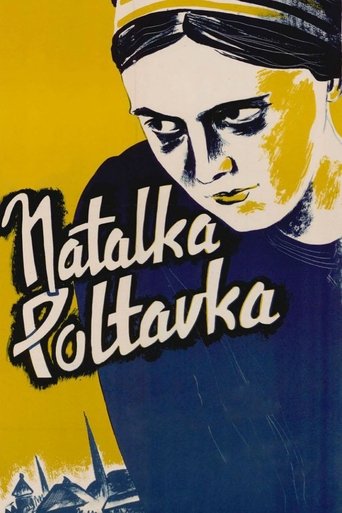 Natalka Poltavka · 1936
Natalka Poltavka
★ 7.01936
MovieMusicRomance
The trials and tribulations of Natalka and Petro. The sweethearts plan to get married, however, Natalka's father does not approve of the marriage because Petro's not affluent enough to keep Natalka in the manner he thought that she should be kept. Petro goes off to earn the required fortune. With no news from Petro for five years, Natalka succumbs to her mother's wishes and finally accepts her next offer of marriage, which happens to come from an old, but relatively wealthy government official.
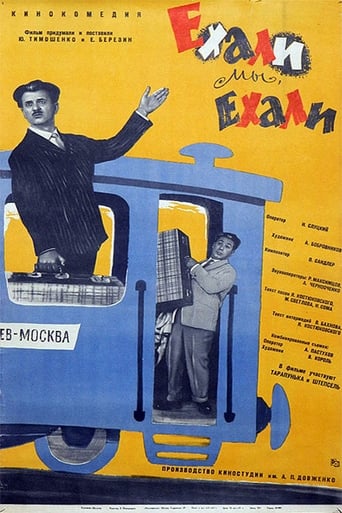 We Were Going and Going · 1962
We Were Going and Going
★ 7.01962
MovieComedy
A comedy about the trip of Tarapunki and Shtepselya (popular artists of the Soviet stage of the 60s) to a concert in Moscow. The heroes were not lucky: the thirteenth car, in which they were supposed to arrive in the capital, was forgotten to be attached to the train. The merry men go to Moscow on the railroad ties, dragging a wagon ...
 Taras Shevchenko · 1951
Taras Shevchenko
★ 4.81951
MovieDramaHistory
Growing up in a Ukrainian peasant family, knowing all hardships of serf life, young artist and poet Taras Shevchenko in the years of study clearly identifies the meaning of true art, which is to serve the interests of the people. The poems of Shevchenko are imbued with love for the common people. Fiery freedom-loving creativity of Taras Shevchenko is known throughout Russia. Nicholas I exiles the poet to the distant Caspian fort where he is to serve as an ordinary soldier and is banned from writing or drawing. In the poet's difficult days he has the support of Ukrainian soldier Skobelev, Polish revolutionary Sierakowski, captain Kosarev and the commandant of the fortress, Uskov. For the sake of his release Chernyshevsky and Dobrolyubov are hard at work. And so, the sick and aged Shevchenko is finally free. Together with Chernyshevsky and Dobrolyubov, he dreams of a bright future of the motherland, when the Russian and Ukrainian peoples throw off the chains of slavery.
Filmography
Sort