Acting
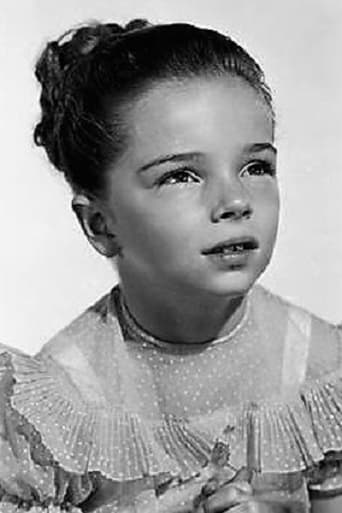
Sandy Descher
Born November 30, 1945 · Burbank, California, USA (age 80)
Sandra Descher (born November 30, 1945) is an American former child actress of the 1950s.
Known For
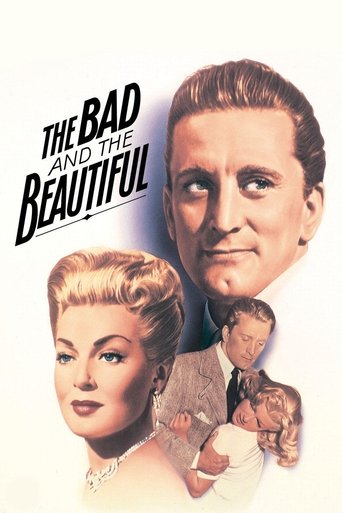 The Bad and the Beautiful · 1952
The Bad and the Beautiful
★ 7.31952
MovieDramaRomance
Told in flashback form, the film traces the rise and fall of a tough, ambitious Hollywood producer, Jonathan Shields, as seen through the eyes of various acquaintances, including a writer, James Lee Bartlow; a star, Georgia Lorrison; and a director, Fred Amiel. He is a hard-driving, ambitious man who ruthlessly uses everyone on the way to becoming one of Hollywood's top movie makers.
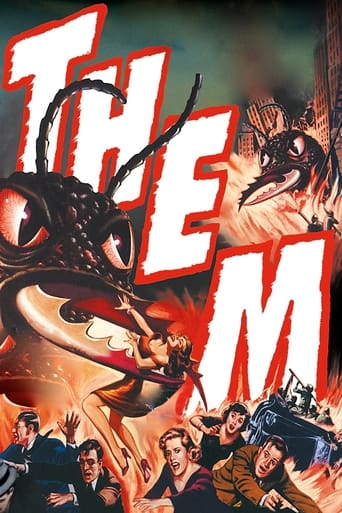 Them! · 1954
Them!
★ 6.81954
MovieScience FictionHorror
As a result of nuclear testing, gigantic, ferocious mutant ants appear in the American desert southwest, and a father-daughter team of entomologists join forces with the state police officer who first discovers their existence, an FBI agent and, eventually, the US Army to eradicate the menace, before it spreads across the continent — and the world.
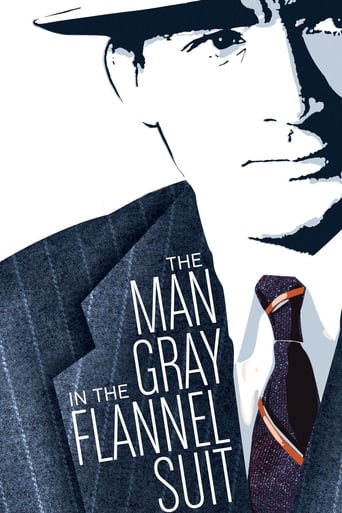 The Man in the Gray Flannel Suit · 1956
The Man in the Gray Flannel Suit
★ 6.71956
MovieDrama
Tom Rath is a suburban father and husband haunted by his memories of World War II, including a wartime romance with Italian village girl Maria, which resulted in an illegitimate son he's never seen. Pressed by his unhappy wife to get a higher-paying job, Rath goes to work as a public relations man for television network president Ralph Hopkins. Drawn into poisonous office politics, Tom finds he must choose his career or his family.
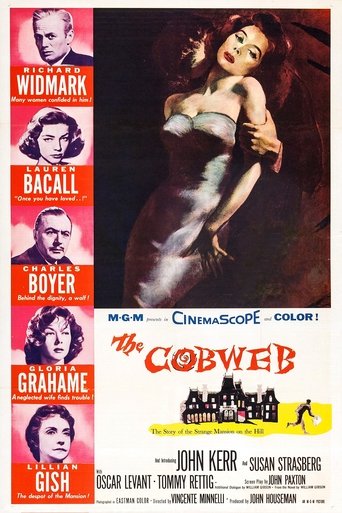 The Cobweb · 1955
The Cobweb
★ 5.71955
MovieDrama
Patients and staff at a posh psychiatric clinic clash over who chooses the clinic’s new drapes – but drapes are the least of their problems.
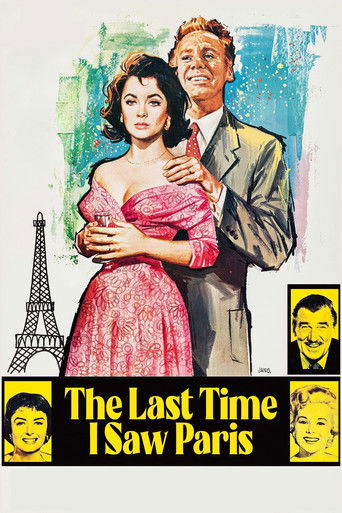 The Last Time I Saw Paris · 1954
The Last Time I Saw Paris
★ 6.11954
MovieDramaRomance
Reporter Charles Wills, in Paris to cover the end of World War II, falls for the beautiful Helen Ellswirth following a brief flirtation with her sister, Marion. After he and Helen marry, Charles pursues his novelistic ambition while supporting his new bride with a deadening job at a newspaper wire service. But when an old investment suddenly makes the family wealthy, their marriage begins to unravel — until a sudden tragedy changes everything.
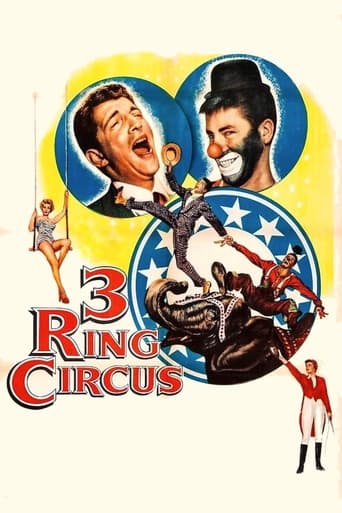 3 Ring Circus · 1954
3 Ring Circus
★ 5.61954
MovieComedy
Jerry and Pete are two friends with no money and are looking for a job. They finally find employment working in a circus, but Jerry has different dreams. He wants to become a clown.
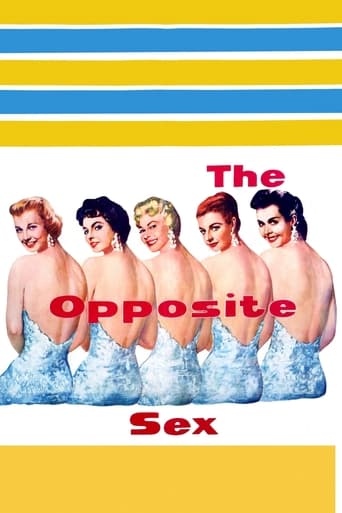 The Opposite Sex · 1956
The Opposite Sex
★ 5.41956
MovieComedyMusic
Former radio singer Kay learns from her gossipy friends that her husband, Steve, has had an affair with chorus girl Crystal. Devastated, Kay tries to ignore the information, but when Crystal performs one of her musical numbers at a charity benefit, she breaks down and goes to Reno to file for divorce. However, when she hears that gold-digging Crystal is making Steve unhappy, Kay resolves to get her husband back. The Opposite Sex is a remake of the 1939 comedy The Women.
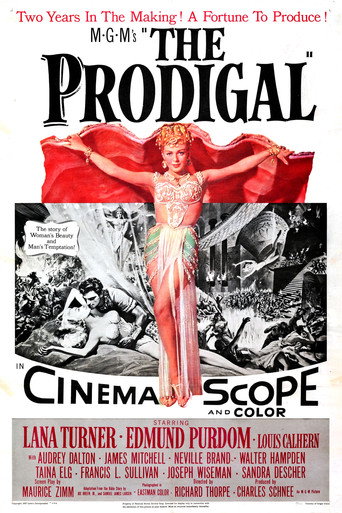 The Prodigal · 1955
The Prodigal
★ 4.61955
MovieDramaAdventure
A wealthy young Hebrew traveling in Damascus renounces his faith after he is seduced by an alluring pagan priestess and cheated of his fortune by the High Priest as well.
Filmography
Sort