G
Acting
Giuseppe Varni
Born March 20, 1902 · Warsaw, Russian Empire [now Poland]
Died February 25, 1965 · aged 62
Giuseppe Varni (born Józef Bruno Winawer) (1902-1965) was a Polish-born Italian stage and film actor.
Known For
 Quo Vadis · 1951
Quo Vadis
★ 7.11951
MovieDramaHistory
After fierce Roman commander Marcus Vinicius becomes infatuated with beautiful Christian hostage Lygia, he begins to question the tyrannical leadership of the despotic emperor Nero.
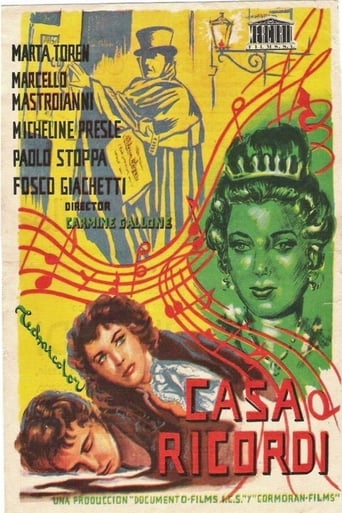 House of Ricordi · 1954
House of Ricordi
★ 6.31954
MovieHistoryDrama
The film covers a hundred years in the lives of the Ricordi family, the Milan publishing house of the title, and the various composers and other historic personalities, whose careers intersected with the growth of the Ricordi house. It beautifully draws the parallel between the great music of the composers, the historic and social upheavals of their times, as well as the "smaller stories" of the successive generations of Ricordi.
 Black Magic · 1949
Black Magic
★ 6.41949
MovieDramaHistory
A hypnotist uses his powers for revenge against King Louis XV's court.
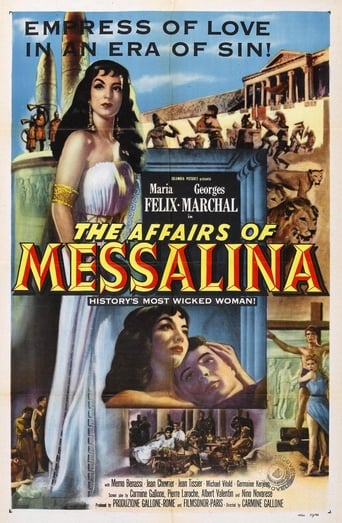 The Affairs of Messalina · 1951
The Affairs of Messalina
★ 4.11951
MovieDramaHistory
A story, set in Rome of 44 A.D., concerning the amorous and political intrigues of the evil Empress Messalina, the wife of the Roman Emperor Claudius, and her eventual hounding to death.
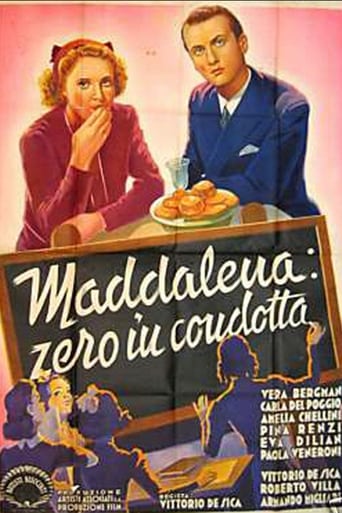 Maddalena, Zero for Conduct · 1940
Maddalena, Zero for Conduct
★ 6.21940
MovieComedyRomance
A young woman teaches commercial writing and makes her students practice by writing letters addressed to an imaginary recipient from Vienna. One day, the love letter the woman writes to this non-existent man is accidentally sent by one of her students –and falls into the hands of a real person.
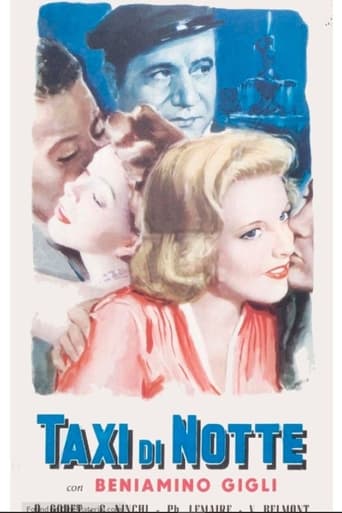 Taxi di notte · 1950
Taxi di notte
★ 7.01950
MovieComedy
A taxi driver, with singing ambitions, finds an abandoned baby in his cab and begins to look for his mother. He doesn't find her but succeeds in finding two people who want to adopt the child.
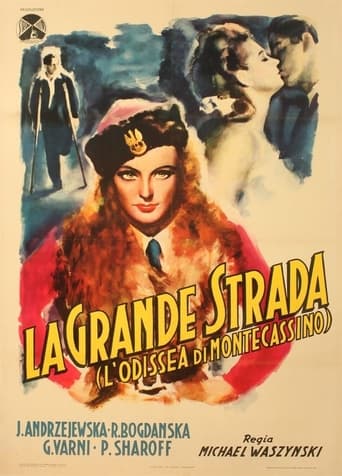 The Great Way · 1947
The Great Way
★ 7.01947
MovieDramaWar
A pair of Poles deported to Siberia are taken to the army formed by General Anders and along the battle trail.
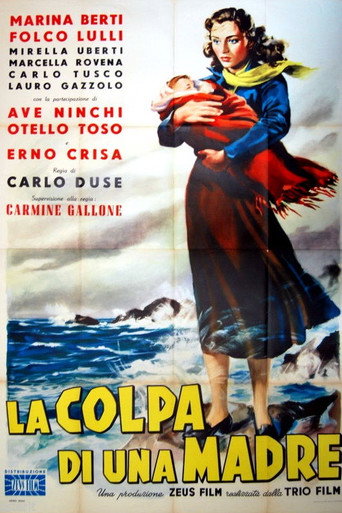 La colpa di una madre · 1952
La colpa di una madre
1952
MovieDramaRomance
Filmography
Sort
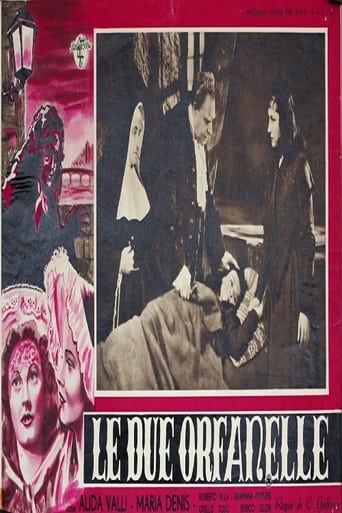 Le due orfanelle · 1942
Le due orfanelle
★ 7.01942
MovieDrama
Oicard, il cameriere
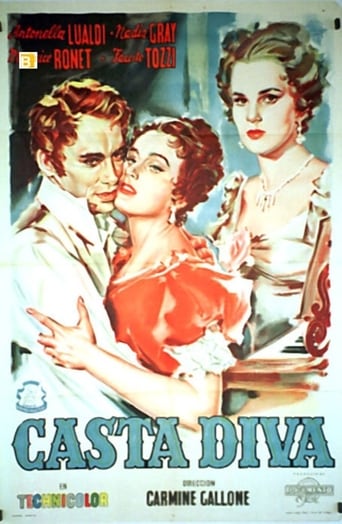 Casta diva · 1954
Casta diva
★ 7.31954
MovieDramaMusic
As soon as he graduated from the Naples Conservatory, Vincenzo Bellini meets Maddalena Fumaroli and immediately falls in love with her.
Maggiordomo di casa Fumaroli
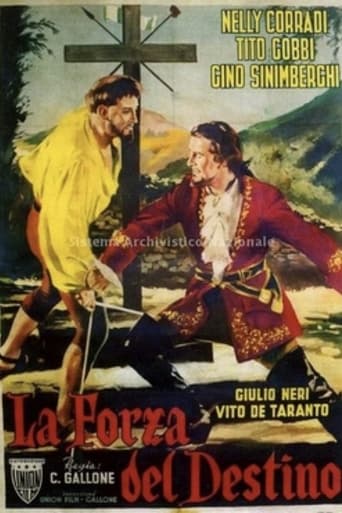 La forza del destino · 1950
La forza del destino
★ 6.01950
MovieDramaMusic
Film version of the Verdi opera about lovers on the run after the accidental death of the girl's father.
Il pellegrino caritatevole