Acting
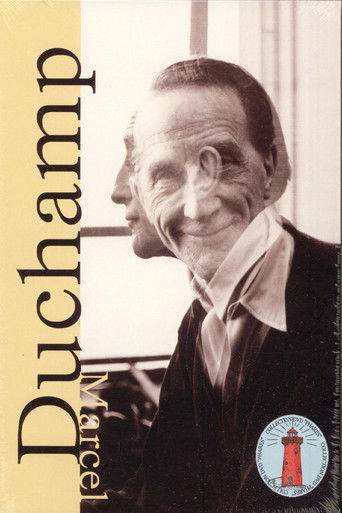
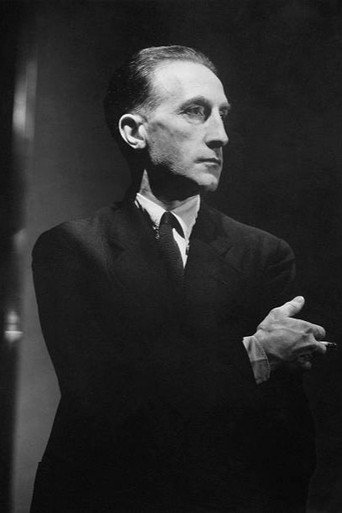
Marcel Duchamp
Born July 28, 1887 · Blainville-Crevon, Seine-Inférieure [now Seine-Maritime], France
Died October 2, 1968 · aged 81
Henri-Robert-Marcel Duchamp was a French, naturalized American painter, sculptor, chess player and writer whose work is associated with Cubism, conceptual art and Dada, although he was careful about his use of the term Dada and was not directly associated with Dada groups. Duchamp is commonly regarded, along with Pablo Picasso and Henri Matisse, as one of the three artists who helped to define the…
Known For
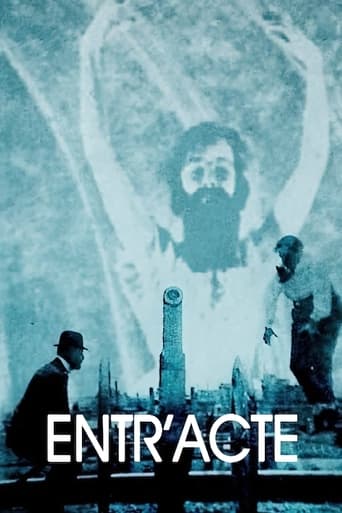 Entr'acte · 1924
Entr'acte
★ 7.01924
MovieComedyFantasy
Stop-motion photography blends with extreme slow-motion in Clair's first and most dada film, composed of a series of zany, interconnected scenes. We witness a rooftop chess match between Marcel Duchamp and Man Ray, a hearse pulled by a camel (and chased by its pallbearers) and a dizzying roller coaster finale. A film of contradictions and agreements.
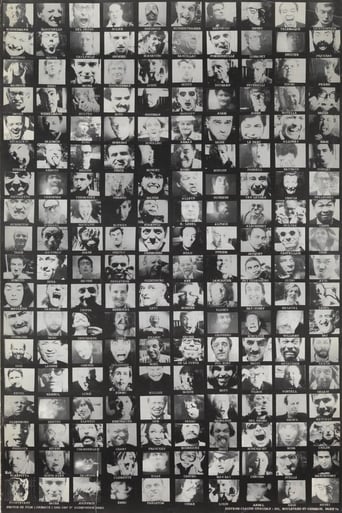 Grimace · 1967
Grimace
1967
Movie
Produced over several years between 1962 and 1967, Grimaces shows the faces of over a hundred artists, gallery owners and critics grimacing to the camera.
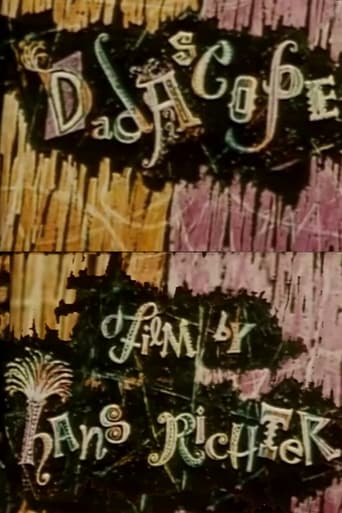 Dadascope · 1962
Dadascope
★ 7.71962
Movie
Free-associative images are juxtaposed with disorienting poetry in Richter's late work. The film is visual dynamite: Upside-down and reversed footage, play with shadows and light, billiards and dice and balloons-- suggestive and surreal images. Tenets of Dada writing, such as games of chance, punnery, wordplay and loud nonsense noise are foist upon the viewer as Dada poems are read / performed by their orignal authors.
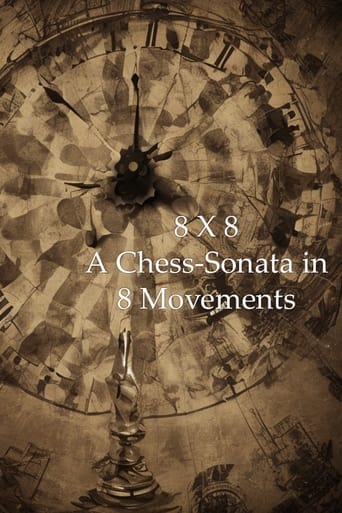 8 x 8: A Chess-Sonata in 8 Movements · 1957
8 x 8: A Chess-Sonata in 8 Movements
★ 6.21957
MovieFantasy
8 x 8: A Chess-Sonata in 8 Movements is an American experimental film directed by Hans Richter, Marcel Duchamp, and Jean Cocteau. Described by Richter as "part Freud, part Lewis Carroll" and filmed partially on the lawn of Duchamp's summer house in Southbury, Connecticut.
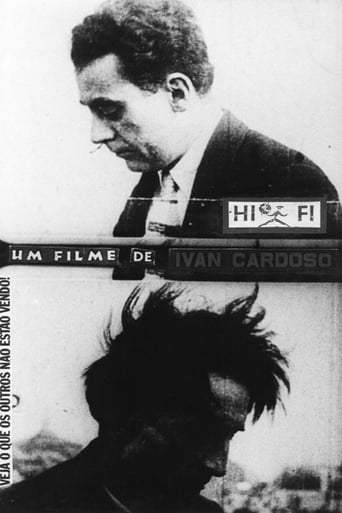 Hi-Fi · 1999
Hi-Fi
★ 5.01999
Movie
A deep dive into the history of São Paulo's avant-garde poetry movement, starting from fragments of the works of poet Augusto de Campos. A collage of rare scenes shows a long trail of comradery between avant-garde poetry and experimental cinema.
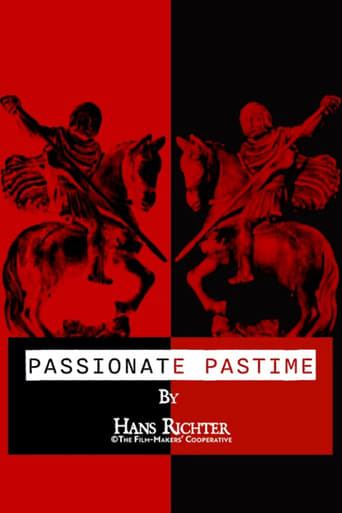 Passionate Pastime · 1958
Passionate Pastime
1958
MovieDocumentary
Hans Richter's documentary on the game of chess. Narrated by Vincent Price. Outlines the history of chess from ancient times to the present and traces its origins in India, China, and Persia. Prints, painting, illuminated manuscripts, live photography and rare chess pieces are shown as well as chess figures designed after Picasso and Braque.
 Dada · 1969
Dada
★ 8.01969
MovieDocumentary
1967 film directed by Greta Deseson about the Dada art movement. Featuring Marcel Duchamp, Man Ray, Max Ernst, Hans Richter and Gabrièle Buffet-Picabia
 Uncertain Verification · 1965
Uncertain Verification
★ 6.61965
MovieDocumentary
A short film containing a collection of clips from various Hollywood movies.