H
Creator
Hugh Burnett
No biography available.
Known For
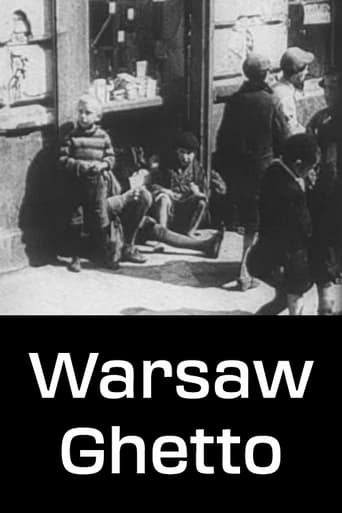 Warsaw Ghetto · 1965
Warsaw Ghetto
1965
MovieDocumentary
After a brief sequence of Nazi rallies (including shots from Triumph of the Will), German footage of the invasion of Poland, and Julien Bryan footage of the siege of Warsaw in September 1939, this film uses still photographs (some from Himmler's personal collection) and much of the 1942 German propaganda footage shot in the Warsaw Ghetto. It details the daily struggle to survive the Warsaw Ghetto, including scenes of poor sanitation, smuggling food from outside, beggars, Jewish Police and the ghetto prison, deportations, collaboration, and resistance. It uses film footage of flamethrowers and German artillery to represent the putting down of the Ghetto uprising under General Stroop.
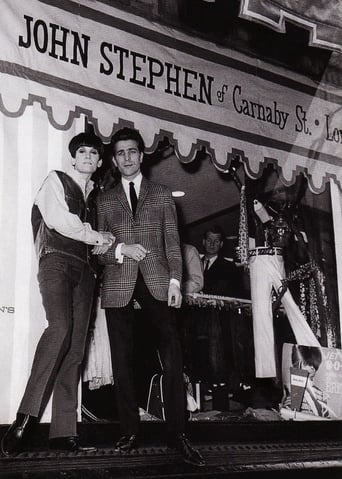 The King of Carnaby Street · 1964
The King of Carnaby Street
1964
MovieDocumentary
John Stephen (1934-2004), the fashion designer, was "the King of Carnaby Street" in the 1960s, when his clothes, which were worn by members of the Beatles, the Rolling Stones, the Bee Gees and the Kinks, created a revolution in men's fashion. In 1957, the Glaswegian-born Stephen set up his first shop at No 5 Carnaby Street. The rest is fashion & pop history
 The Heart of Apartheid · 1968
The Heart of Apartheid
1968
MovieDocumentary
First transmitted in 1968, Black, Coloured and Asian South Africans are interviewed in this eye-opening documentary about their views on apartheid. Included with the many dissenting views on apartheid are opinions on why different racial groups should live separately. Film footage that often shows the shocking racial exploitation allowed by apartheid accompanies the interviews. This documentary shows a protest by Church leaders against the Group Areas Act and features an interview with Desmond Tutu.
 Face to Face: Tony Hancock · 1960
Face to Face: Tony Hancock
★ 7.51960
MovieDocumentary
Tony Hancock engages in self-reflection, looking back at his childhood, his need to work, his health issues, and whether he could ever truly be happy. The program is believed to have played a role in his eventual downfall by amplifying his proclivity for self-criticism. During the interview, John Freeman posed probing questions about Hancock's life and career. Despite his admiration for the interviewer, Hancock seemed uneasy but responded candidly. Known for his inherent self-critical nature, it is frequently posited that this interview intensified that trait, ultimately contributing to his subsequent challenges. According to Roger, Hancock's brother, "It was the most significant misstep he ever took. I believe it all stemmed from that moment. Self-analysis - that became his undoing.
 The Ghost Hunters · 1975
The Ghost Hunters
1975
MovieDocumentary
Ghosts abound in Britain. Thousands of people have seen and heard what they believe to be phantom footsteps, abnormal phenomena, and ghosts of all shapes and sizes, sometimes even moving above ground level. Here, Hugh Burnett visits some of the people who have tried to track them down, or heard and seen things they cannot explain. The film ranges from a haunted house, a haunted inn, even a theatre haunted by a butterfly - to Borley Church where many strange occurrences have been recorded.
 Face to Face · 1959
Face to Face
★ 8.01959
Series
Face To Face is a BBC television series originally broadcast between 1959 and 1962, created and produced by Hugh Burnett, which ran for 35 episodes. The insightful and often probing style of the interviewer, former politician John Freeman, separated it from other programmes of the time. The series was revived in 1989 with Jeremy Isaacs as the interviewer. This version ran until 1998.
Filmography
Sort