Acting
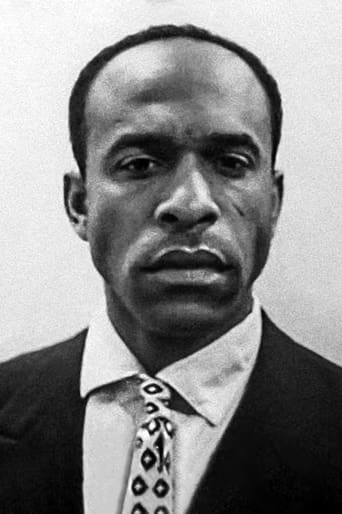
Frantz Fanon
Born July 20, 1925 · Fort-de-France, Martinique, France
Died December 6, 1961 · aged 36
No biography available.
Known For
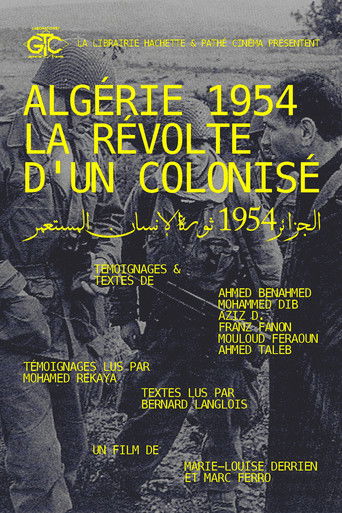
 Rondò final · 2021
Rondò final
2021
MovieDocumentary
A hundred years of images researched and found, Fragments of film, family reels, pixels. A martyr saint, a warrior. Saint Efisio, an icon who moves the people. A holiday, a rite which repeats outside of time and brings with it the masks of dominations past and present, of an island; Sardinia. What escapes? What remains? Question and answer is the foundation of editing And renews the past in another past. In this encounter of deferred glances, the holy day is renewed again in memory and in dream, far from known places.
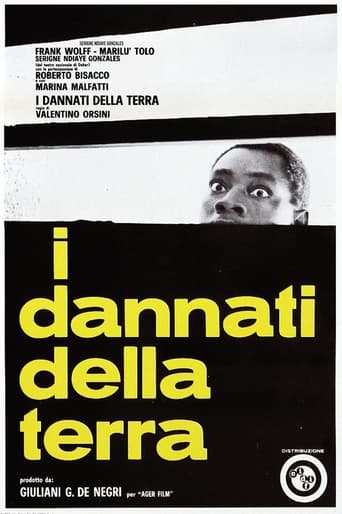 The Damned Of The Earth · 1969
The Damned Of The Earth
★ 9.51969
MovieDrama
Upon his death, a young African director, Abramo Malonga, bequeathed his first and last unfinished film to his former teacher, the Italian director Fausto Morelli. Morelli, who after seeing the work, is confronted with a confusing, complex and, in part, incomprehensible work. Helped by the young widow of Abramo Malonga and by the notes left by his deceased friend, and again by his personal memories, the Italian director attempts to reconstruct and complete the film. Fausto's work progresses with difficulty, not only because of the problems the film poses for him, but because of the problems that arise in his daily life. After a long crisis, after which he returns to Pisa with his former party companions and abandons himself to love and his own solitude, Fausto takes up the work of his African friend, closing it with a final invention, in which , with a bold metaphor, has refigured the human condition of our time.
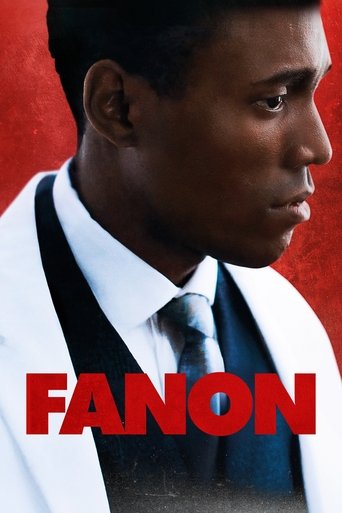 Fanon · 2025
Fanon
★ 6.62025
MovieHistoryDrama
Frantz Fanon, a French psychiatrist from Martinique, has just been appointed head of department at the psychiatric hospital in Blida, Algeria. His methods contrast with those of the other doctors in a context of colonization. A biopic in the heart of the Algerian war where a fight is waged in the name of Humanity.
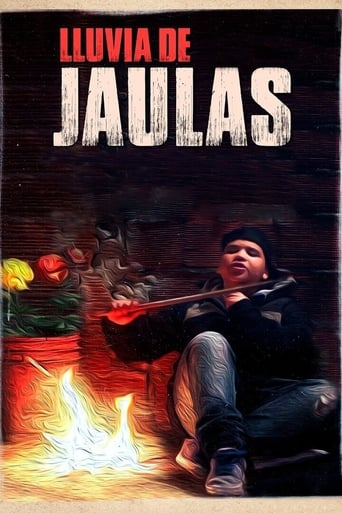 Lluvia de jaulas · 2019
Lluvia de jaulas
★ 6.12019
MovieDocumentary
Popular neighborhoods that are open-air prisons. Where beauty flirts with violence. The kingdom of the insubordinate children, veterans of the lead. A garden of amputated flowers, which with crutches on their backs, still grow and dance.
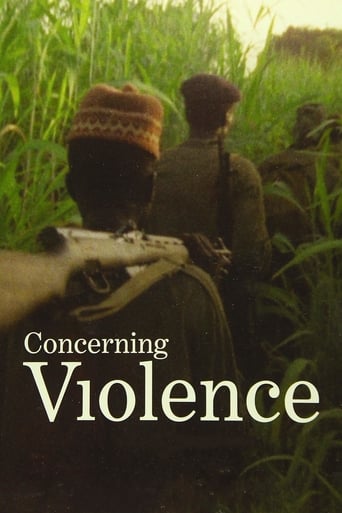 Concerning Violence · 2014
Concerning Violence
★ 7.02014
MovieDocumentary
Based on powerful archival material documenting the most daring moments in the struggle for liberation in the Third World, this documentary is accompanied by classic text from The Wretched of the Earth by Frantz Fanon.
 Lettre à un Français · 2025
Lettre à un Français
2025
MovieDocumentary
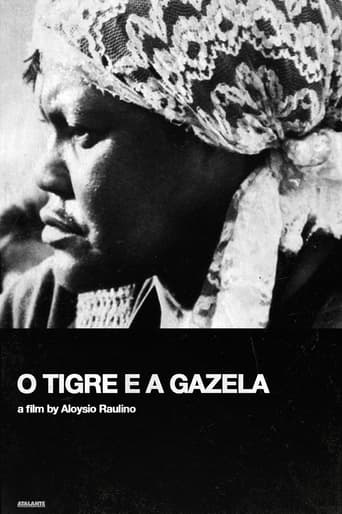 O Tigre e a Gazela · 1976
O Tigre e a Gazela
★ 7.41976
MovieDocumentary
The faces, the gestures and speech of beggars, madmen and revelers passing through the streets of São Paulo. The sounds and images are illustrated with Frantz Fanon extracts.
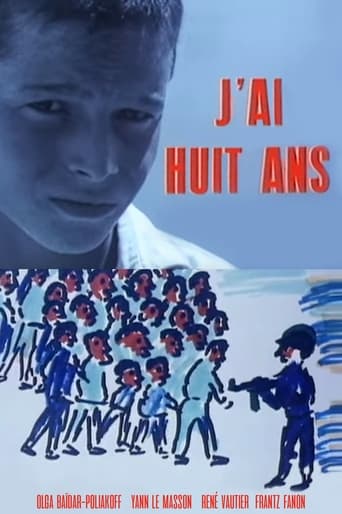 J'ai Huit Ans · 1962
J'ai Huit Ans
★ 9.01962
Movie
With my wife, Olga Poliakoff, we made "I'm Eight Years Old" based on an idea by René Vautier. Using drawings by Algerian children who were refugees in Tunisia, the film immerses the viewer in the traumatized world of these children, horrifically linking the word "France" with words like "kill," "burn," and "torture." The live-action footage was shot in Tunisia by René Vautier and myself. A second set of drawings was compiled, and the children's testimonies were recorded by Olga at the Algerian-Tunisian border. The entire film was edited in collaboration with Jacqueline Meppiel. The first screening took place in Paris on February 10, 1962, without any precautions or authorization, for about fifty people. Sponsored by the Maurice Audin Committee, the film then circulated clandestinely throughout France in dozens of copies and was seen by tens of thousands of people while the OAS was carrying out bombings in Paris and Algiers – Yann Le Masson
Filmography
Sort