Acting
Shirley Ross
Born January 7, 1913 · Omaha, Nebraska, USA
Died March 9, 1975 · aged 62
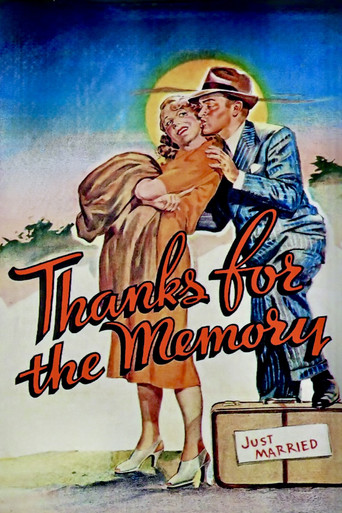
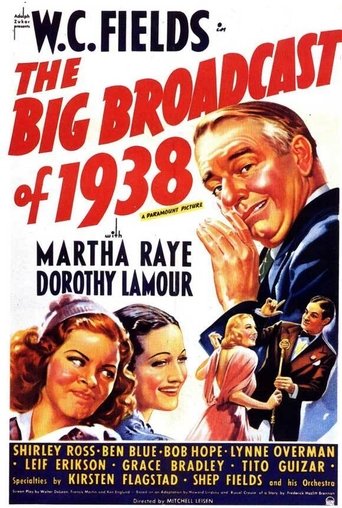
Blonde, vivacious and obviously talented, Shirley Ross had the promisings of a big musical film star, but her career remained strictly second-string throughout her fairly short career. She is best remembered through her pairing with an entertainment legend: Shirley was afforded the opportunity of duetting with Bob Hope on the song "Thanks for the Memory" in the splashy musical The Big Broadcast of…
Known For
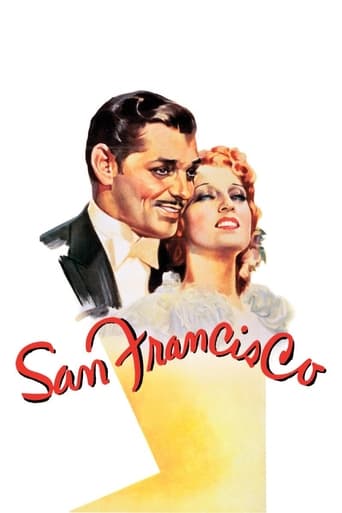 San Francisco · 1936
San Francisco
★ 6.61936
MovieDramaRomance
A beautiful singer and a battling priest try to reform a Barbary Coast saloon owner in the days before the great earthquake and subsequent fires in 1906.
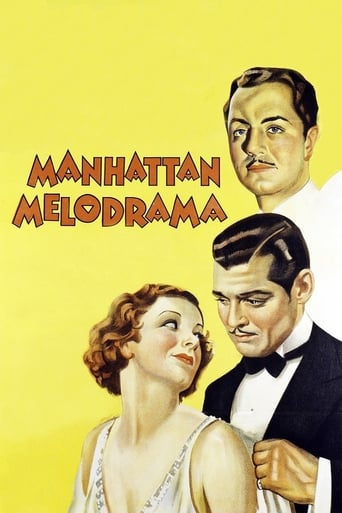 Manhattan Melodrama · 1934
Manhattan Melodrama
★ 7.01934
MovieCrimeDrama
The friendship between two orphans endures even though they grow up on opposite sides of the law and fall in love with the same woman.
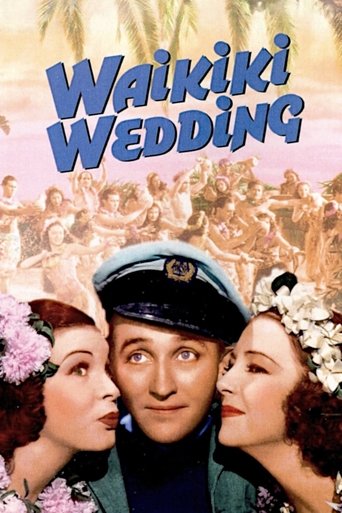 Waikiki Wedding · 1937
Waikiki Wedding
★ 5.91937
MovieComedyRomance
Tony Marvin is a laid back but incredibly successful promoter and fair-haired boy for J. P. Todhunter's pineapple company located in beautiful Hawaii. He gets the company to sponsor a contest in which the winner gets a Hawaiian vacation and is obligated to write articles on the islands which, when published, will constitute a publicity coup for the company. Unfortunately, Georgia Smith, the winner, feels lonely and isolated in the Islands and wants to return to the States. With help from buddy Shad Buggle Tony tries to romantically divert Georgia without letting her know his true motivation.
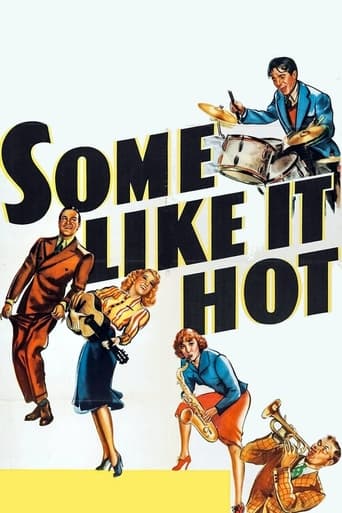 Some Like It Hot · 1939
Some Like It Hot
★ 7.61939
MovieComedyMusic
Nicky Nelson is a fast-talking sideshow barker with a wax-and-alive concession on Atlantic City's boardwalk. Even with the band of his friend, struggling musician Gene Krupa, playing on the sidewalk to attract the customers, "The Living Corpse" and other low-rent acts aren't enough to lure the seen-it-all boardwalk strollers, and the landlord closes the show in lieu of never-paid rent. Nicky, always promoting, goes to Stephen Hanratty, head of the pier's Dance Pavilion, to plug Krupa's band as an attraction, but Hanratty won't even listen to them. But, while there, he meets singer Lily Racquel, who knows he is a phoney but might have the ability to to talk a radio-station manager into giving her an audition. She gives him a ring to help finance the project; he promptly loses it in a crap-game.
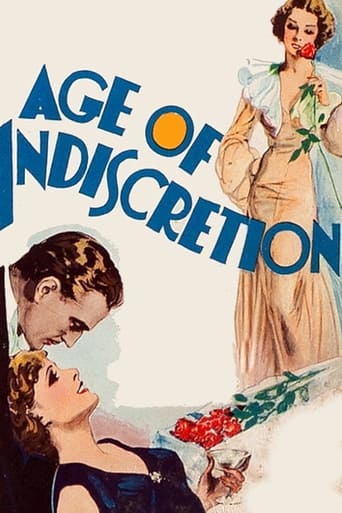 Age of Indiscretion · 1935
Age of Indiscretion
★ 4.91935
MovieRomanceDrama
A book publisher finds his business floundering, which prompts his socially ambitious wife to desert him for a society millionaire, leaving him with their young son. The publisher's fortunes improve dramatically, however, when a best-selling romance novelist decides to publish her new book with his firm. In the meantime, his ex-wife has married the millionaire, and she and her new mother-in-law come up with a plan to sue her ex-husband for custody of the boy.
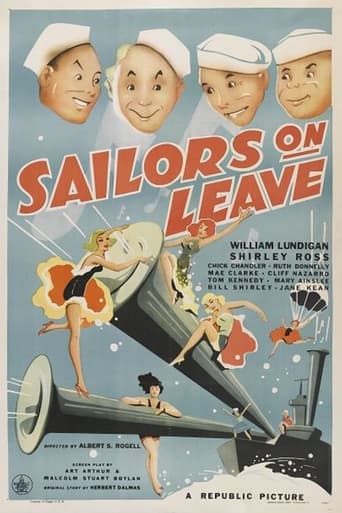 Sailors on Leave · 1941
Sailors on Leave
★ 8.01941
MovieMusicComedy
If a shy sailor marries before his next birthday, he will inherit a fortune.
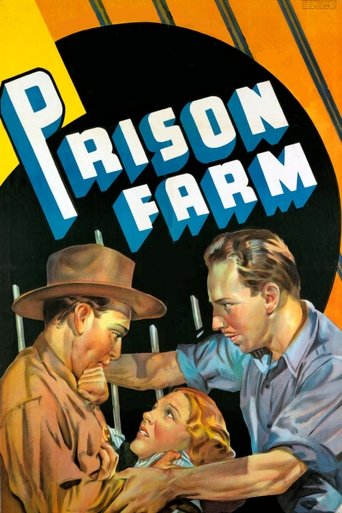 Prison Farm · 1938
Prison Farm
★ 6.81938
MovieDramaCrime
Shirley Ross plays an innocent young girl convicted for complicity in a crime committed by her boy friend (Lloyd Nolan). The male crook is sentence to six months on a prison farm populated by both men and women (segregated, of course). Ross is also incarcerated, suffering the cruelties of the sadistic male and female guards (including J. Carroll Naish and future "Ma Kettle" Marjorie Main!)
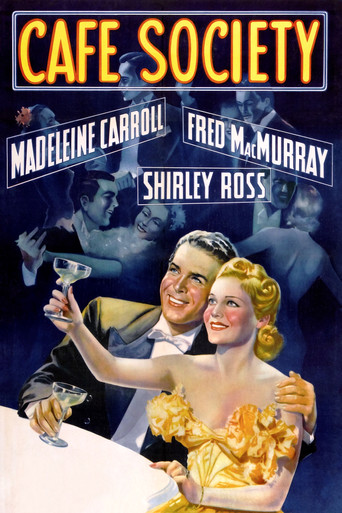 Cafe Society · 1939
Cafe Society
★ 7.51939
MovieComedyRomance
A pampered heiress (Madeleine Carroll) elopes with a shipboard reporter (Fred MacMurray) just to get her name in a society column.
Filmography
Sort

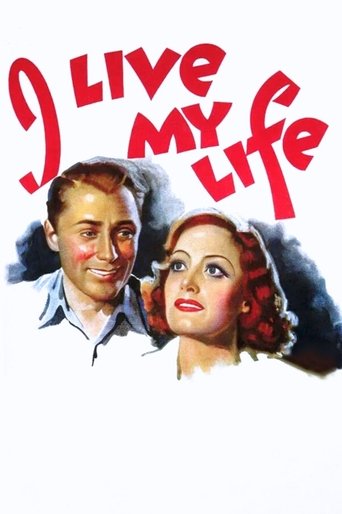 I Live My Life · 1935
I Live My Life
★ 6.61935
MovieComedyDrama
A society girl tries to make a go of her marriage to an archaeologist.
Vi (Uncredited)
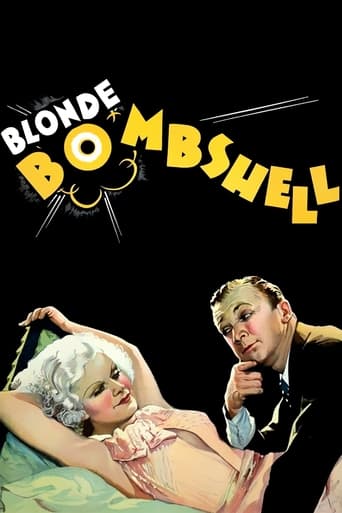 Bombshell · 1933
Bombshell
★ 6.51933
MovieComedyRomance
A glamorous film star rebels against the studio, her pushy press agent and a family of hangers-on.
Singer (uncredited)