J
Sound
Jean Baronnet
Born January 1, 1929 · Paris, France (age 97)
No biography available.
Known For
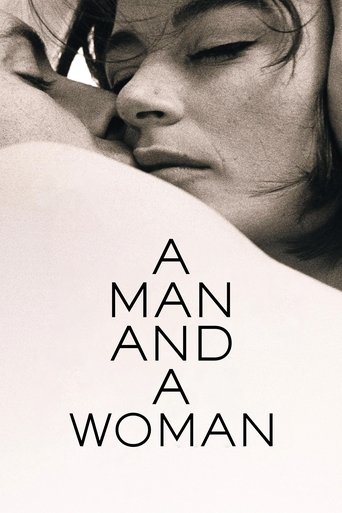 A Man and a Woman · 1966
A Man and a Woman
★ 7.41966
MovieDramaRomance
A man and a woman meet by accident on a Sunday evening at their childrens' boarding school. Slowly, they reveal themselves to each other, finding that they have something deeply in common.
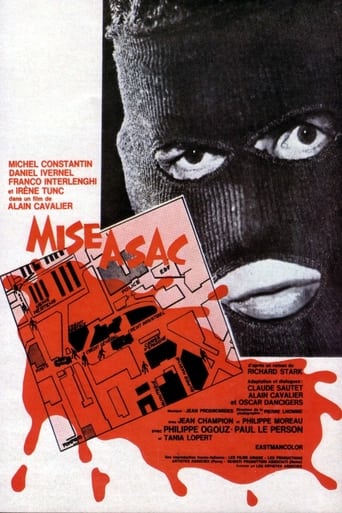 Pillaged · 1967
Pillaged
★ 6.81967
MovieCrime
Over the course of one night, a gang of twelve criminals carry out a commando-like raid on a small town.
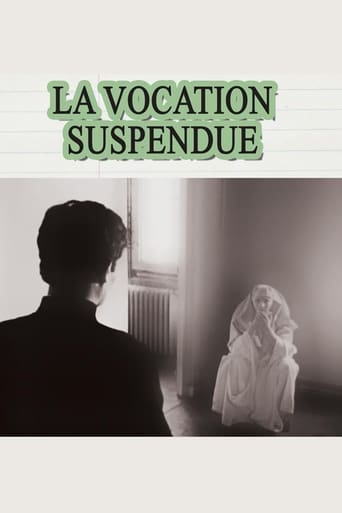 The Suspended Vocation · 1978
The Suspended Vocation
★ 6.61978
MovieDrama
The film centers on a Dominican monk named Jérôme (played by one actor in colour and another actor in black-and-white) and his interactions with various higher-ups within the French Catholic Church. Ruiz's intention was to reflect the ideological arguments that plagued Latin American left-wing political parties.
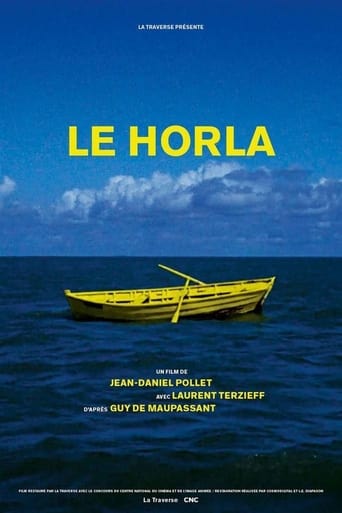 The Horla · 1966
The Horla
★ 6.51966
MovieMystery
A man who lives by himself becomes increasingly concerned that he is not alone. Based on the short story by Guy de Maupassant.
 Une journée au Luxembourg · 1993
Une journée au Luxembourg
1993
MovieDocumentaryTV Movie
 Imagine Robinson Crusoe · 1968
Imagine Robinson Crusoe
★ 5.11968
MovieComedyDrama
A cinematographic poem in the form of variations around the theme of Robinson, a utopian fable freely inspired by Daniel Defoe's novel, which speaks above all of solitude: the immense weakness of today's man in the face of loneliness is no longer that of the hero of the eighteenth century.
 Les Années Zola/Barrès (1898-1918) · 1999
Les Années Zola/Barrès (1898-1918)
1999
Movie
The unity of this period was provided by nationalism. Nationalism of the Dreyfus Affair (Barrès, Maurras, Drumont, Déroulède), the republican nationalism (Péguy), and the nationalism of the "Union sacrée" of the Great War. Pitted against these nationalisms was internationalist and pacifist socialism, which would itself adhere to the "Union sacrée "in 1914. This nationalist tendency also affected the young "Nouvelle Revue française" (Gide, Schlumberger, Copeau, Ghéon, Drouin), which defended the notion literature in its own right, but which itself was shot through with the spirit of the period. In counterpoint : Romain Rolland, author of "Au dessus de la mêlée". This first documentary of the series ends with the Russian Revolution.
 Skinoussa, paysage avec la chute d'Icare · 1982
Skinoussa, paysage avec la chute d'Icare
★ 8.01982
MovieDocumentary
Daily life on the island of Skinoussa, in the Cyclades archipelago.
Filmography
Sort