Acting
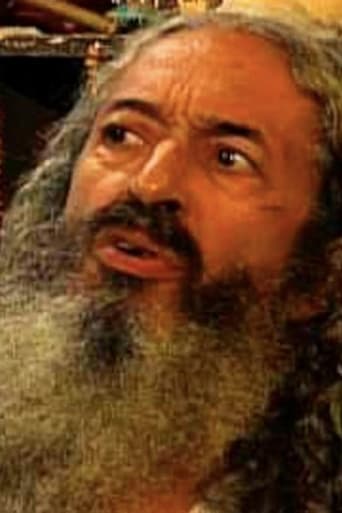
Julio Mota
Born April 8, 1936 · Venezuela
Died August 15, 2023 · aged 87
Venezuelan actor born on April 8, 1936. He excelled in theater, film, and television. Additionally, he was a radio announcer and the official voice of the state channel Venezolana de Televisión.
Known For
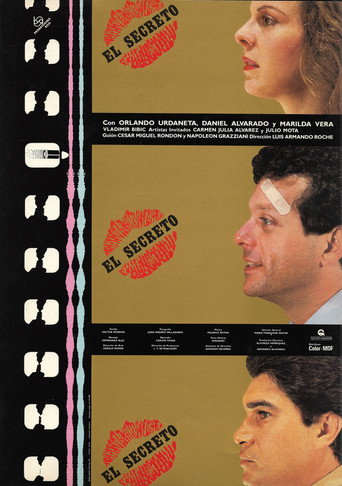 The Secret · 1988
The Secret
★ 9.01988
Movie
Gaspar Urbieta works as a typographer in Maracaibo. The National Guard convinces him to infiltrate an organization of Colombian gold smugglers. Gaspar will experience situations of fear, humour, intrigue and romance with a beautiful and enigmatic blonde. His secret will be so incredible that if he told it, no one would believe it!
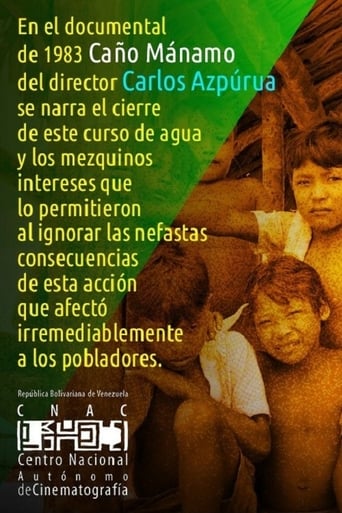 Caño Mánamo · 1983
Caño Mánamo
★ 6.41983
MovieDocumentary
A documentary about the building of a damn near Caño Mánamo and the effects it has on the environment.
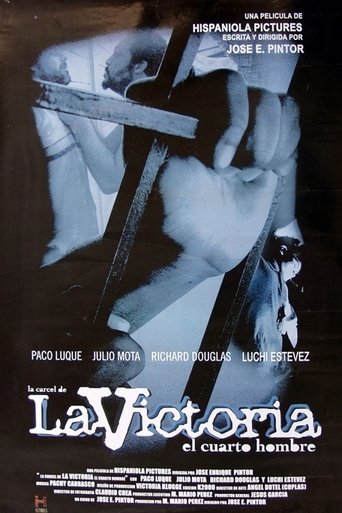 La cárcel de La Victoria: El cuarto hombre · 2004
La cárcel de La Victoria: El cuarto hombre
★ 7.02004
MovieDrama
A man enters the most dangerous prison in Santo Domingo in search of revenge against the man who killed his son.
 Manoa · 1980
Manoa
★ 7.01980
MovieDrama
The intent of novice director Solveig Hoogesteijn to make a drama about two Venezuelans from opposite sides of the economic and social tracks wobbles and weakens in the telling. Although the two compatriots both live in the capital, Caracas, and both love music, they have a need to go out into the rest of the country and discover their roots. As big-city dwellers, they are limited in their perspectives, though this excursion into other areas of Venezuela may prove more illuminating to them than to a foreign audience.
 TVenezuela · 1969
TVenezuela
1969
MovieDocumentaryAnimation
An analysis of the history of television in Venezuela, subjected to economic power and market interests. The film explores the messages that television reproduces through its "anchors" and the much-criticised soap operas.
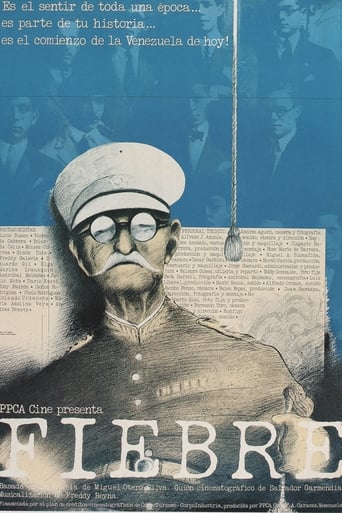 Fiebre · 1976
Fiebre
★ 9.01976
Movie
Vidal Rojas, an opponent of the dictatorship of Juan Vicente Gómez, after failing in a subversive attempt and suffering a romantic disappointment, decides to enlist in the revolutionary groups in the interior of the country.
 El mar del tiempo perdido · 1980
El mar del tiempo perdido
★ 8.01980
MovieDrama
In a coastal town with no name and desolated by poverty, the sea suddenly begins to exhale a scent of roses that transforms the lives of all the villagers.
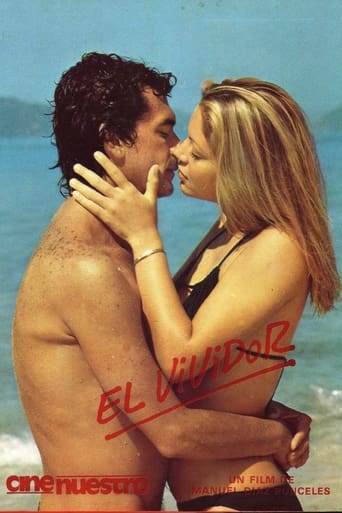 El vividor · 1977
El vividor
★ 10.01977
MovieDrama
Jorge Reina, a libertine and ambitious man, takes advantage of his ability to seduce and influence women to climb the ranks. He finally achieves his goal by marrying the rich heiress of the owner of the newspaper where he works and serving as its editor-in-chief. Drama based on Bel Ami by Guy de Maupassant.