Directing
Donald Myerston
Born July 1, 1945 · Caracas, Venezuela
Died July 23, 2026 · aged 81
Director, screenwriter, editor and producer of radio, film, video, theater and TV since 1965. Founding member of the Department of Film at the University of Los Andes, and a key figure of the New Latin American Cinema movement.
Known For
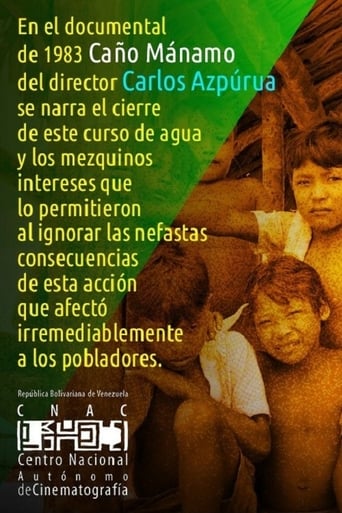 Caño Mánamo · 1983
Caño Mánamo
★ 6.41983
MovieDocumentary
A documentary about the building of a damn near Caño Mánamo and the effects it has on the environment.
 Renovación · 1969
Renovación
★ 10.01969
MovieDocumentary
In 1969, a wave of discontent swept through Latin American universities. In Venezuela, students set out to fundamentally renew the concept and criteria of teaching. This is their story.
 Puros hombres · 1977
Puros hombres
★ 7.01977
MovieDramaHistory
During the dictatorial regime of Juan Vicente Gómez, the bachelor Ibarra is imprisoned for political conspiracy. In prison, the inmates live together remembering the events that led to their imprisonment. Finally, a group, led by the bachelor Ibarra, manages to carry out a plan to escape from the prison.
 Diamantes · 1969
Diamantes
1969
MovieDocumentary
Diamantes, short produced by the ULA, registered the birth of a new town: San Salvador de Paul, the arrival of new residents, farmers who ventured in search of riches, merchants, gamblers, prostitutes, all trying to snatch the momentary wealth of those who discovered the mineral, typical image of underdevelopment.
 Manzanita · 1978
Manzanita
1978
MovieAnimation
Based on a story by Julio Garmendia. Animation about the inferiority complex suffered by the native apple when faced to imported apples.
 Enough! · 1969
Enough!
★ 9.01969
Movie
“Through the use of violent symbols (loosely associated with Artaud’s notion of cruelty), some of the consequences of the current social organization in Latin-America are exposed: the alienation, marginalization and reification of men, and the continuous presence of imperialism, considered as rape.” (UU)
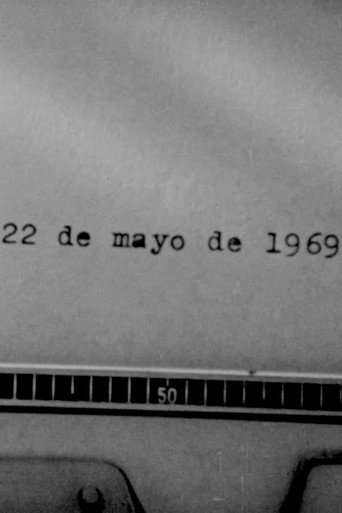 22 de mayo · 1969
22 de mayo
1969
MovieDocumentaryDrama
May 22, 1969. A resident of the hillsides crosses Caracas carrying a portable radio. The editing intercuts these images with footage of the COPEI-led attack on the Central University of Venezuela and the students' resistance. The film was made collectively by Jacobo Borges and members of the Cine Urgente group, together with residents of the neighborhood.
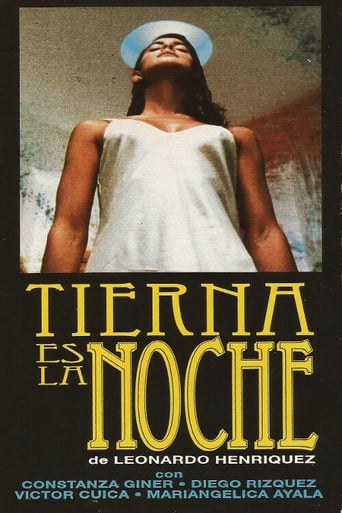 Tierna es la Noche · 1990
Tierna es la Noche
★ 8.51990
MovieDramaMystery
Tierna es la Noche is a film without bullets nor sea, without mosquitoes, without peasants nor flowers. It only contains a barman, a man and a beautiful woman who lives in a bathroom. For commercial reasons, we have included two policemen, a drop of blood and a multilingual nymphomaniac. For aesthetic reasons, a tear and a black man. For both reasons, the film takes place anachronically, during the fifties and nineties in a make-believe city called Caracas. It's a story of histerics, like all stories, unfinished.