Acting
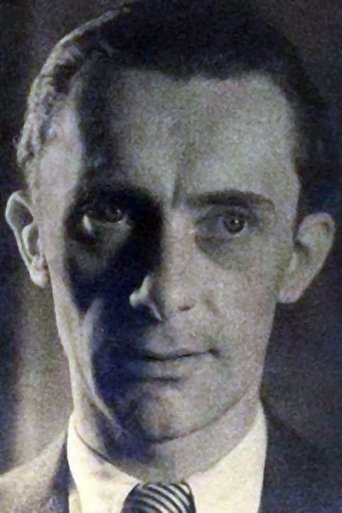
Jérôme Goulven
Born August 15, 1901 · Riom, Puy-de-Dôme, France
Died July 29, 1991 · aged 89
No biography available.
Known For
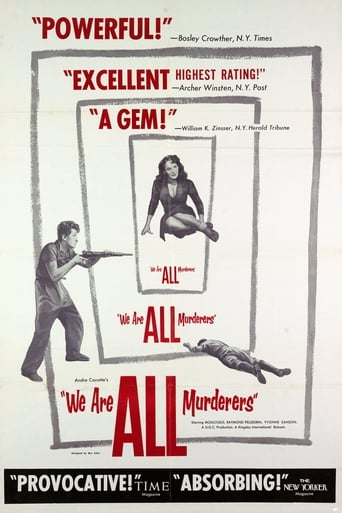 We Are All Murderers · 1952
We Are All Murderers
★ 6.71952
MovieCrimeDrama
Originally titled Nous Sommes Tout des Assassins, We Are All Murderers was directed by Andre Cayette, a former lawyer who detested France's execution system. Charles Spaak's screenplay makes no attempt to launder the four principal characters (Marcel Mouloudji, Raymond Pellegrin, Antoinine Balpetre, Julien Verdeir): never mind the motivations, these are all hardened murderers. Still, the film condemns the sadistic ritual through which these four men are brought to the guillotine. In France, the policy is to never tell the condemned man when the execution will occur--and then to show up without warning and drag the victim kicking and screaming to his doom, without any opportunity to make peace with himself or his Maker. By the end of this harrowing film, the audience feels as dehumanized as the four "protagonists." We Are All Murderers was roundly roasted by the French law enforcement establishment, but it won a special jury prize at the 1952 Cannes Film Festival.
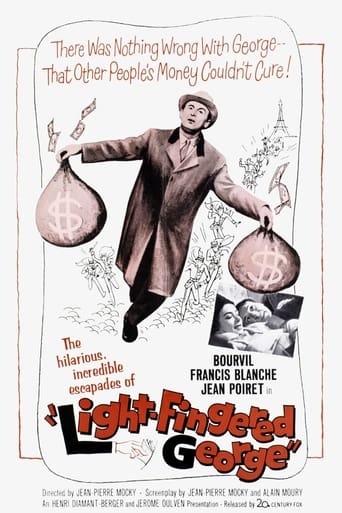 Light-Fingered George · 1963
Light-Fingered George
★ 6.61963
MovieComedy
Georges Lachaunaye is a member of an impoverished aristocratic family which needs money to live but of course doesn't want to work for it. He therefore has to think of something drastic in order for the family to survive. And then it comes to him: he'll rob the collection boxes in churches.
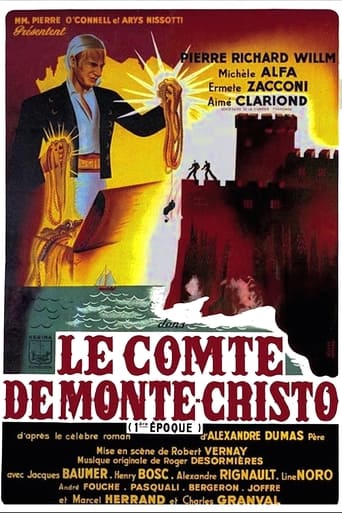 The Count of Monte Cristo Part 1 - The Prisoner of Kastell · 1943
The Count of Monte Cristo Part 1 - The Prisoner of Kastell
★ 6.41943
MovieAdventureDrama
Edmond Dantes is falsely accused by those jealous of his good fortune, and is sentenced to spend the rest of his life in the notorious island prison, Chateau d'If. While imprisoned, he meets the Abbe Faria, a fellow prisoner whom everyone believes to be mad. The Abbe tells Edmond of a fantastic treasure hidden away on a tiny island, that only he knows the location of. After many years in prison, the old Abbe dies, and Edmond escapes disguised as the dead body. Now free, Edmond must find the treasure the Abbe told him of, so he can use the new-found wealth to exact revenge on those who have wronged him.
 Head Against the Wall · 1959
Head Against the Wall
★ 6.81959
MovieDrama
An aimless young man is committed to a psychiatric hospital by his father in an attempt to cure him of his delinquent tendencies.
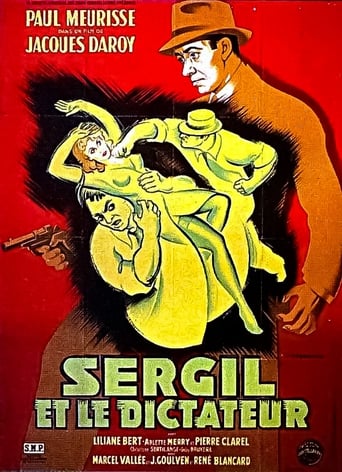
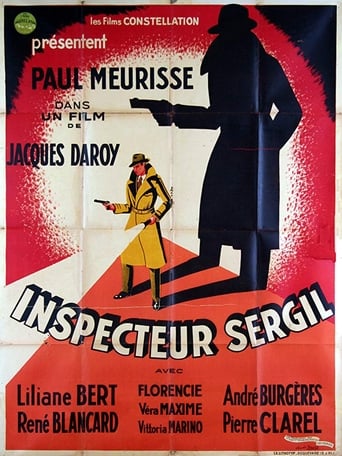 Inspector Sergil · 1947
Inspector Sergil
★ 7.01947
MovieComedyThriller
Inspector Sergil is a detective comedy. Sergil, inspector of the P.J., investigates three crimes, helped by two pretty women, Bijou and Nadège.
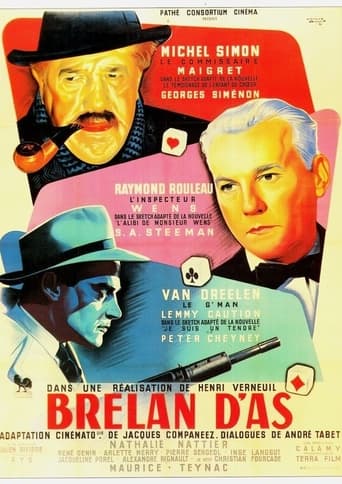 Full House · 1952
Full House
★ 6.91952
MovieCrimeMystery
Anthology film with three shorts each featuring a famous detective: Monsieur Wens, Lemmy Caution and Maigret.
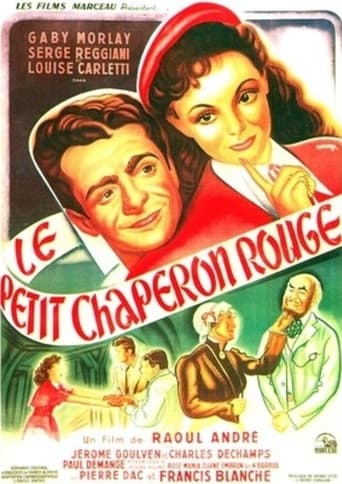 Good Enough to Eat · 1951
Good Enough to Eat
★ 6.81951
Movie
Rose Chaperon is asked by her confectioner mother Mathilde to bring jewels to her sick grandmother, Madame de Mergrand. But Hugues, the latter's brother, is prepared to do anything to get his hands on the loot. To this end he hires a villainous young man, Jean-Louis nicknamed Loup, to do the job. Will Loup engulf and devour Little "Rose "Riding Hood?
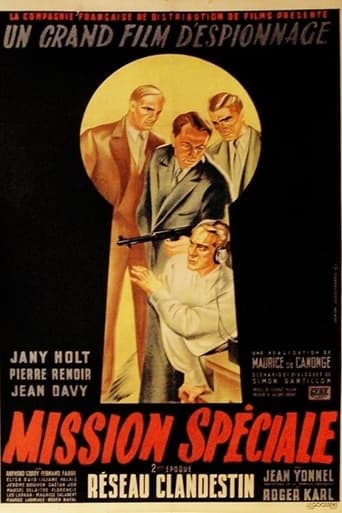 Special Mission · 1946
Special Mission
★ 7.01946
MovieDramaWar
The exploits of Chief Police Inspector Chabrier, first before the invasion of France in May 1940 as he fights against spies preparing the coming the Germans, particularly Emmy de Welder, the alleged manager of the Rouen hospital. Later, Chabrier and his men go underground and resist the occupiers whatever the price to pay. When the Liberation comes Chabrier resumes his activities at the French National Police.
Filmography
Sort
Full House · 1952Full House
★ 6.91952
MovieCrimeMystery
Anthology film with three shorts each featuring a famous detective: Monsieur Wens, Lemmy Caution and Maigret.
Simon Lesueur, second-hand dealer (segment "Le témoignage d'un enfant de choeur")