Directing
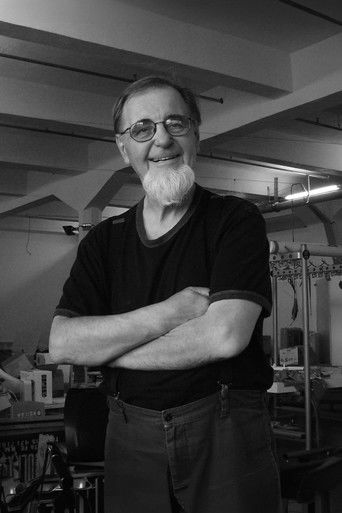
Woody Vasulka
Born January 20, 1937
Died December 20, 2019 · aged 82
Woody Vasulka was a Professor at the Center for Media Study at SUNY Buffalo from 1973 to 1979. With his wife Steina, he founded The Kitchen, a New York City electronic media theater in 1971.
Known For
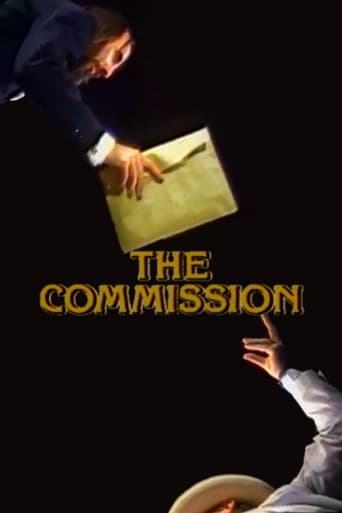 The Commission · 1983
The Commission
1983
Movie
This work is Woody's first entry into the narrative sphere, whereby the "story" is continually undermined with the aid of various anti-narrative strategies: In each of the eleven segments of this "electronic opera", different effects are used. Fascinated with the remarkable personality of infamous violinist Niccola Paganini and his complicated relationship to Hector Berlioz (played by artists Ernie Gusella and Robert Ashley, respectively), the author meditates over the intricacies of artistic geniality as connected not only with fame but also with the necessity of painful survival under the pressures of the art market.
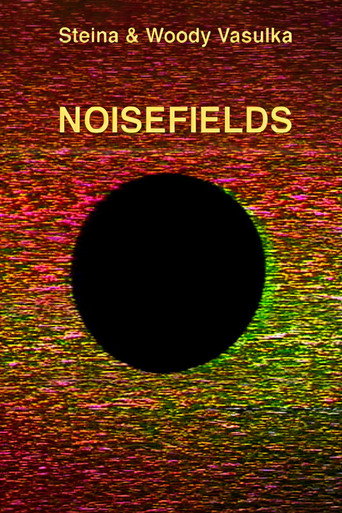 Noisefields · 1974
Noisefields
1974
Movie
This is an attempt to process abstract images without the use of camera. The central circle divides the creen into two parts that continually vibrate hypnotically and change colors to the accompanying rumbling of modulated sound.
NEW
FAMU 80 – Best of · 2026FAMU 80 – Best of
2026
MovieDocumentaryAnimation
This series of short films offers a representative cross-section of the work produced at this famous Prague film school over the course of its 80-year history.
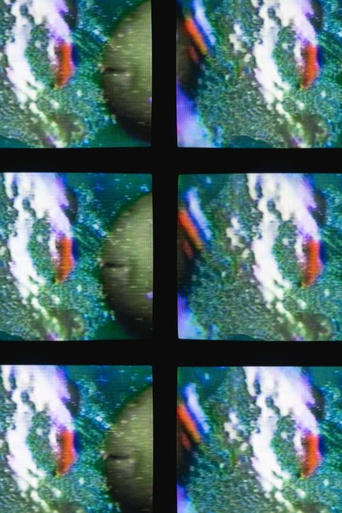 Matrix II · 1974
Matrix II
1974
MovieDocumentary
Matrix II explores the properties of images and sounds in the medium of video. Geometric shapes travel across a ‘matrix’ (grid) of cathode ray tube (CRT) screens. CRT televisions, which use manipulated electron beams to display images on a fluorescent screen, remained in widespread use until the early 2000s. The Vasulkas sought to test the limits of each monitor, creating a fluid motion resembling the behaviour of electronic signals. Matrix II is an early example of video art, which first developed in the late 1960s and 1970s as artists came into contact with new consumer technologies for capturing moving images.
 Golden Voyage · 1973
Golden Voyage
1973
Movie
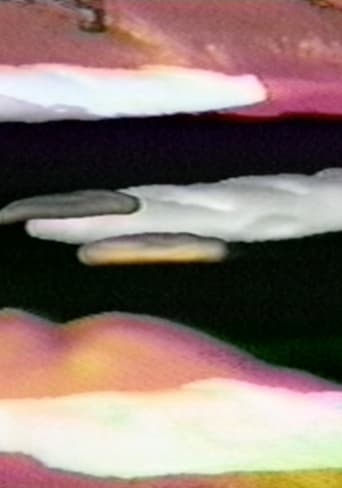
The work is inspired by the surrealist René Magritte's unsettling painting La Legende doree, depicting French baguettes flitting in a window frame. Woody and Steina used a three-camera construction and through the use of horizontal deflection created objects migrating through a landscape. Maureen Turim called this work "a meta-discourse on painting and video".
 Thierry · 1970
Thierry
1970
Movie
One of the works assembled in the series Sketches. These early sketches, created not without the irony, examine ways of manipulating the video image. They indicate that the documentary trend in the Vasulkas' work was from the beginning mingled with free experimentation. These short tapes were modified from the early documentary tapes.
 Voice Windows · 1986
Voice Windows
1986
Movie
With Voice Windows (1986), Steina renews her efforts to generate a complex sound-image interface
 Interface · 1970
Interface
1970
Movie
An Interface not only between two continually switched over images but also between documentary tape, imagery taken from "reality", and its transformation in the electronic sphere.
Filmography
Sort