Acting
Koichi Ose
Born October 27, 1937 · Yokohama, Japan (age 88)
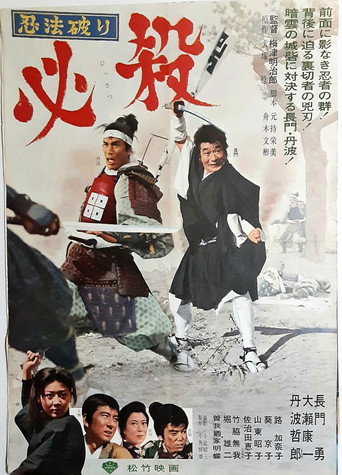
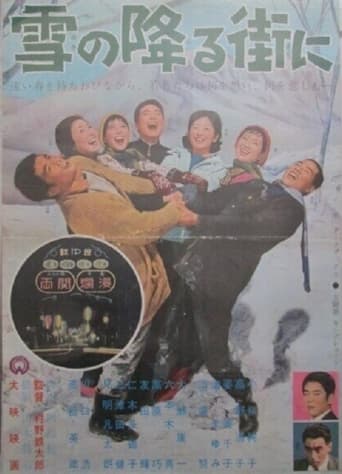
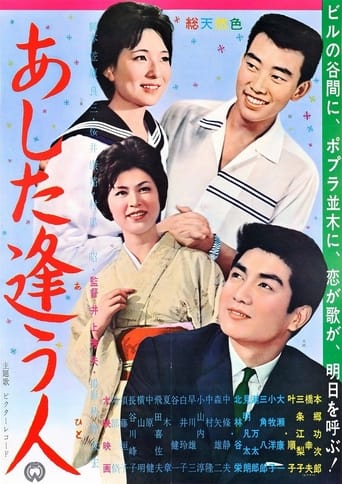
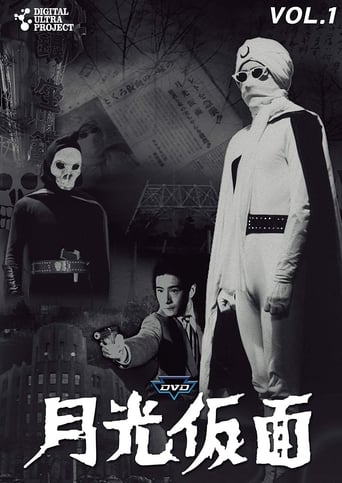
Ose Koichi was born 27th October 1937 in Yokohama. His real name is Ose Kazunari. He graduated from Keio University School of Foreign Languages. In 1952 he entered the Daiei film company (they made Rashomon among other films) and appeared in a number of films. In 1958 he starred in the TV series Gekko kamen where he gained tremendous popularity with children as the mysterious masked hero. This ser…
Known For
 The Intermission · 2013
The Intermission
★ 7.02013
MovieComedy
A unique black comedy set in Ginza Cinepathos, a long-established movie theater that closes at the end of March 2013 while being familiar to movie fans with its retro appearance and unique lineup. Unique guests visiting the theater draw a human pattern during breaks.
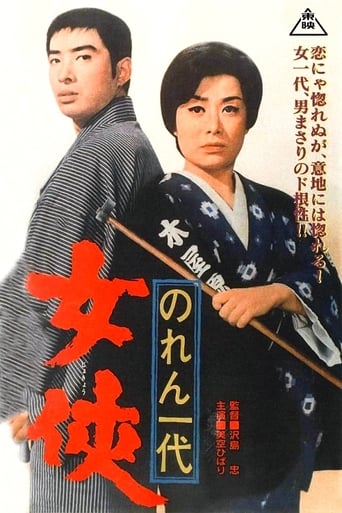 The Protector · 1966
The Protector
★ 8.51966
MovieCrimeDrama
Mine, the only daughter of Kiyagen, is faced with running the family's timber business when her father falls ill. Under a great deal of pressure to continue the five generation long run of the business, Mine is put to the ultimate test when a former gangster sets his sights on closing her down.
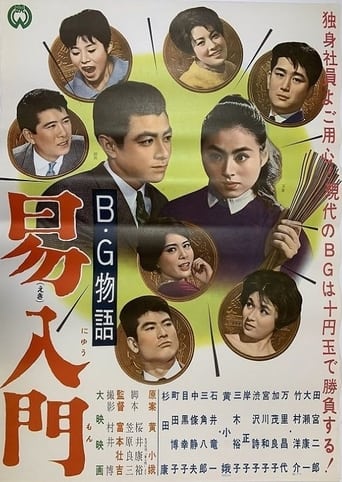 B.G. monogatari: Ekinyūmon · 1962
B.G. monogatari: Ekinyūmon
1962
Movie
1962 Japanese movie
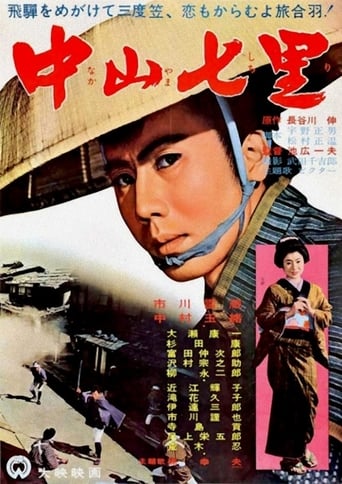 Seven Miles to Nakayama · 1962
Seven Miles to Nakayama
★ 7.01962
MovieActionHistory
When a corrupt magistrate rapes Oshima, Masa (Raizō Ichikawa) avenges her by killing the officer, becoming thereby a fugitive, haunted and grief-stricken by the fact that Oshima committed suicide. Going underground in the gambling world, perpetually hiding from the law, Masa eventually meets a young woman named Onaka, who looks exactly like Oshima. Tales having two look-alike heroines are a commonplace in Japanese period films, a plot affectation inherited from the kabuki theater. Based on a novel by Shin Hasegawa, Nakayama shichiri was already twice filmed in 1930, one version directed by Namio Ochiai, and from which less than 40 minutes survive, the other directed by Kyotaro Namiki. Both are silent films, preserved by the Makino film institute.
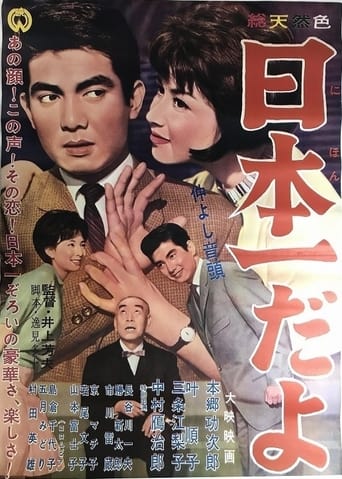 Nakayoshi ondo: Nippon ichi dayo · 1962
Nakayoshi ondo: Nippon ichi dayo
1962
Movie
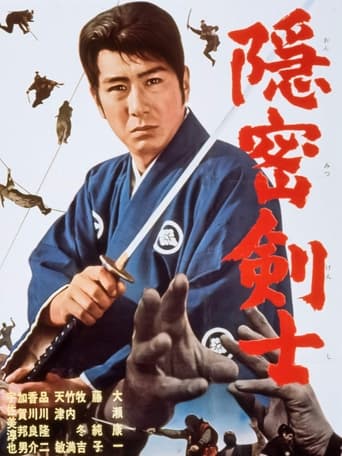 The Detective Fencer · 1964
The Detective Fencer
1964
MovieAdventureAction
Young swordsman Shintaro must fight against evil officials who plot to overthrow the youthful Shogun.
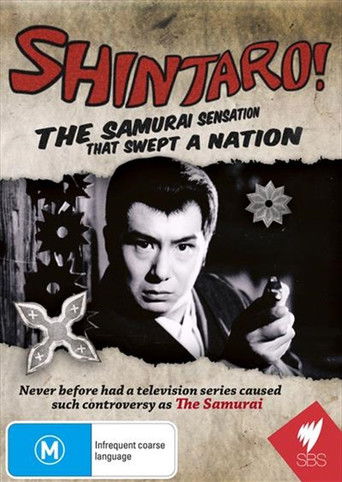 Shintaro! · 2009
Shintaro!
2009
MovieDocumentary
In 1964, a sensation swept through Australian lounge rooms leaving an indelible impression on the children of that generation. That sensation was The Samurai -the first foreign cult television series from Japan to be broadcast in Australia.
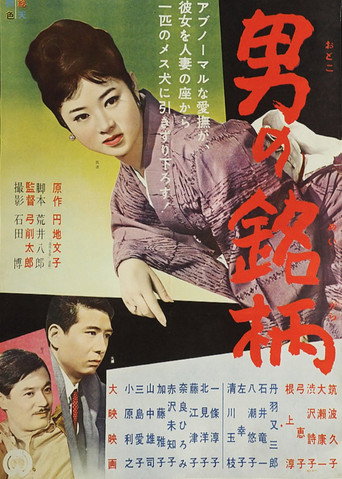 Otoko no meigara · 1961
Otoko no meigara
1961
MovieDrama
A unique literary work depicting the crisis in the love and physical relationship of the ordinary Shimura couple.
Filmography
Sort