Writing
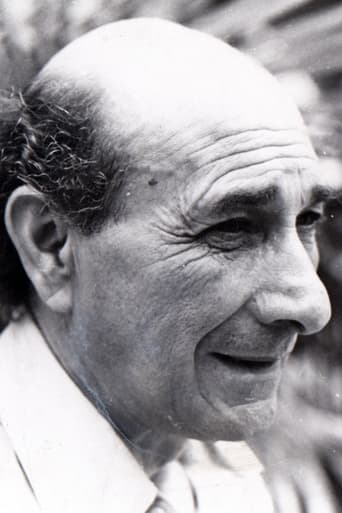
Luis Cornejo
Born March 13, 1925 · Santiago, Chile
Died November 17, 1992 · aged 67
No biography available.
Known For
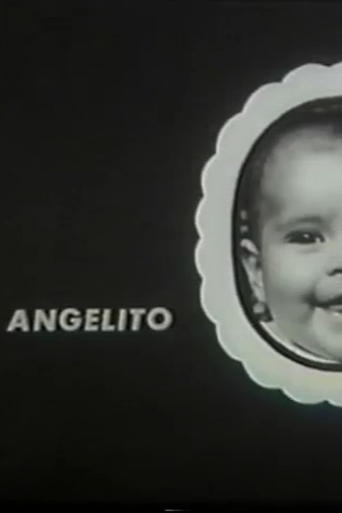 Angelito · 1965
Angelito
1965
MovieDrama
A maid loses all her jobs because her son cries at night, and that bothers her bosses. The play portrays the wandering and desperation of the protagonist to get a job, which ends in her failed attempts due to the "Angelito".
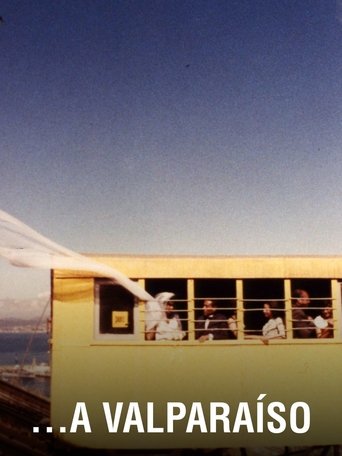 Valparaiso · 1964
Valparaiso
★ 7.01964
MovieDocumentary
In 1962 Joris Ivens was invited to Chile for teaching and filmmaking. Together with students he made …A Valparaíso, one of his most poetic films. Contrasting the prestigious history of the seaport with the present the film sketches a portrait of the city, built on 42 hills, with its wealth and poverty, its daily life on the streets, the stairs, the rack railways and in the bars. Although the port has lost its importance, the rich past is still present in the impoverished city. The film echoes this ambiguous situation in its dialectical poetic style, interweaving the daily life reality (of 1963) with the history of the city and changing from black and white to colour, finally leaving us with hopeful perspective for the children who are playing on the stairs and hills of this beautiful town.
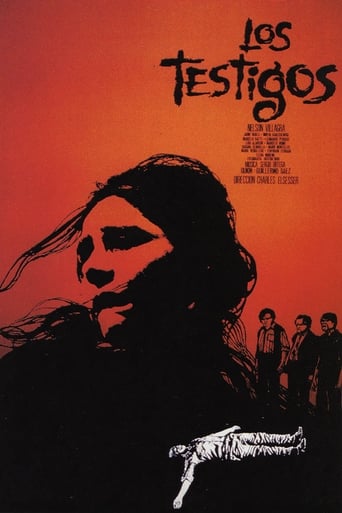 The Witnesses · 1971
The Witnesses
★ 6.51971
MovieDrama
This stark Chilean melodrama concerns itself with the plight of slum dwellers living outside Santiago. For many years they have, with great difficulty, been faithfully paying small sums to a real estate man. This man has said that by doing so they can obtain title to the miniscule plots of land their houses stand on. In fact, he has been swindling them and does not even own the land he has been "selling." One of the aggrieved slum dwellers confronts him about this while he is visiting the slum, and the real estate agent shoots him before everyone's eyes. The question confronting these witnesses is whether testifying against this monster will make their lives even more precarious.
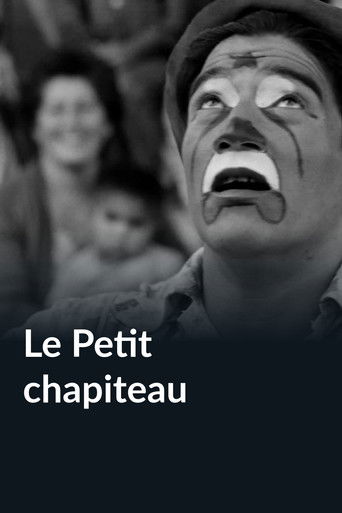 The Small Tent · 1963
The Small Tent
★ 6.01963
MovieDocumentary
Shot alongside "À Valparaíso," "The Small Tent" observes a small circus performance perched high above the city and focuses on the faces and reactions of the children in its audience. The film offers a tender, poetic look at fleeting joy and communal spectacle.
 El fin del juego · 1970
El fin del juego
★ 5.61970
MovieDrama
A man squanders all of his wife's fortune in gambling and drinking. Now in financial crisis, the woman tries to keep their home afloat, while he plays, gets drunk and lives off his friends charity and good will.
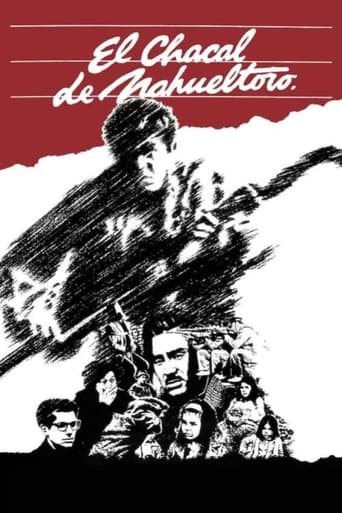 Jackal of Nahueltoro · 1970
Jackal of Nahueltoro
★ 6.81970
MovieDramaThriller
Based on an actual murder case that ignited a furious debate over the death penalty in Chile in 1960, this experimental social drama portrays the life and death of an illiterate peasant who, while drunk, murdered the woman with whom he had a relationship and her five children.
 Three Saturday Nights · 2002
Three Saturday Nights
2002
MovieComedy
The seductive quality of the night of a saturday where both the rich and the poor experience the drunken urgency of the party and the clock.
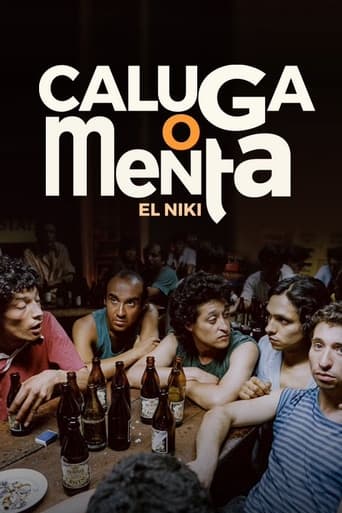 Caluga o Menta · 1990
Caluga o Menta
★ 7.01990
MovieCrimeDrama
Niki and his friends are members of the marginalised underclass living on the outskirts of Santiago. During Chile's transition from dictatorship to democracy (1988-1990), they forge a path from drug- and drink-fuelled nihilism and petty crime into the world of market-driven illegality and Niki begins a seemingly predestined relationship with the middle-class "loca", Manuela. Memorable episodes and characters, quotable dialogue and a mix of earthy national portrait and surrealistic flourish make this one of the key Chilean films of the Nineties.
Filmography
Sort