Directing
Júlio Bressane
Born February 13, 1946 · Rio de Janeiro, Rio de Janeiro, Brazil (age 80)
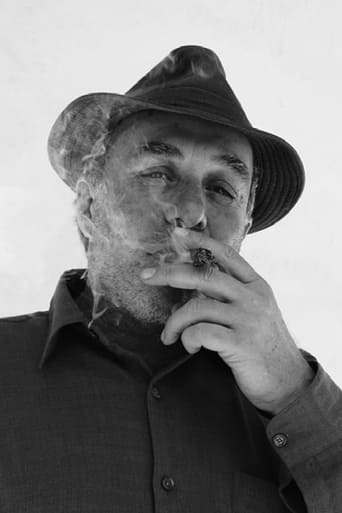
Júlio Eduardo Bressane de Azevedo (Rio de Janeiro, February 13, 1946 ) is a Brazilian filmmaker and writer. A representative of the Brazilian Cinema Marginal, he began making films as an assistant director of Walter Lima Jr., in 1965. In 1967, Bressane debuted as director with Face to Face, being selected for the Festival of Brasilia. In 1970, he founded Belair Movies in company with fellow filmm…
Known For
 Venice 70: Future Reloaded · 2013
Venice 70: Future Reloaded
★ 5.02013
MovieDramaDocumentary
Made for the Venice Film Festival's 70th anniversary, seventy filmmakers made a short film between 60 and 90 seconds long on their interpretation of the future of cinema.
 Miramar · 1997
Miramar
★ 6.21997
MovieDrama
Story with some autobiographical touches taken from director's life.
 Sentimental Education · 2013
Sentimental Education
★ 5.32013
MovieDramaRomance
Sentimental Education centers on the unique relationship between Áurea, a lonely 40 year old teacher, and a young man she has just met by chance – one of these encounters which mythology and literature are full of. A delicate soul who finds itself attracted to a beauty that seems to demand, disturb and move her. That shakes her up entirely. During the days following their first conversation, she will expose all her feelings through classes in which he will let himself be carried away. Until an unusual episode from the past is revealed and changes everything.
 O Guesa · 1969
O Guesa
1969
MovieDocumentary
"Life and work of the Maranhense poet Sousândrade (1833-1902), illustrated with engravings on Brazilian history, from the discovery to the proclamation of the Republic."
 Days of Nietzsche in Turin · 2002
Days of Nietzsche in Turin
★ 5.52002
MovieDrama
A cinematographic essay, without dialogues, about the months Nietszche spent in Turin, Italy, with narration quoted by his original writings.
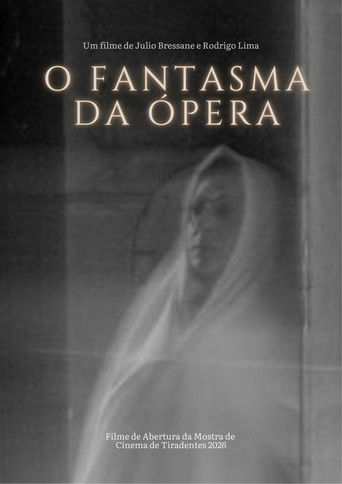 Phantom of the Opera · 2026
Phantom of the Opera
2026
Movie
We see the film, not the cinema; cinema remains hidden within the film. Cinema is the Phantom of the Opera. A movement and a moment of transition, the Phantom fades away with each opera. It disappears and then reemerges in another, and another, and another, and yet another opera.
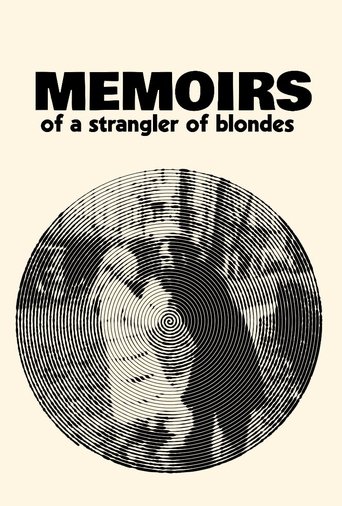 Memoirs of a Strangler of Blondes · 1971
Memoirs of a Strangler of Blondes
★ 7.41971
MovieDramaHorror
First film by Julio Bressane shot in exile, "Memoirs" is a film about a man who repeatedly kills the same type of woman in same places, the same way. Filmed on the streets of London.
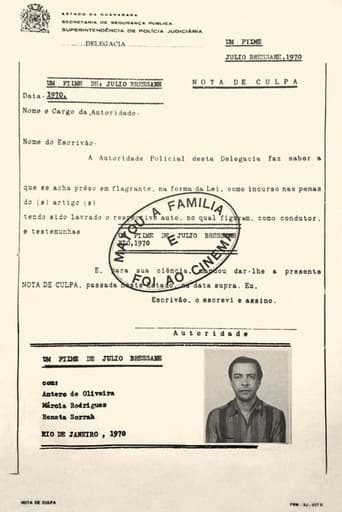
 Killed the Family and Went to the Movies · 1991
Killed the Family and Went to the Movies
★ 5.51991
MovieDramaComedy
In Rio de Janeiro, after an altercation with his father and mother, a young man named Bebeto kills his family and goes to a movie theater, where he watches four weird vignettes.
Filmography
Sort