Acting
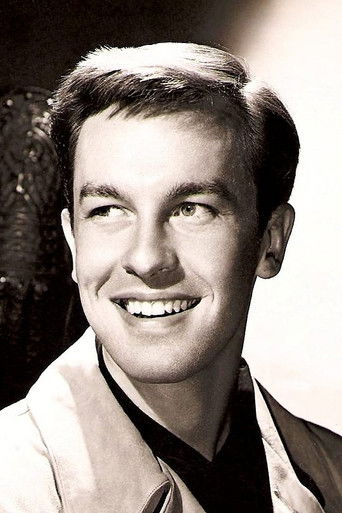
John Dall
Born May 26, 1920 · New York City, New York, USA
Died January 15, 1971 · aged 50
John Dall (May 26, 1920 – January 15, 1971) was an American actor. Primarily a stage actor, he is best remembered today for two film roles; the cool-minded intellectual killer in Alfred Hitchcock's film Rope, and the trigger-happy lead in the 1950 noir Gun Crazy. He first came to fame as the young prodigy who comes alive under the tutelage of Bette Davis in The Corn Is Green, for which he was no…
Known For
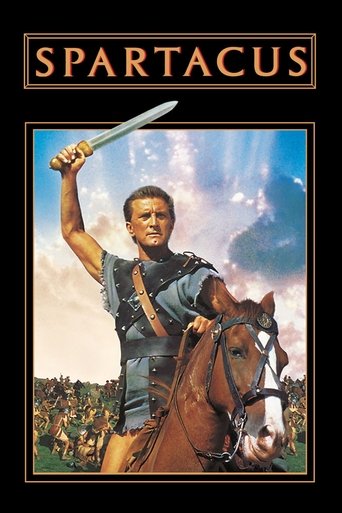 Spartacus · 1960
Spartacus
★ 7.51960
MovieHistoryDrama
The rebellious Thracian Spartacus, born and raised a slave, is sold to Gladiator trainer Batiatus. After weeks of being trained to kill for the arena, Spartacus turns on his owners and leads the other slaves in rebellion. As the rebels move from town to town, their numbers swell as escaped slaves join their ranks. Under the leadership of Spartacus, they make their way to southern Italy, where they will cross the sea and return to their homes.
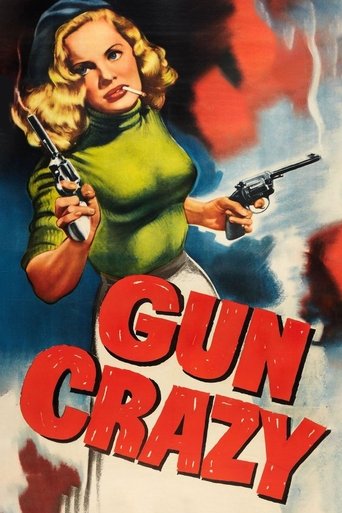 Gun Crazy · 1950
Gun Crazy
★ 7.41950
MovieCrimeRomance
Bart Tare, an ex-Army man who has a lifelong fixation with guns, meets a kindred spirit in sharpshooter Annie Starr and goes to work at a carnival alongside her. After upsetting the carnival owner who lusts after Starr, they both get fired. Soon, at Starr's behest, the couple embarks on a crime spree for cash.
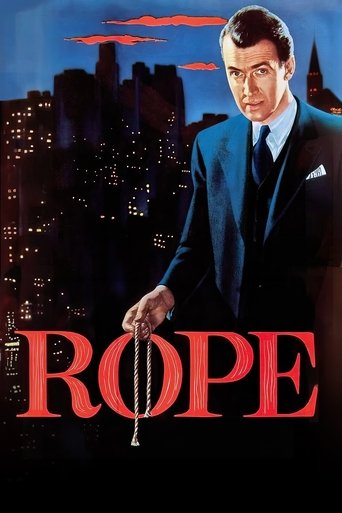 Rope · 1948
Rope
★ 7.91948
MovieThrillerCrime
Two young men attempt to prove they committed the perfect murder by hosting a dinner party for the family of a classmate they just strangled to death.
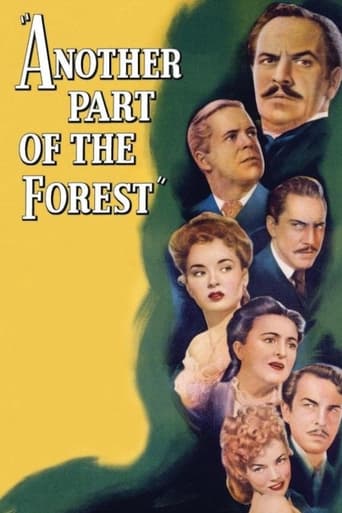 Another Part of the Forest · 1948
Another Part of the Forest
★ 7.81948
MovieDramaRomance
This 'prequel' to The Little Foxes tells how the ruthless members of the old-South Hubbard family got that way.
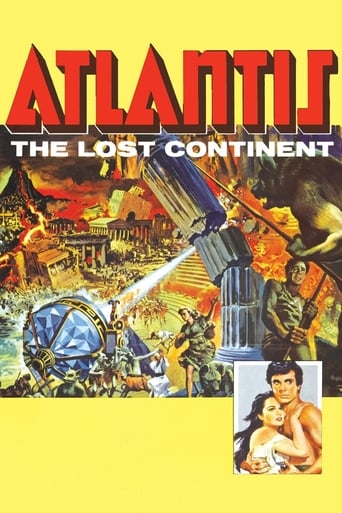 Atlantis: The Lost Continent · 1961
Atlantis: The Lost Continent
★ 5.11961
MovieAdventureFantasy
A Greek Fisherman brings an Atlantean Princess back to her homeland which is the mythical city of Atlantis. He is enslaved for his trouble. The King is being manipulated by an evil sorcerer who is bent on using a natural resource of Atlantis to take over the world. The Atlanteans, or rather the slaves of Atlantis, are forced to mine a crystalline material which absorbs the suns rays. These crystals can then be used for warmth. The misuse of science has created weapons out of the crystals that can fire a heat ray to destroy whatever it touches.
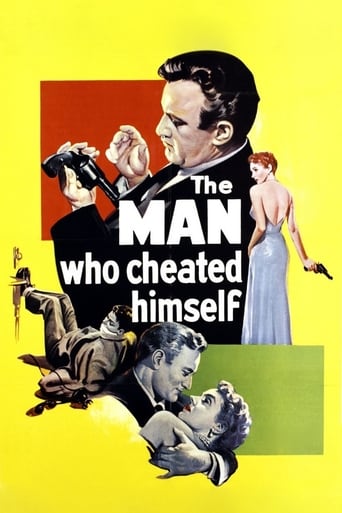 The Man Who Cheated Himself · 1950
The Man Who Cheated Himself
★ 6.21950
MovieCrimeThriller
A veteran homicide detective who has witnessed his socialite girlfriend kill her husband sees his inexperienced brother assigned to the case.
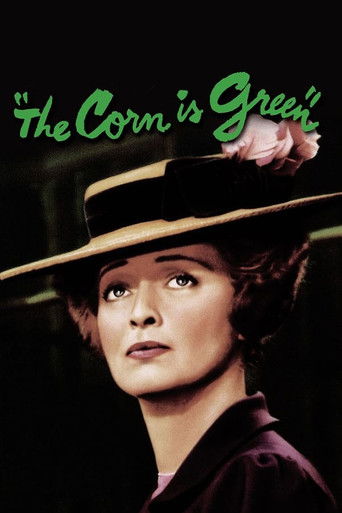 The Corn Is Green · 1945
The Corn Is Green
★ 7.21945
MovieDrama
When a teacher reads an essay written by Morgan Evans, one of the boys, moved by his rough poetry she decides to hold classes in her house and believes that Morgan is smart enough to attend Oxford.
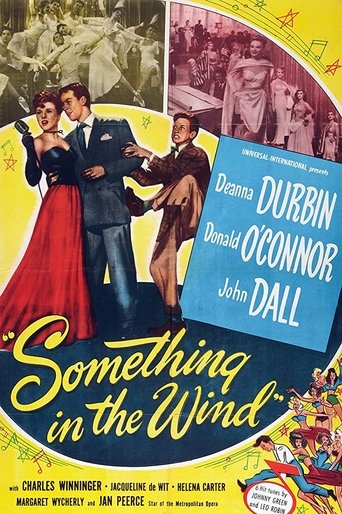 Something in the Wind · 1947
Something in the Wind
★ 7.01947
MovieComedyMusic
A grandson of a recently deceased millionaire mistakes a beautiful female disc jockey for her aunt, who once dated the grandfather.
Filmography
Sort