Directing
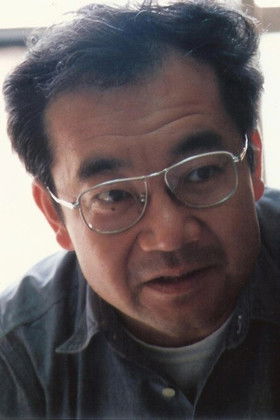
Makoto Satō
Born September 12, 1957 · Aomori, Japan
Died September 4, 2007 · aged 49
Makoto Satō was a Japanese documentary film director.
Known For
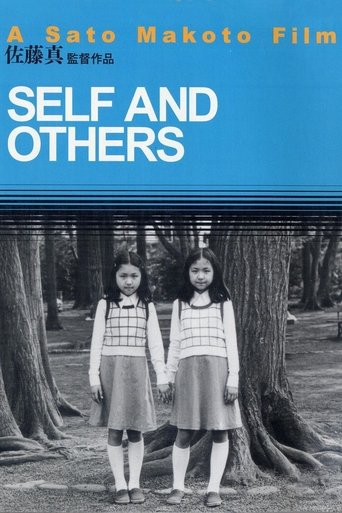 Self and Others · 2001
Self and Others
★ 6.02001
MovieDocumentary
In 1983, photographer Gocho Shigeo met an early death at the young age of 36. The view we see reflected in Gocho’s photographic images has become more profound over time since his death and has struck a chord in people’s hearts. While focusing on Gocho’s collection of photographs Self and Others, the film also visits places associated with him, creating a collage with the manuscripts, letters, photographs and voice recordings remaining in an attempt to capture “one more gesture”—a theme pursued by Gocho through photographic expression. This film is neither a critical biography nor a monograph on the photographer. Rather, we are offered a new perception. As if mesmerized, the photographs Gocho left behind captivate us in their gaze.
 Out of Place: Memories of Edward Said · 2006
Out of Place: Memories of Edward Said
★ 6.32006
MovieDocumentary
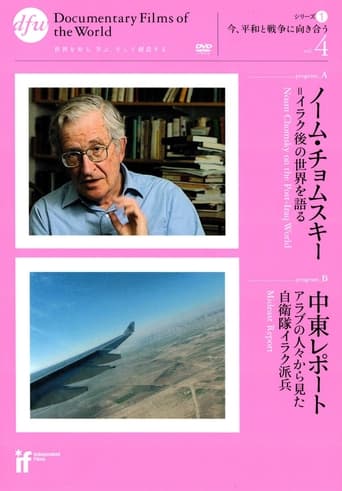
Documentary filmmaker Makoto Sato offers this reflection on the life and career of Edward Said, the deeply influential literary and cultural critic, Columbia University academic, and outspoken advocate for displaced Palestinians, of whom he was one. Exploring the landscapes of Said's childhood and how they influenced his philosophy, this film features rare footage of Said and interviews with many of his colleagues, including Noam Chomsky.
 Living on the River Agano · 1992
Living on the River Agano
★ 8.01992
MovieDocumentary
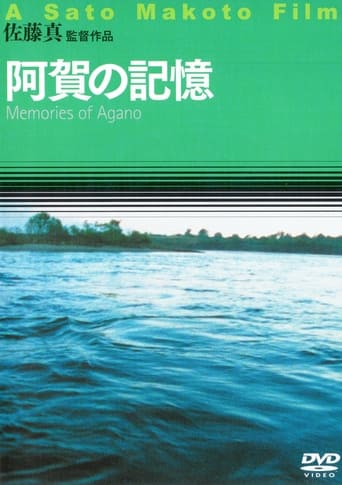
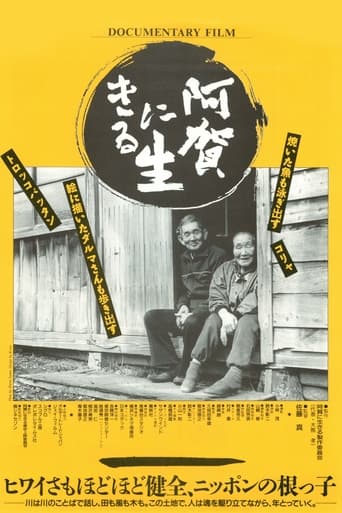
In 1964, a chemical factory in Niigata Prefecture dumped mercury into the Agano River, the beginning of a manmade tragedy that would affect locals for years to come. Mercury poisoning led to high occurrences of Minamata disease, a neurological syndrome that causes severe physical and psychological ailments and death. Sato Makoto and his crew of seven spent three years in Niigata documenting the life and thoughts of locals.
 Artists in Wonderland · 1999
Artists in Wonderland
★ 9.01999
MovieDocumentary
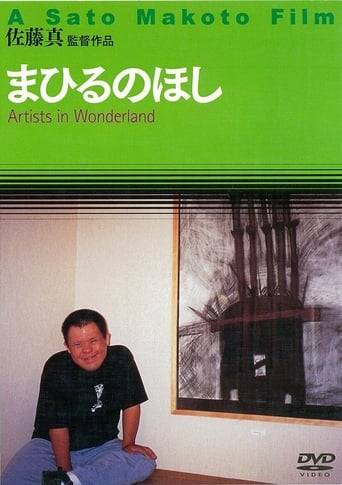
This is a film about seven artists. It's also a film about seven people who are mentally handicapped. In the course of this touching film, we discover how art may provide a route to the human interior.
 The Cheese & The Worms · 2006
The Cheese & The Worms
★ 6.02006
MovieDocumentary
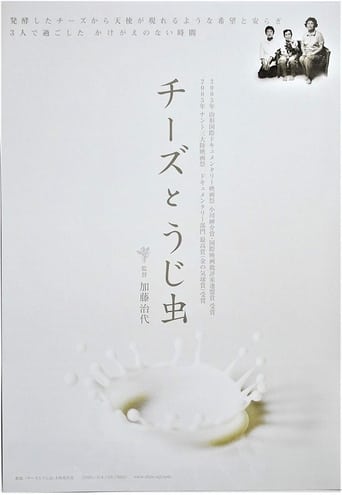
A documentary that records the daily life of a mother with a limited life expectancy and a grandmother, directed by the daughter, Haruyo Kato.
 The Innocent Sea · 1983
The Innocent Sea
1983
MovieDocumentary
This documentary follows the lives of Minamata disease victims who still suffer a quarter of a century later.
 Letter from a Goddess · 1999
Letter from a Goddess
1999
MovieDocumentary
Documentary, 16mm
 And Life Goes On · 2005
And Life Goes On
2005
MovieDocumentary
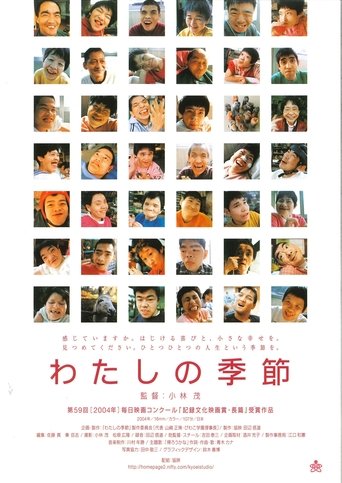
The Number 2 Lake Biwa School has cared for severely physically handicapped children for over 40 years. The renovation of the old and crumbling facilities provided the inspiration for making this film, which mixes 16mm synch sound sequences of the lives of the people in the home and their families with 8mm footage from the time when the school was founded and the earlier years of some of the inhabitants. Each of the residents has a different story to tell. One of the long-term residents decides to leave the facility and move to a more independent halfway house set up by the residents, causing his parents to worry. Another resident is wholly dependent on an artificial respirator and can only communicate by moving his eyes. As the seasons change, so the small dramas in the school unfold.
Filmography
Sort