Directing
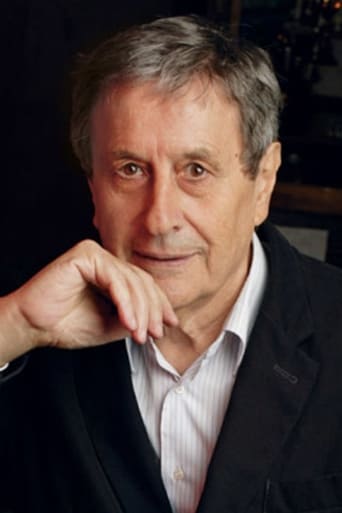
Zdravko Šotra
Born February 13, 1933 · Stolac, Bosnia and Herzegovina (age 93)
Zdravko Šotra (Serbian Cyrillic: Здравко Шотра; born 13 February 1933 in Stolac, Littoral Banovina, Kingdom of Yugoslavia) is a Herzegovinian Serb film and television director and screenwriter.
Known For
 The Robbery of the Third Reich · 2004
The Robbery of the Third Reich
★ 5.82004
MovieCrimeComedy
During 1941 in Belgrade, two well-known thieves try to carry out the biggest robbery of Nazi authorities ever.
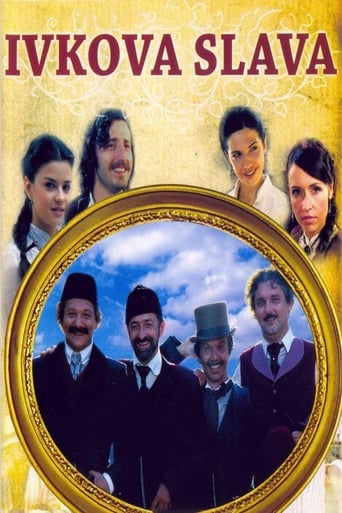 Ivko's Feast · 2005
Ivko's Feast
★ 5.72005
MovieComedy
The story takes place in Nis, towards the end of the nineteenth century, during the calm down of the stormy historic events which led to final liberation of southern Serbian parts from Turkish occupation. The comedy is about celebrating traditional saint's day feast, organized by Ivko and how his guests test the Serbian hospitality.
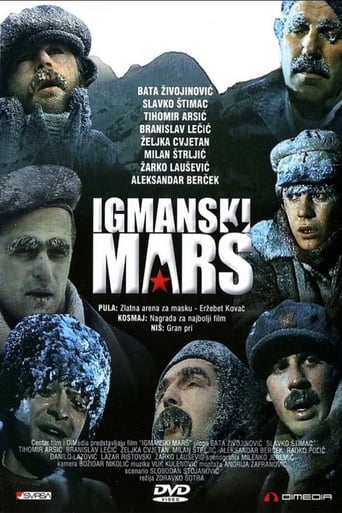 The Igman March · 1983
The Igman March
★ 5.91983
MovieDramaWar
The story of a forced march of the first proletarian shock brigade during World War II.
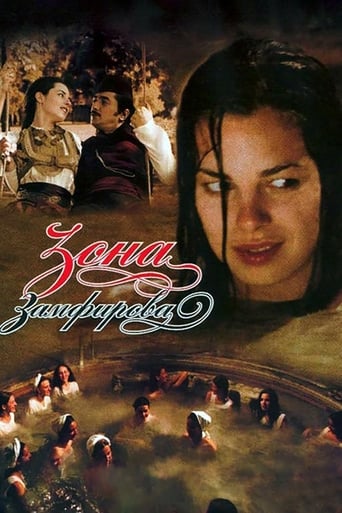 Zamfir's Zona · 2002
Zamfir's Zona
★ 6.12002
MovieDrama
Zona Zamfirova is set in the eastern Serbian city of Niš in the 19th century. The plot follows the story of Zona Zamfirova, a local rich man's daughter, and the vicissitudes of her affair with Mane, an ordinary goldsmith. As it was undesirable for the daughter of a rich man to marry a craftsman, the two are at first divided, with the possibility of Zona marrying Manulać, who came from a wealthy family. Everything is, however, changed as Mane organizes a successful conspiracy to keep Zona for himself.
 The Crush and the Dislike · 1996
The Crush and the Dislike
1996
MovieTV MovieComedy
A young girl solves her love problems through skillful manipulation. Based on the play of the same name by Jovan Sterija Popović.
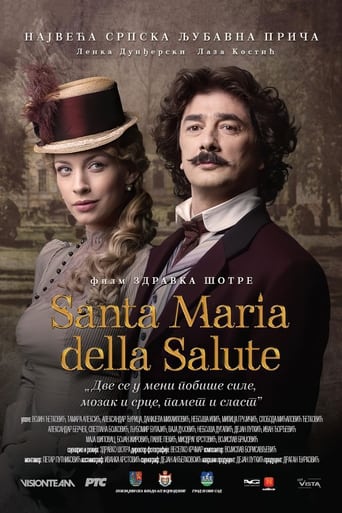 Santa Maria della Salute · 2016
Santa Maria della Salute
★ 10.02016
MovieDramaRomance
The film narrates a tormented love story between one of the most famous poets of Serbian literature, Laza Kostic, renowned for his sublime poetic puns and word coining and an enchanting young girl by the name of Lenka Dundjerski, an educated and refined daughter of a landowner Lazar Dundjerski. Standing in the way of their love is the insurmountable age gap between the two, as Kostic is 29 years older than his beloved one. The affair inspired one of the most sophisticated and tender love poems of the time, an utmost expression of yearning, in which the poet's unflinching devotion is linked to his admiration for a Venice basilisk by the name of Santa Maria della Salute.
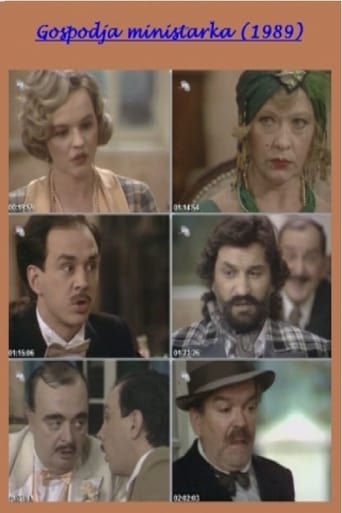 The Cabinet Minister's Wife · 1989
The Cabinet Minister's Wife
★ 6.51989
MovieRomanceComedy
Becoming a wife of a minister, Zivka changes her former way of life and becomes a lady. However, her fashionable way of life is of short duration, since her husband is forced to resign after a being involved in a scandal. Based on a highly popular Serbian comedy novel by Branislav Nusic.
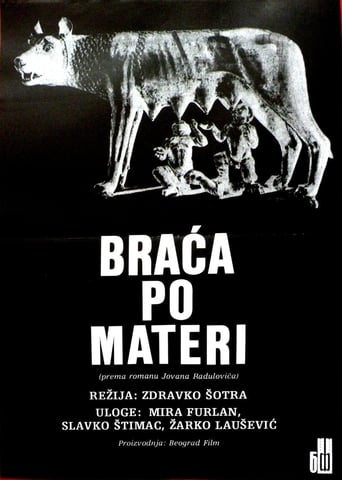 Maternal Half-Brothers · 1988
Maternal Half-Brothers
★ 6.41988
MovieDrama
This story about two maternal half-brothers, a Croat and a Serb. Although they never met, and both lose their loved ones in ethnic clashes, there is a bond between them. Filmed in 1988, it prophetically forsees the war that would engulf former Yugoslavia three years later.
Filmography
Sort