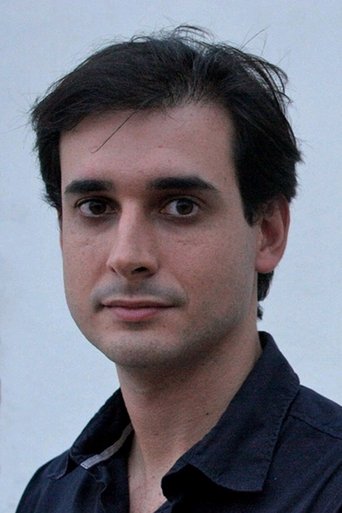
Directing
Renato Terra
No biography available.
Known For
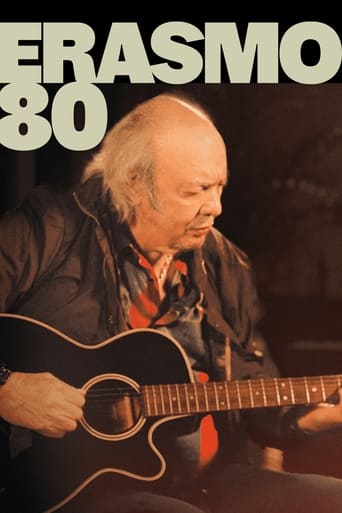 Erasmo 80 · 2021
Erasmo 80
2021
MovieDocumentaryMusic
The 80th birthday of Erasmo Carlos, pioneer of Brazilian rock, in never-before-seen images: the Tijuca gang, Jovem Guarda, international success, Roberto Carlos and his influence on behavior.
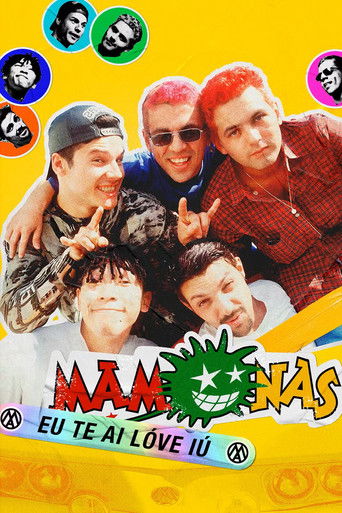 Mamonas: Eu Te Ai Lóve Iú · 2026
Mamonas: Eu Te Ai Lóve Iú
★ 8.62026
MovieDocumentary
The documentary retraces the band's meteoric rise, as they became the biggest phenomenon in Brazilian music in 1995 — and one of the most remarkable in the country's history.
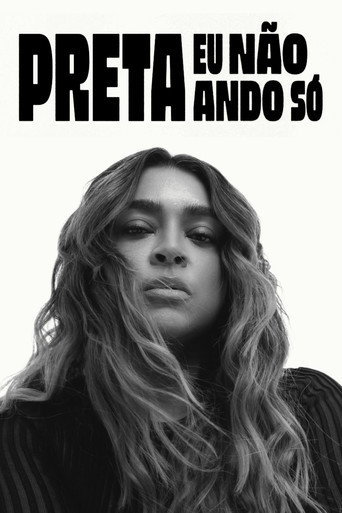 Preta - Eu Não Ando Só · 2026
Preta - Eu Não Ando Só
★ 9.62026
MovieDocumentary
An intimate portrait of Preta Gil, crafted from never-before-seen footage and moving testimonials that reveal her strength in the face of life and illness.
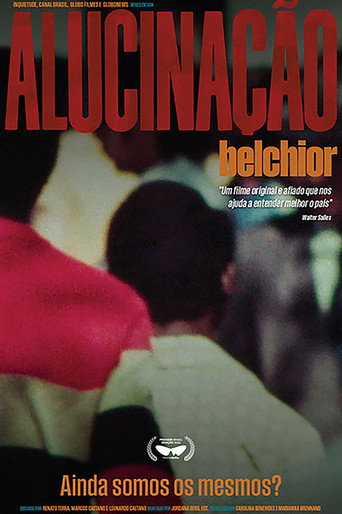
Nov 26, 2026
Delusion · 2026Delusion
2026
MovieDocumentary
The documentary takes Belchior’s famous 1976 album as a starting point to construct a chronicle of 1970s Brazil—a time defined by a generation that sought to change the world but was ultimately cut down by dictatorships or co-opted by money.
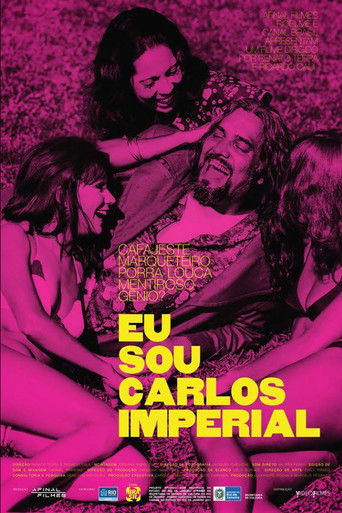 Eu Sou Carlos Imperial · 2015
Eu Sou Carlos Imperial
★ 7.52015
MovieDocumentary
The story of a legendary figure in Brazilian culture, the multifaceted Carlos Imperial. He was a convinced womanizer and cafajeste, he was a director and actor, created TV shows, composed songs like “Vem Quente que Eu Estou Fervendo” and “Mamãe Passou Açúcar em Mim”. In addition, he is responsible for launching big names in Brazilian music, such as Roberto Carlos, Elis Regina and Tim Maia.
 Fla x Flu - 40 Minutos Antes do Nada · 2013
Fla x Flu - 40 Minutos Antes do Nada
★ 7.02013
MovieDocumentary
The history of Rio de Janeiro's biggest football rivalry: Flamengo vs Fluminense.
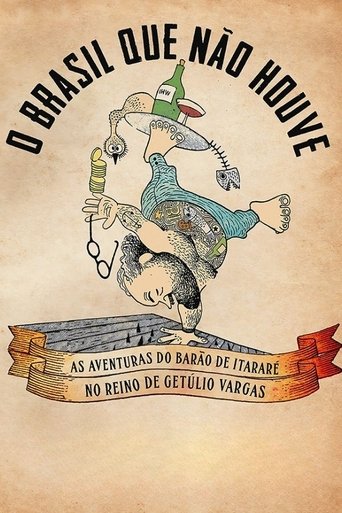 O Brasil Que Não Houve - As Aventuras do Barão de Itararé no Reino de Getúlio Vargas · 2025
O Brasil Que Não Houve - As Aventuras do Barão de Itararé no Reino de Getúlio Vargas
2025
MovieDocumentary
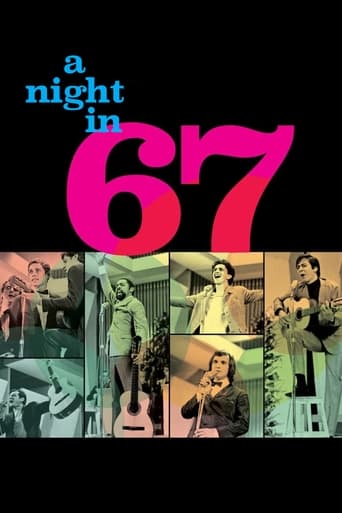 A Night in 67 · 2010
A Night in 67
★ 7.02010
MovieDocumentaryMusic
In the 1970s, "festivals" were incredibly popular in Brazil, as they were recorded before a live studio audience, and usually featured a number of elimination rounds. They also formed the springboard for the career of many a big-name stars, such as Chico Buarque, Caetano Veloso, Roberto Carlos and Gilberto Gil. Appearing on such a program was no cakewalk, however: audiences could be as wild in their condemnation as in their appreciation of an artist. Extensive archive footage (including performances and behind-the-scenes interviews) from the turbulent final evening of the Festival of Brazilian Popular Music 1967 paints a fascinating picture, not only of the transformation of Brazilian music into real "festival" music, but also of a society starting to buck against the yoke of military rule.
Filmography
Sort