Acting
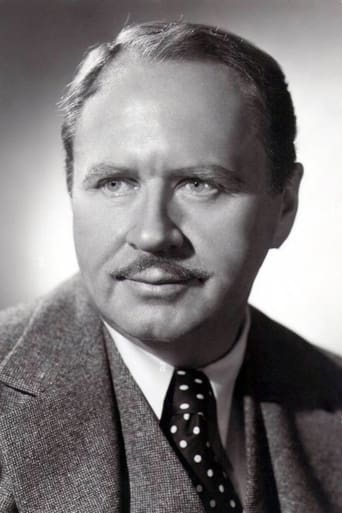
Howard Freeman
Born December 9, 1899 · Helena, Montana, USA
Died December 11, 1967 · aged 68
From Wikipedia, the free encyclopedia Howard Freeman (December 9, 1899 – December 11, 1967) was an American stage actor of the early 20th century, and film and television actor of the 1940s through the 1960s. Freeman was born in Helena, Montana, and began working as a stage actor in his 20s. He entered the film industry in 1942, when he played a small uncredited role in Inflation. Despite his la…
Known For
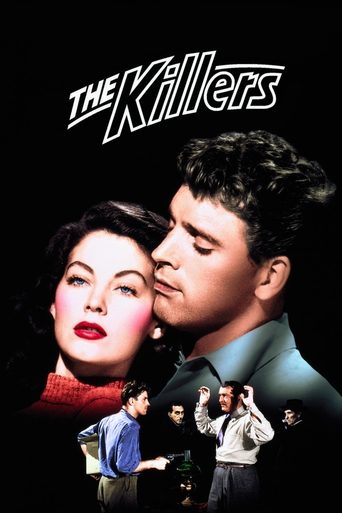 The Killers · 1946
The Killers
★ 7.41946
MovieCrimeMystery
Two hit men walk into a diner asking for a man called "the Swede". When the killers find the Swede, he's expecting them and doesn't put up a fight. Since the Swede had a life insurance policy, an investigator, on a hunch, decides to look into the murder. As the Swede's past is laid bare, it comes to light that he was in love with a beautiful woman who may have lured him into pulling off a bank robbery overseen by another man.
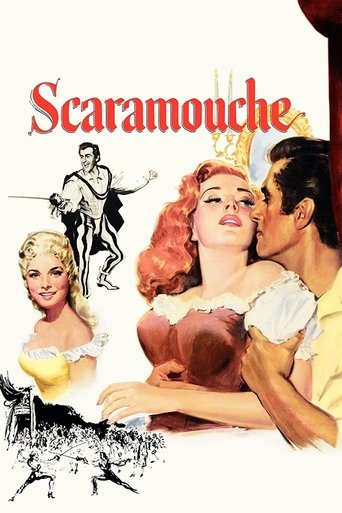 Scaramouche · 1952
Scaramouche
★ 7.01952
MovieAdventureRomance
In 18th-century France, a young man masquerades as an actor to avenge his friend's murder.
 Cry of the City · 1948
Cry of the City
★ 6.71948
MovieCrimeDrama
Petty crook and cop-killer Martin Rome, in bad shape from wounds in the hospital prison ward, still refuses to help slimy lawyer Niles clear his client by confessing to another crime. Police Lt. Candella must check Niles' allegation; a friend of the Rome family, he walks a tightrope between sentiment and cynicism. When Martin fears Candella will implicate his girlfriend Teena, he'll do anything to protect her. How many others will he drag down to disaster with him?
 The Blue Dahlia · 1946
The Blue Dahlia
★ 6.71946
MovieCrimeMystery
Soon after a veteran returns from war, his cheating wife is found dead. He evades police in an attempt to find the real murderer.
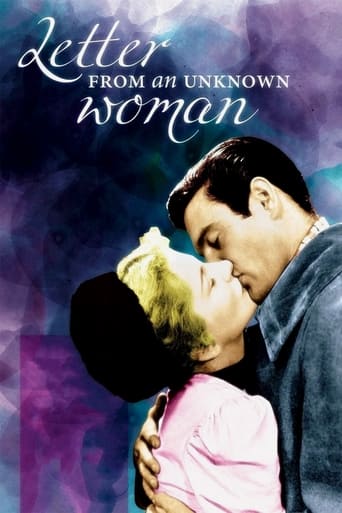 Letter from an Unknown Woman · 1948
Letter from an Unknown Woman
★ 7.81948
MovieDramaRomance
A pianist about to flee from a duel receives a letter from a woman he cannot remember. As she tells the story of her lifelong love for him, he is forced to reinterpret his own past.
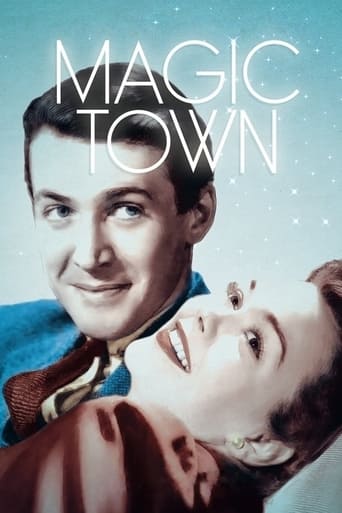 Magic Town · 1947
Magic Town
★ 6.71947
MovieComedyRomance
Rip Smith's opinion-poll business is a failure...until he discovers that the small town of Grandview is statistically identical to the entire country. He and his assistants go there to run polls cheaply and easily, in total secrecy (it would be fatal to let the townsfolk get self-conscious). And of course, civic crusader Mary Peterman must be kept from changing things too much. But romantic involvement with Mary complicates life for Rip; then suddenly everything changes.
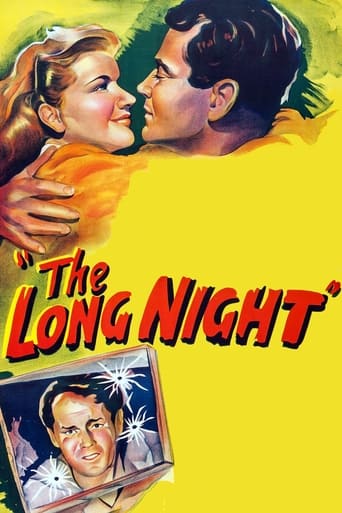 The Long Night · 1947
The Long Night
★ 5.81947
MovieDramaThriller
City police surround a building, attempting to capture a suspected murderer. The suspect knows there is no escape but refuses to give in.
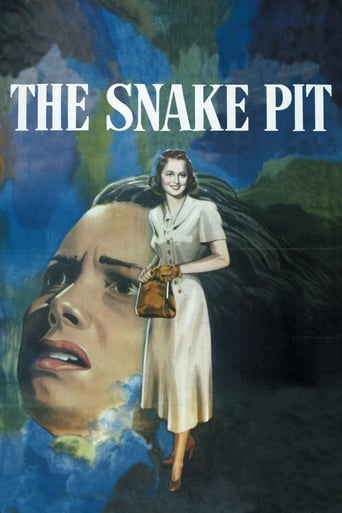 The Snake Pit · 1948
The Snake Pit
★ 7.11948
MovieDramaMystery
Virginia Cunningham is confused upon finding herself in a mental hospital, with no memory of her arrival at the institution. Tormented by delusions and unable to even recognize her husband, Robert, she is treated by Dr. Mark Kik, who is determined to get to the root of her mental illness. As her treatment progresses, flashbacks depict events in Virginia's life that may have contributed to her instability.
Filmography
Sort