Acting
Július Vašek
Born December 29, 1926 · Nove Zamky, Slovakia
Died May 1, 2009 · aged 82
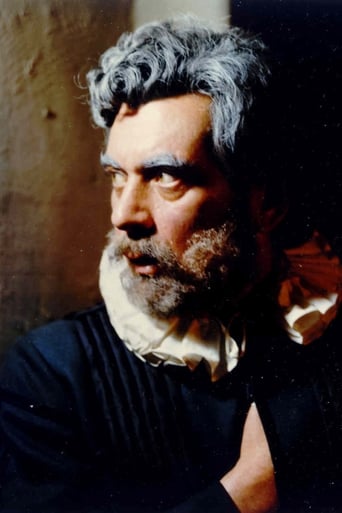
Július Vašek (* December 29, 1926, Nové Zámky - † May 1, 2009, Bratislava) was a Slovak actor. After finishing acting at the Bratislava Conservatory in 1954, he made his debut with the film Wooden Village, which was an adaptation of František Heček's novel. He has acted in more than fifty films. He mostly portrayed negative characters - nervous or emotional types of men in borderline situations, …
Known For
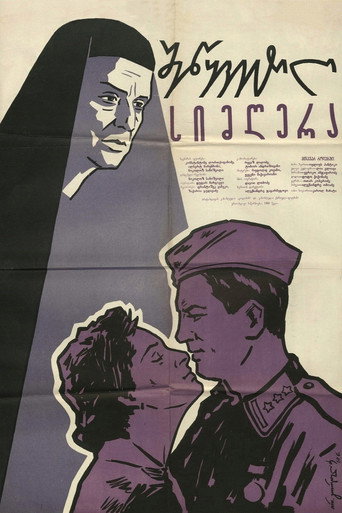 Interrupted Song · 1960
Interrupted Song
★ 5.11960
MovieWarRomance
Young couple separated by World War 2, dream of being reunited years later.
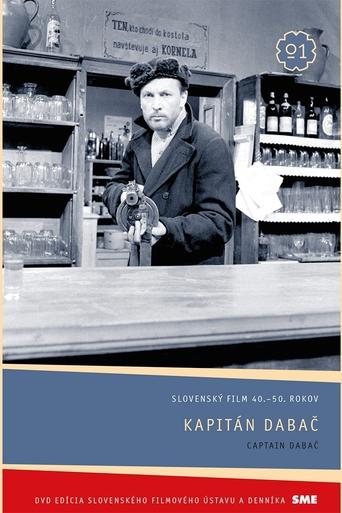 Kapitán Dabač · 1959
Kapitán Dabač
★ 5.71959
MovieDramaWar
The drama of a young Slovak army officer who gradually realises the horrors of fascism during the fighting in Ukraine. On his return to Slovakia, he joins the SNP. However, he cannot overcome his loner attitude or his doubts about the meaning of partisan activity.
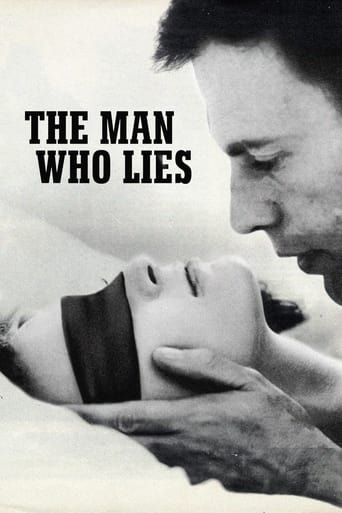 The Man Who Lies · 1968
The Man Who Lies
★ 6.61968
MovieMysteryDrama
A man may or may not have betrayed a resistance fighter during World War II. He has supposedly been shot down by the Nazis and wanders into town. Mourning the death of an unseen comrade, he is taken in by the family of the dead rebel. He engages in a superfluous affair and witnesses the lesbian relationship between the man's sister and a female servant. When passions subside, the family has doubts about the reliability of the man's story.
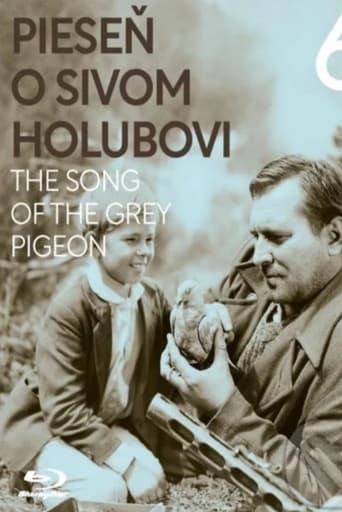 The Song of the Grey Pigeon · 1961
The Song of the Grey Pigeon
★ 6.71961
MovieDramaWar
An unusual children's film set during World War II in Czechoslovakia, this compelling drama unfolds five different segments that present the war through the eyes of three youngsters. The three have a series of adventures which include saving a soldier from being captured by the Germans, helping out the resistance fighters, and meeting up with a young Russian woman trained in guerrilla warfare. As they learn more about life and danger, various circumstances constantly recall the reality of war itself. The title comes from a wounded pigeon under the care of one of the youngsters.
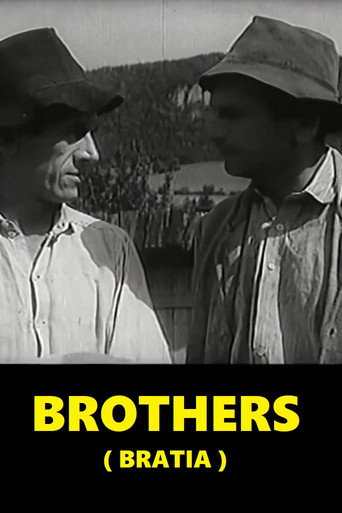 Brothers · 1962
Brothers
★ 9.01962
MovieDrama
A bricklayer, Jozef Haviar, decides to live with his family on the small farm of his father through the difficult years of the economic crisis. But on his return to his father's house he gets into a conflict with his brother. The life-and-death conflict between the two brothers documents the difficult situation of Slovak country life in the 1930s, the time of economic depression.
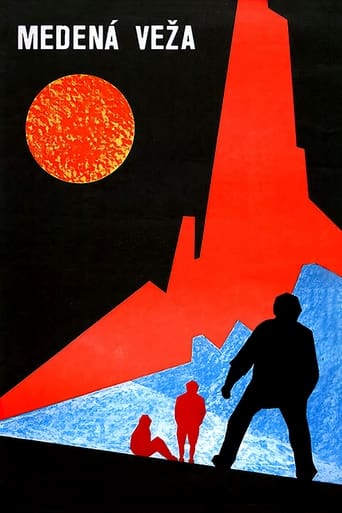 The Copper Tower · 1970
The Copper Tower
★ 6.21970
MovieDrama
A dramatic story of three friends happily spending time on their own in a mountain cottage in the High Tatras. On the arrival of the wife of one of them their perfect friendship is put to a test.
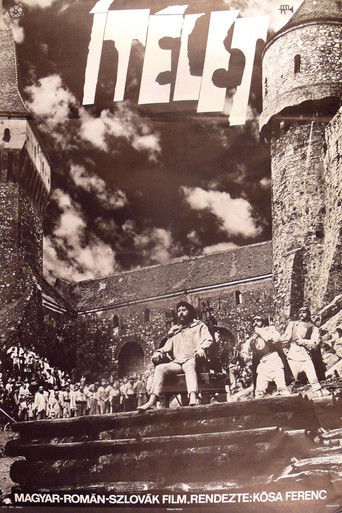 Judgement · 1970
Judgement
★ 5.21970
MovieHistoryDrama
The film is a historic parable about the topicality of revolution. 1514. The peasants' uprising is over, Dózsa has been arrested. Werbőczy tries to get the imprisoned peasant leader deny the revolution and offers him the lives of his people in exchange.
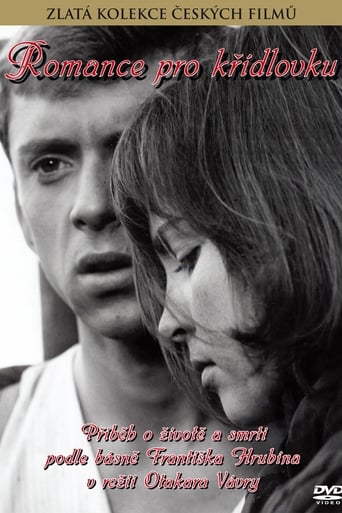 Romance for Bugle · 1967
Romance for Bugle
★ 5.41967
MovieDramaRomance
A lyrical story about first love, death and disappointment, based on a poem of the same title.
Filmography
Sort